Bedouins of Petra
البدو في البتراء
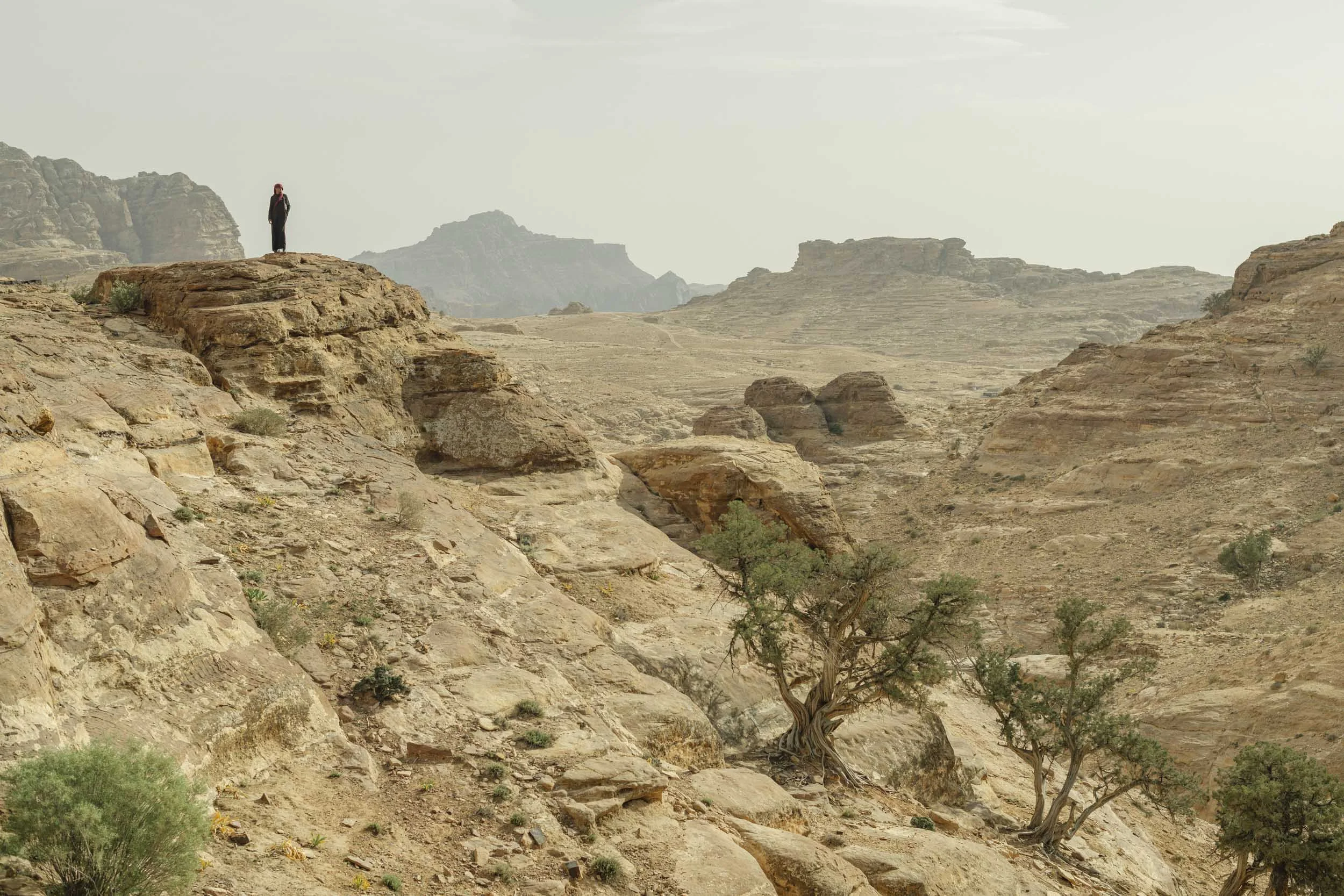
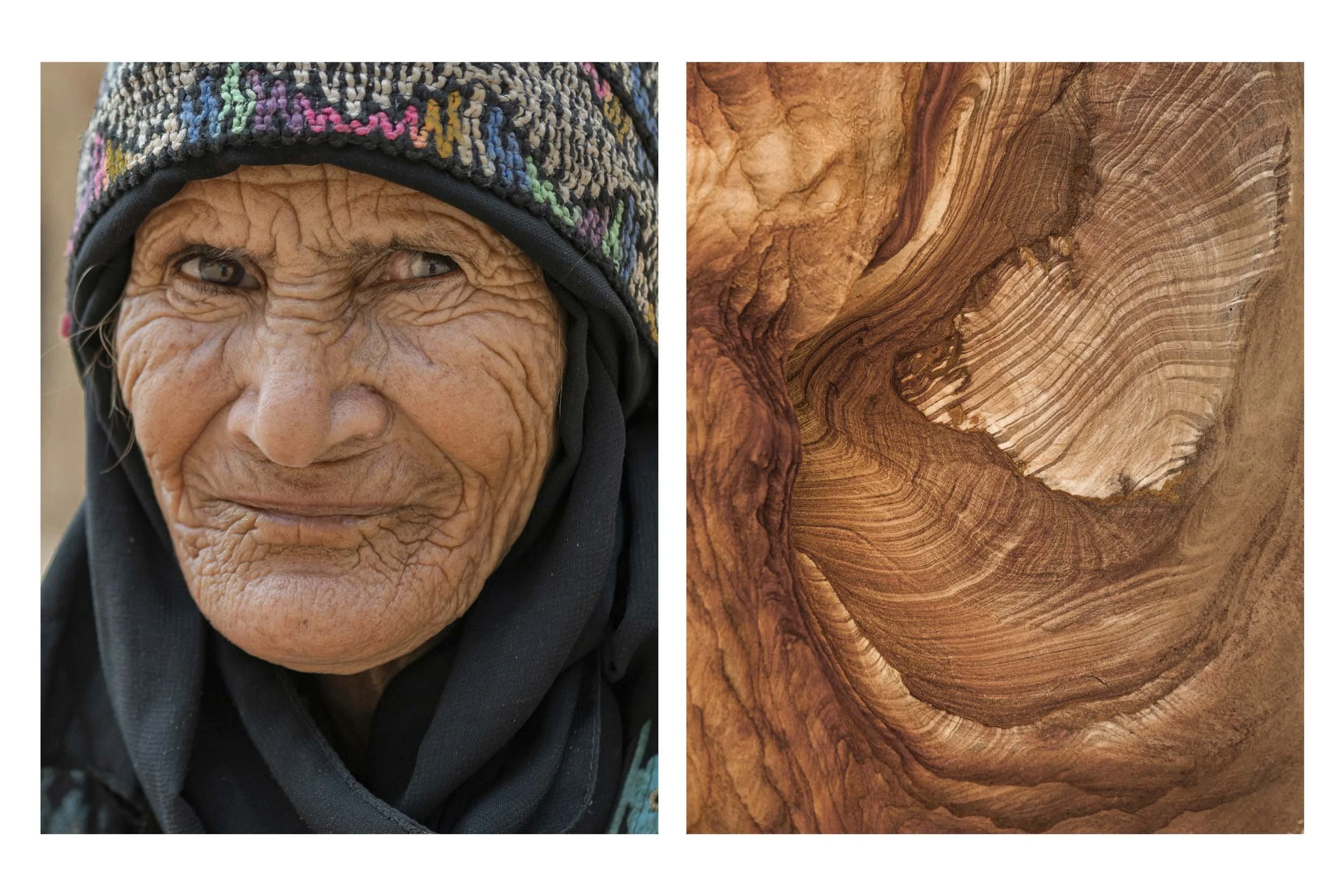
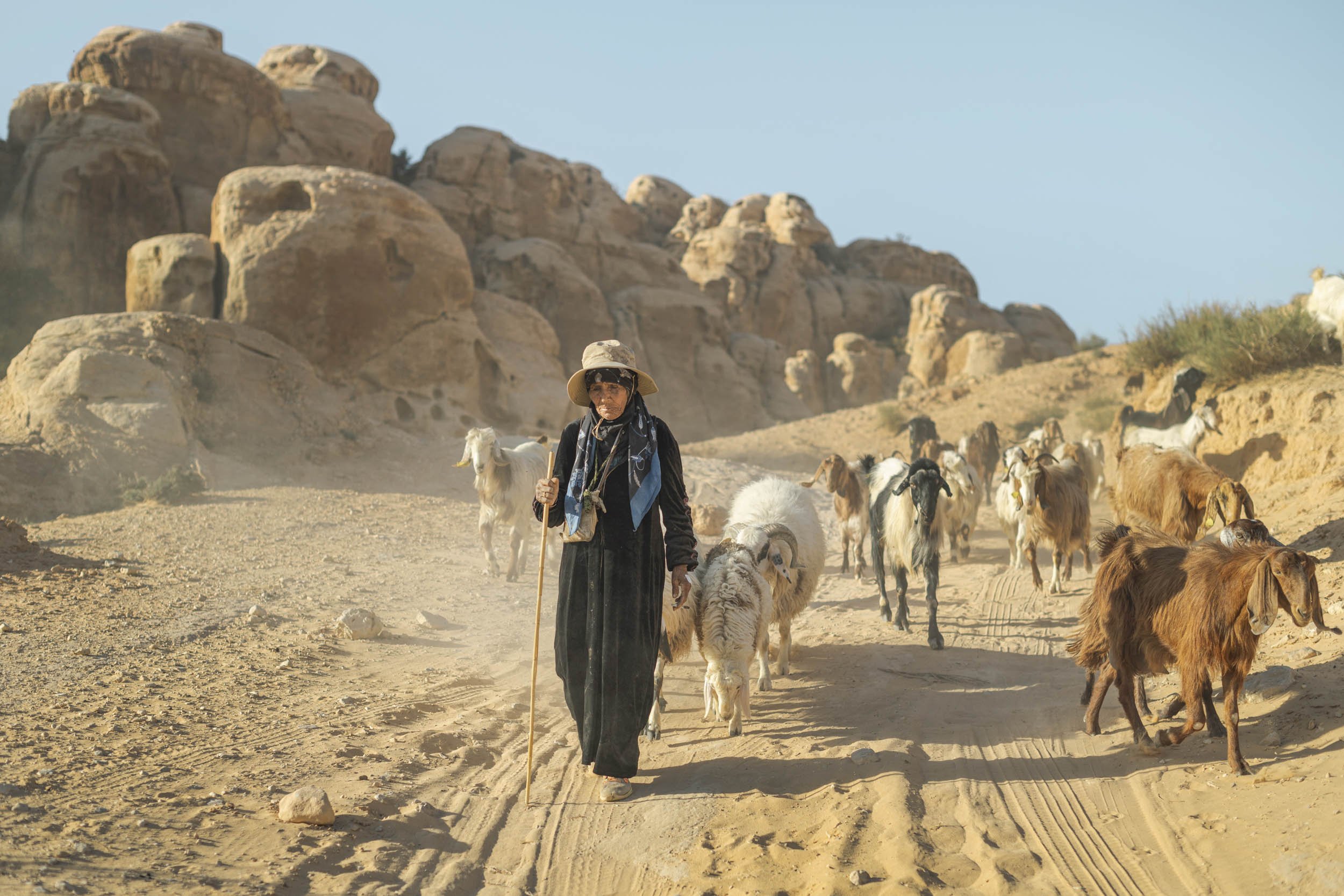
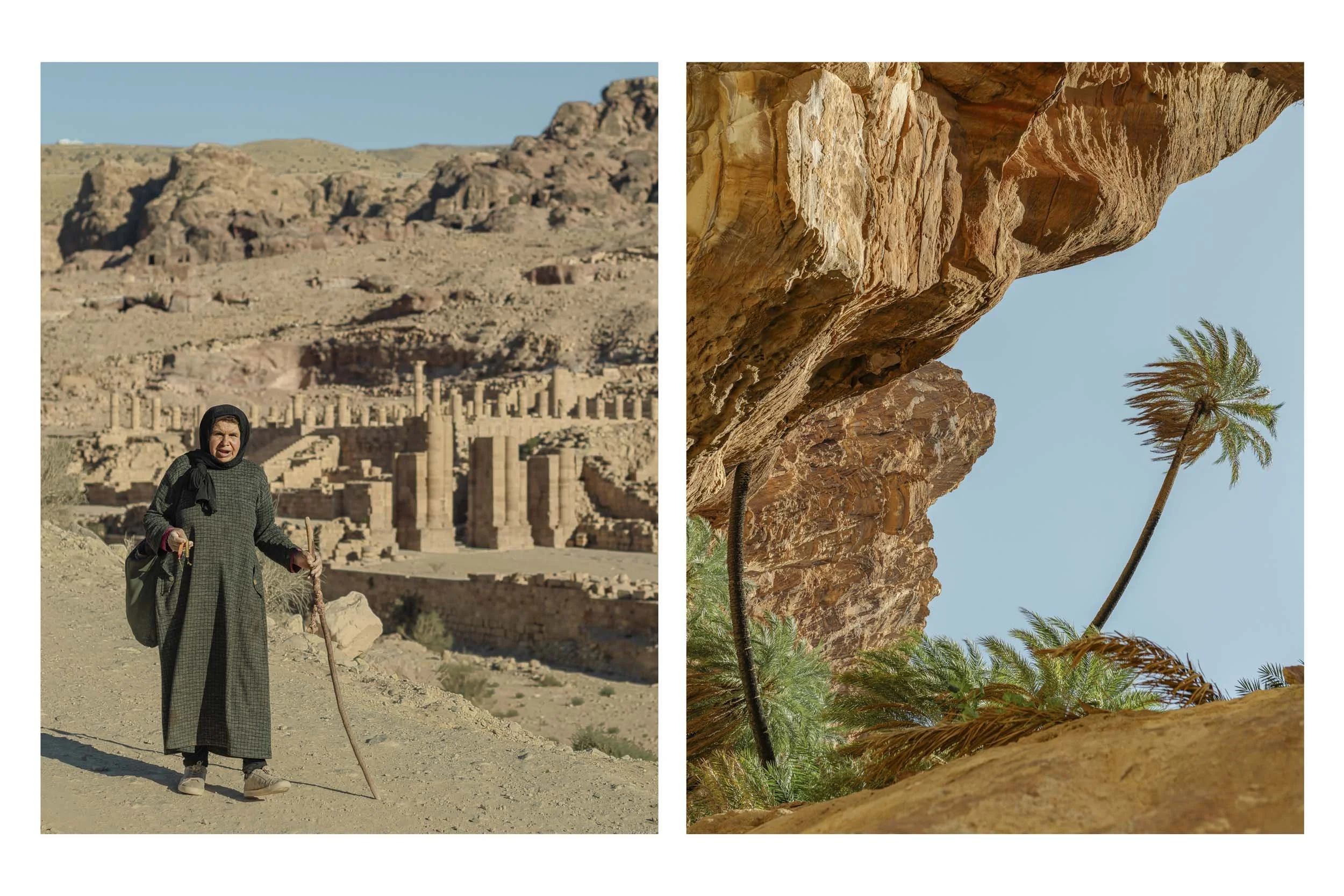
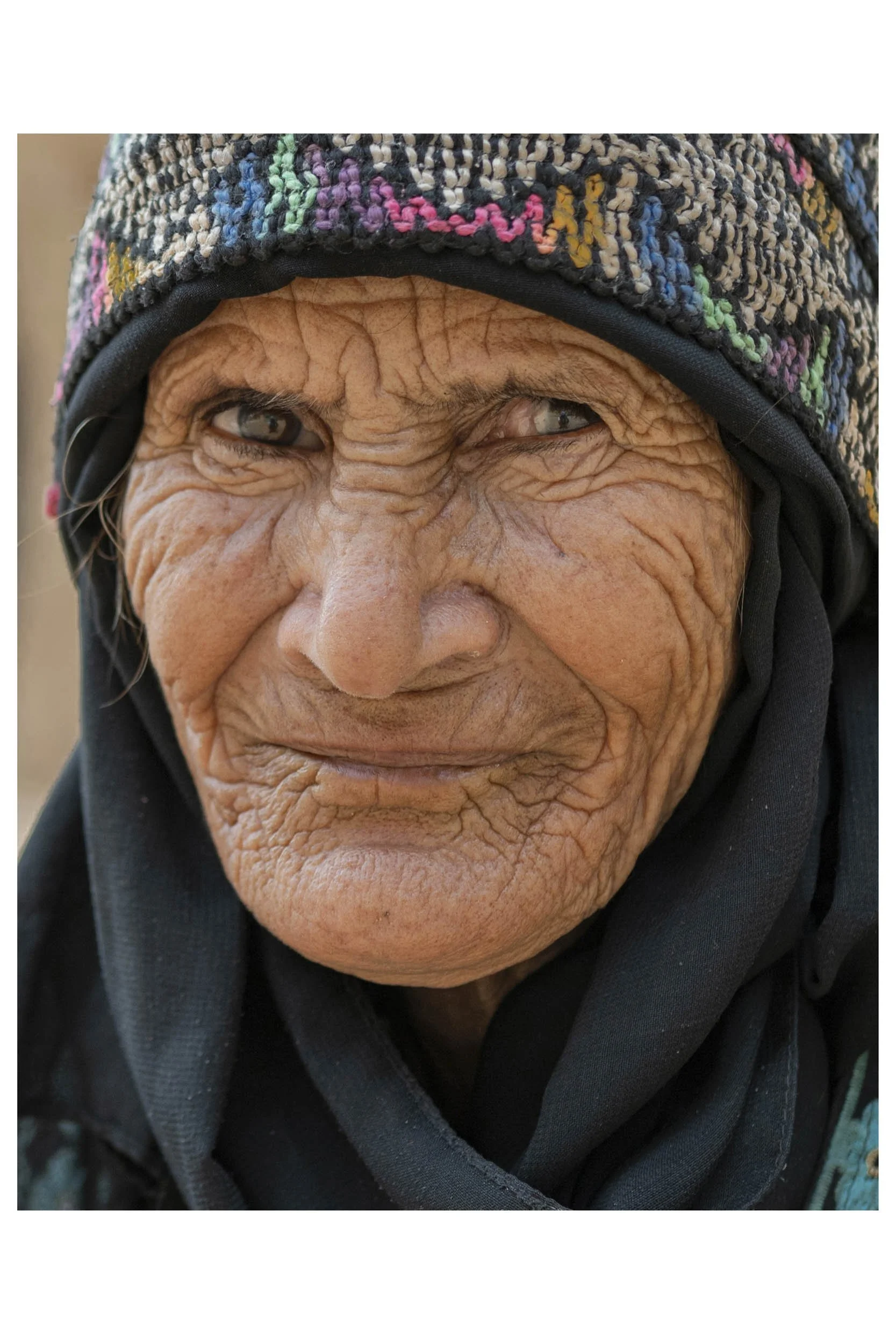
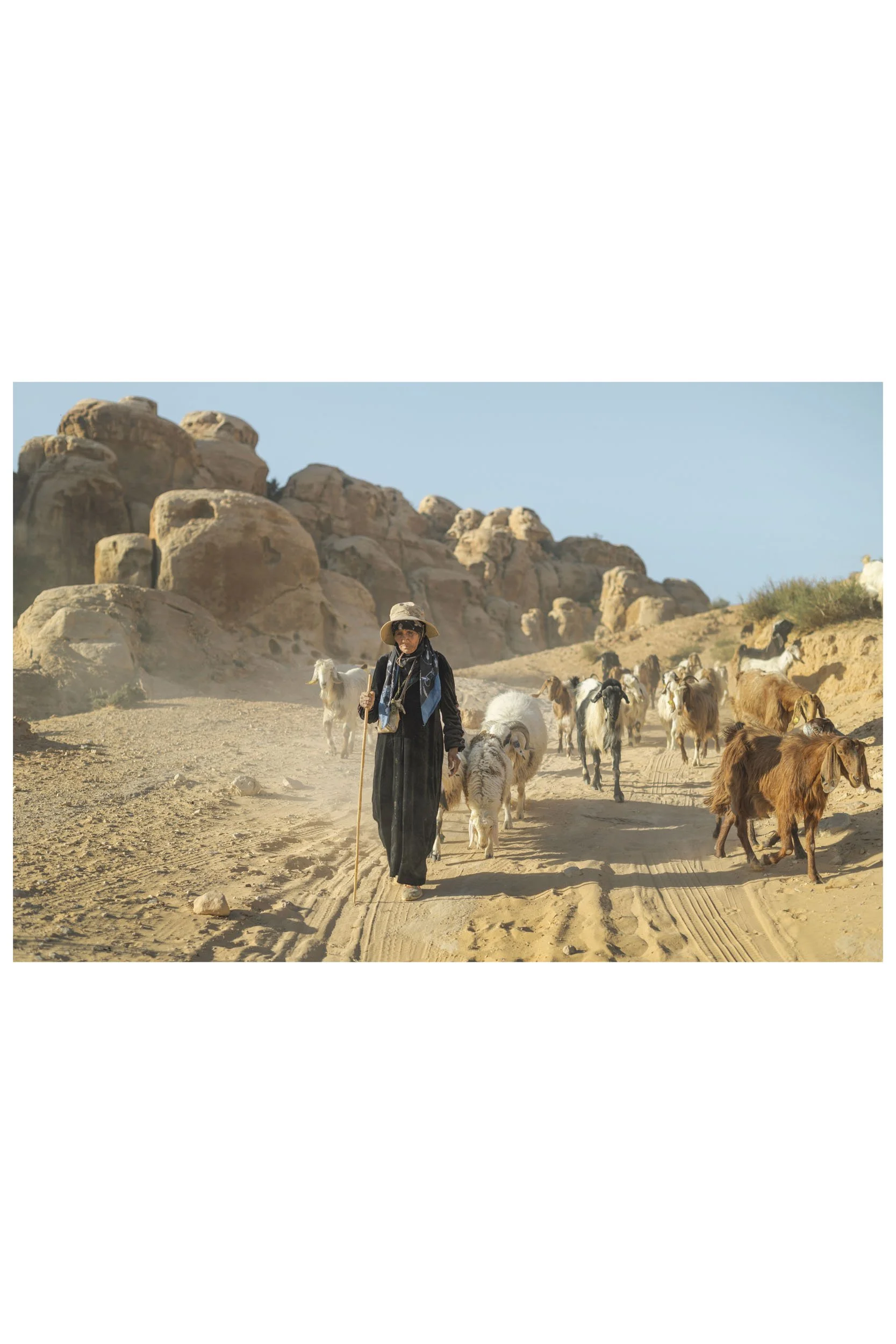
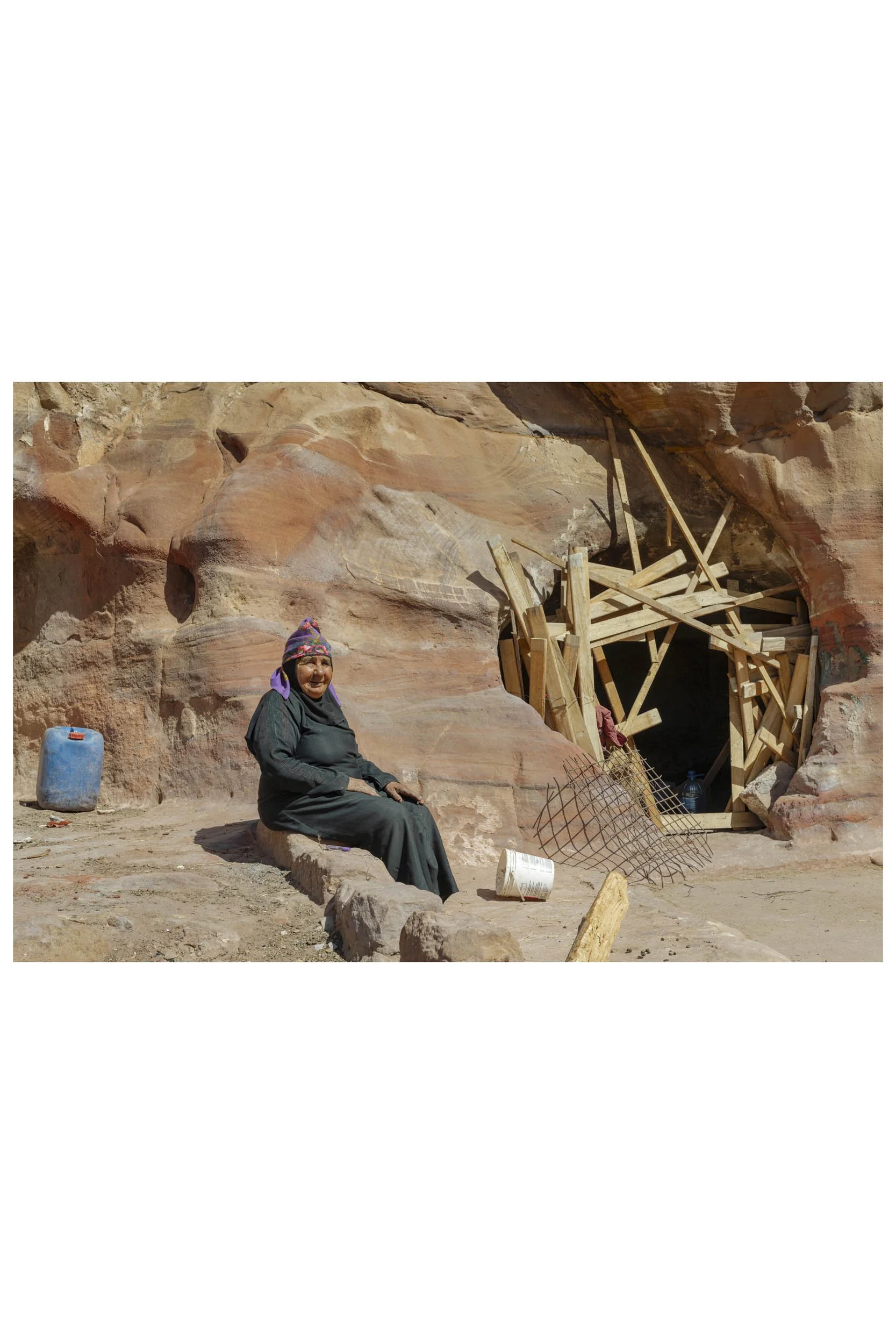
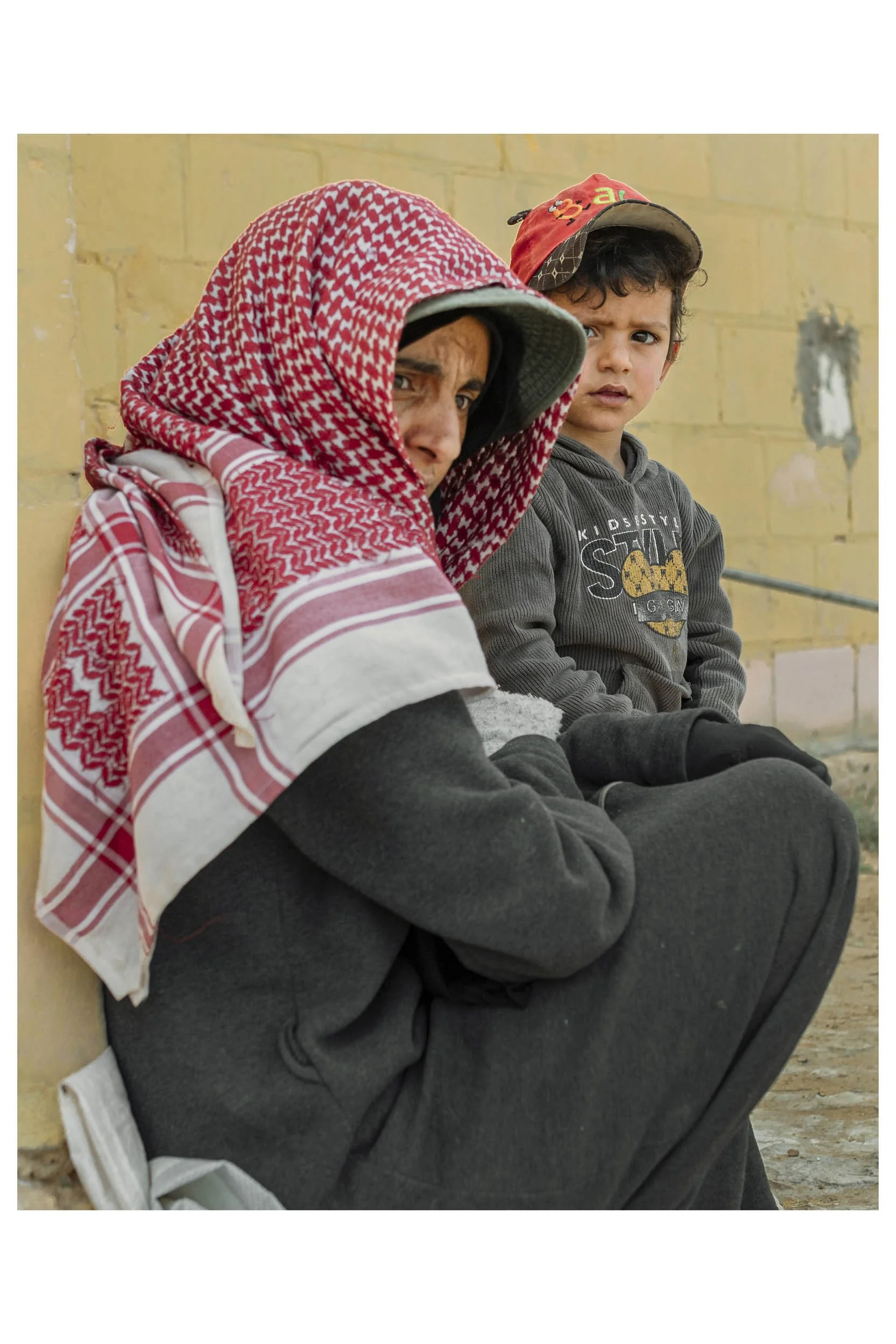
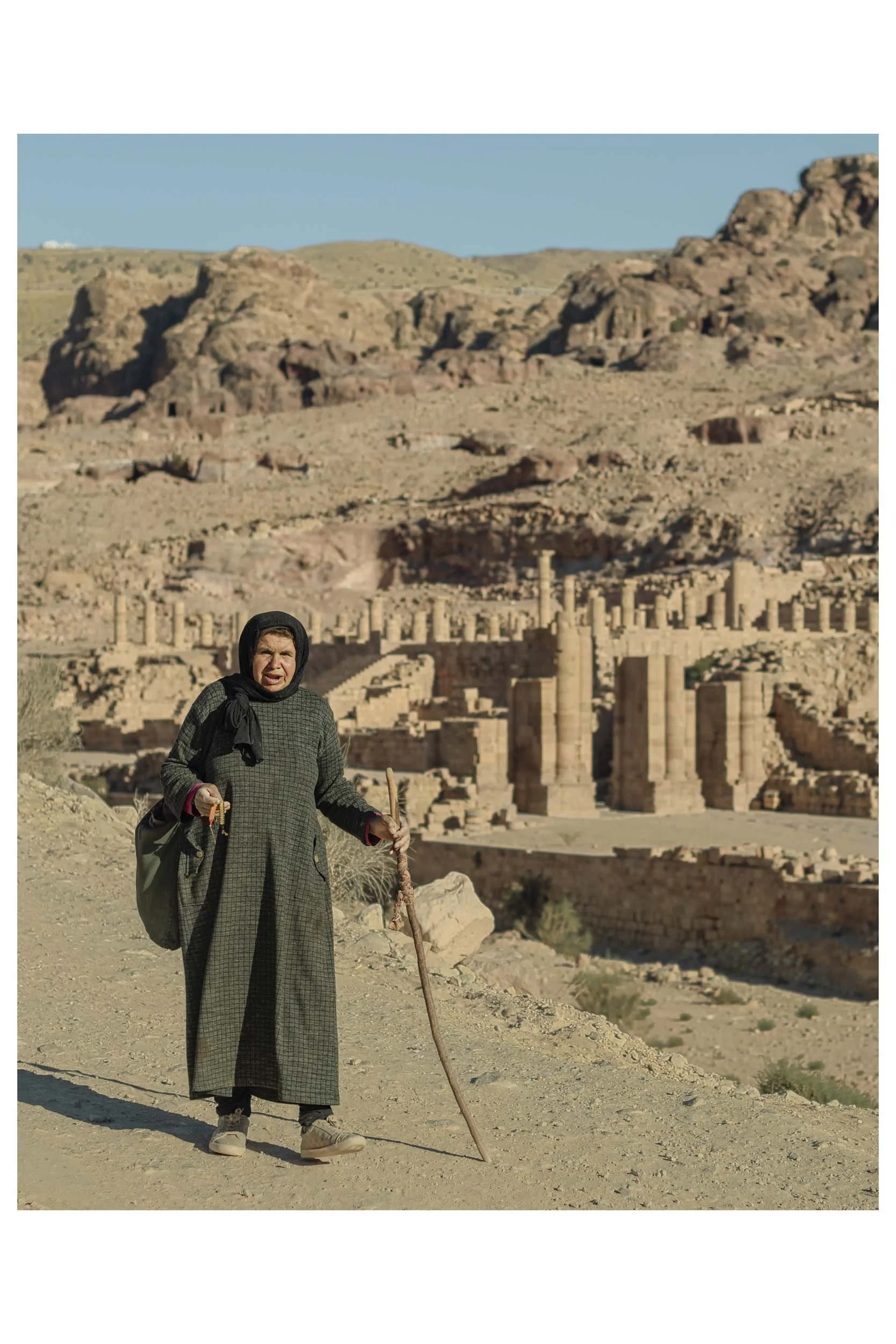
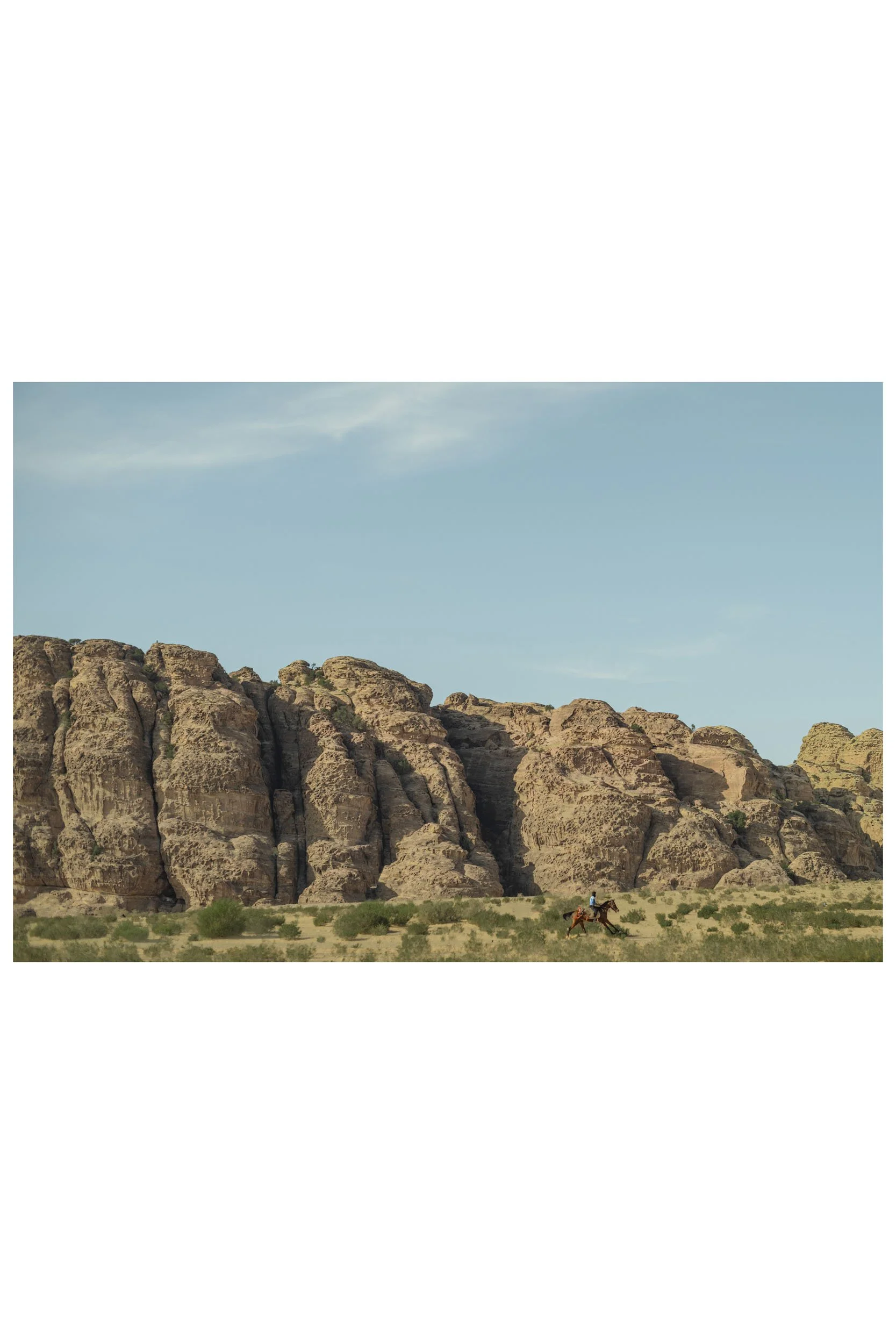
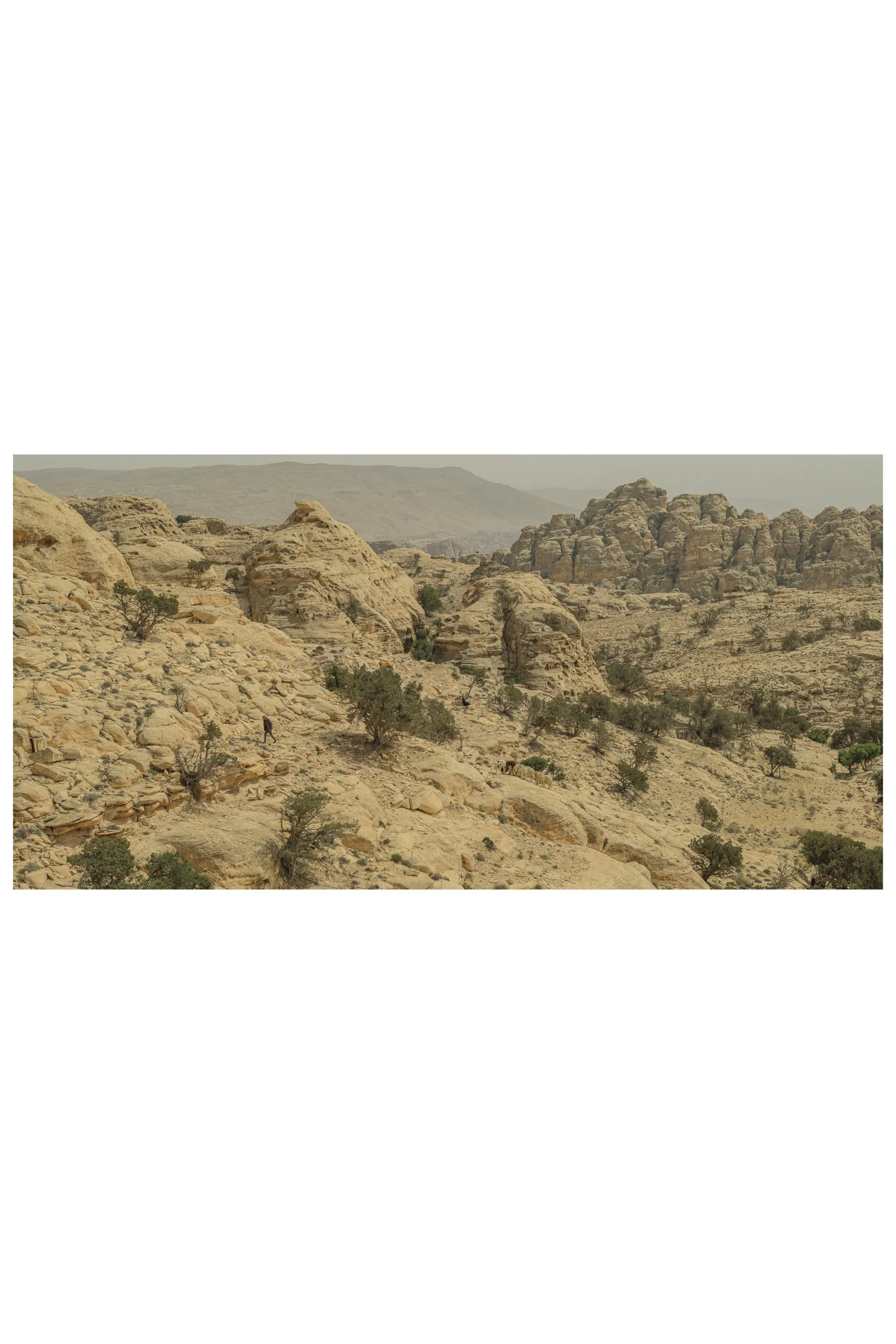
I met Noura in the hills near Petra, Jordan.
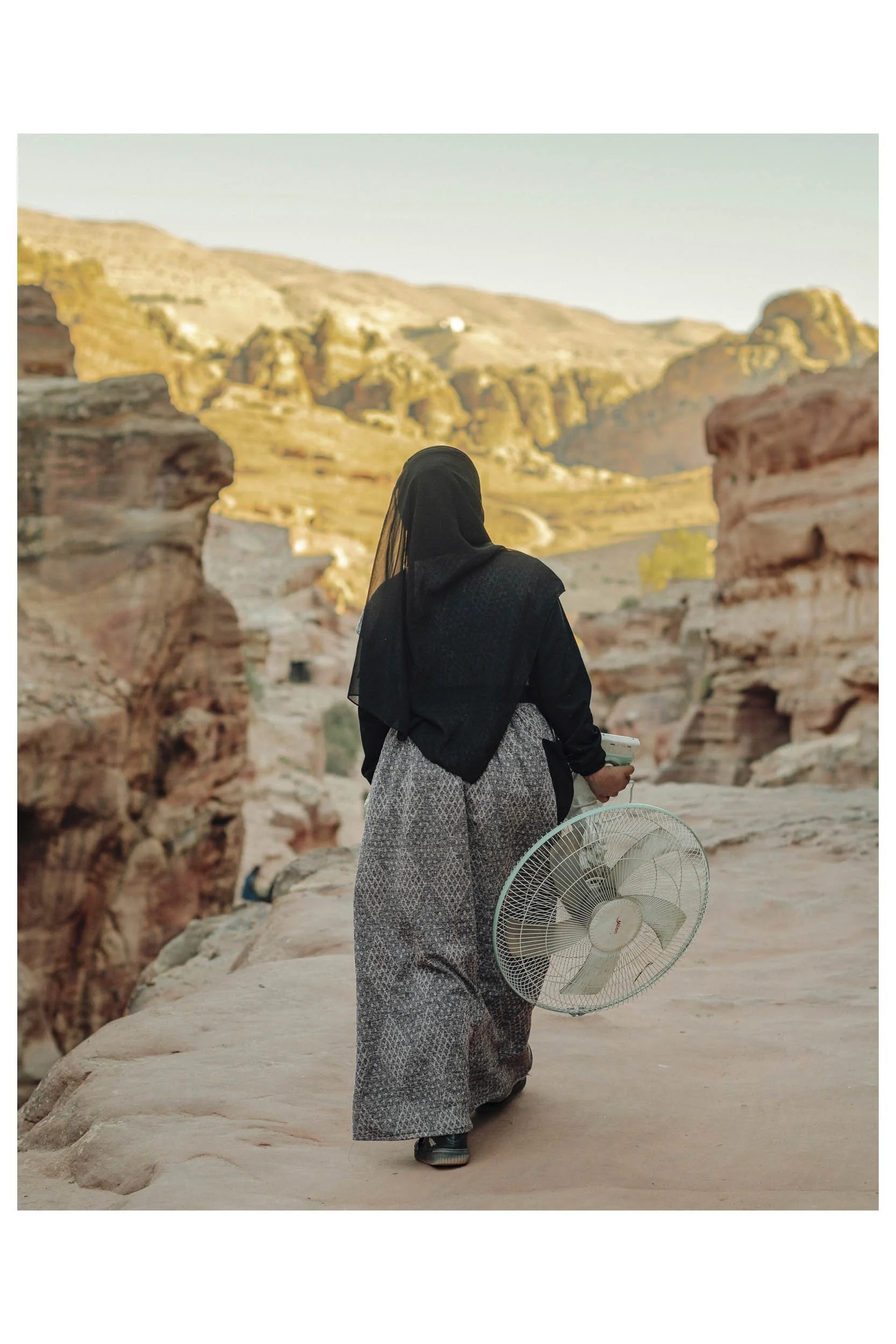
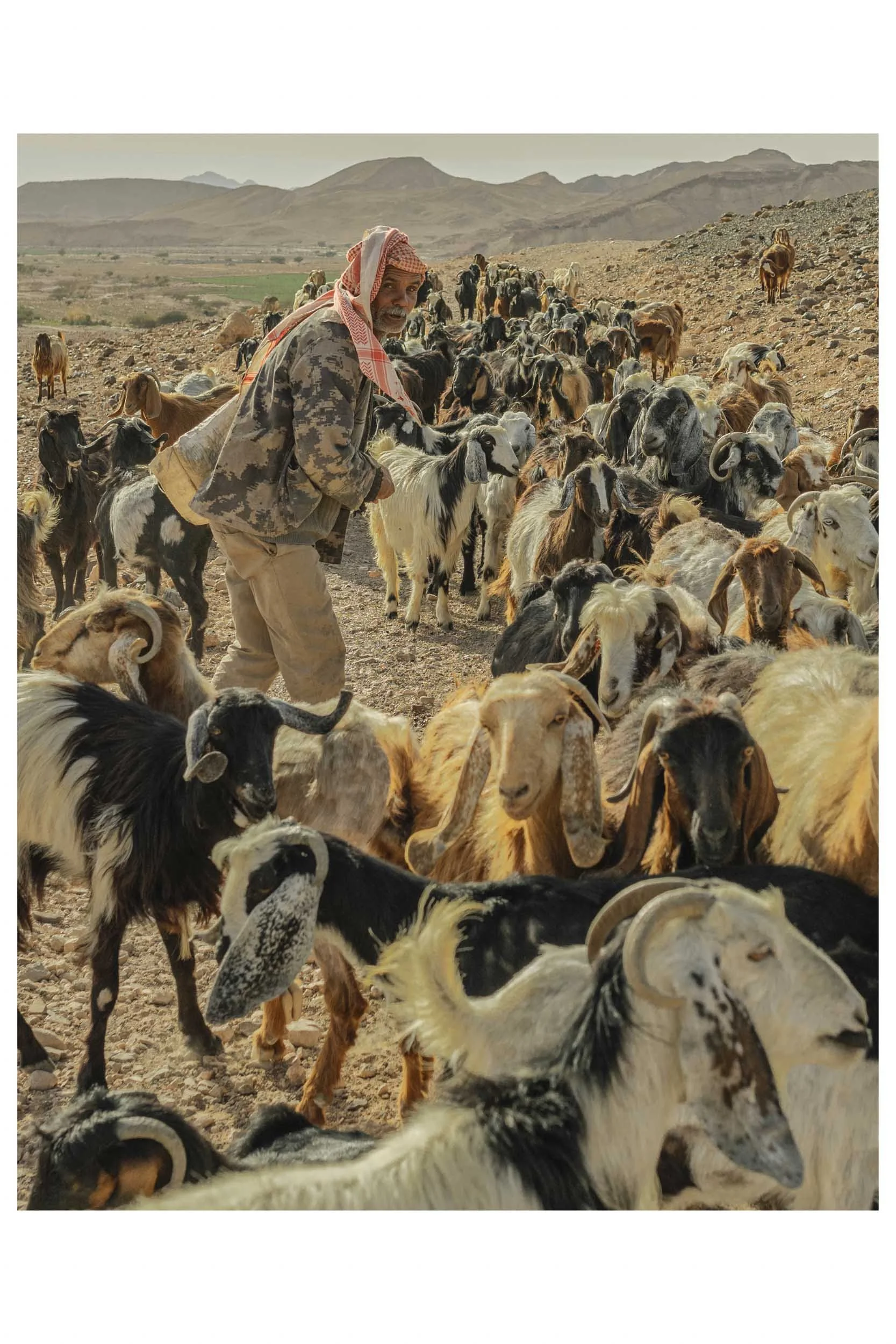
She was 85 years old, dressed in black robes that brushed the earth and a sun-faded hat that shaded her deeply lined face.
She didn’t speak English.
I didn’t speak Arabic.
But somehow, we found a rhythm.
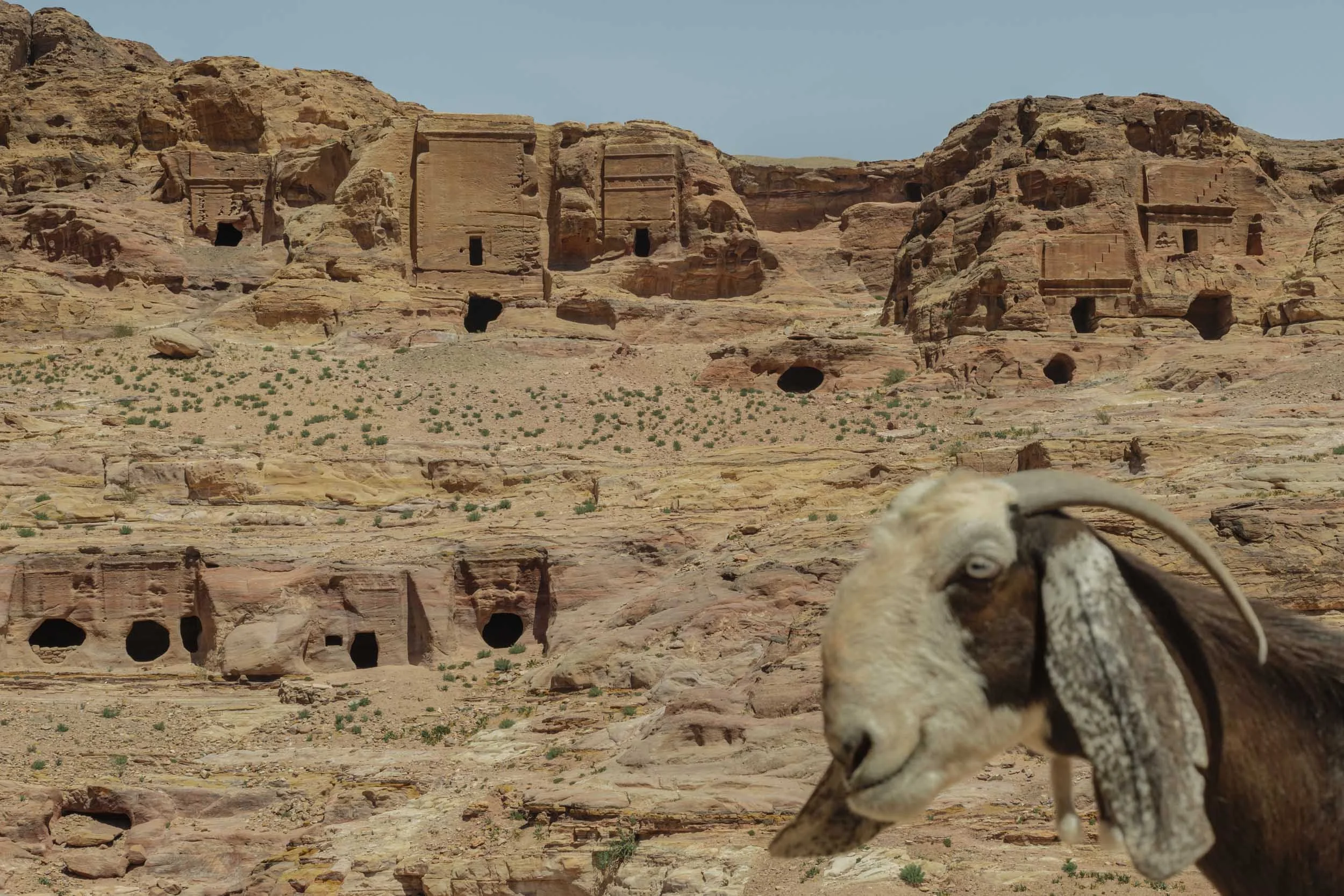
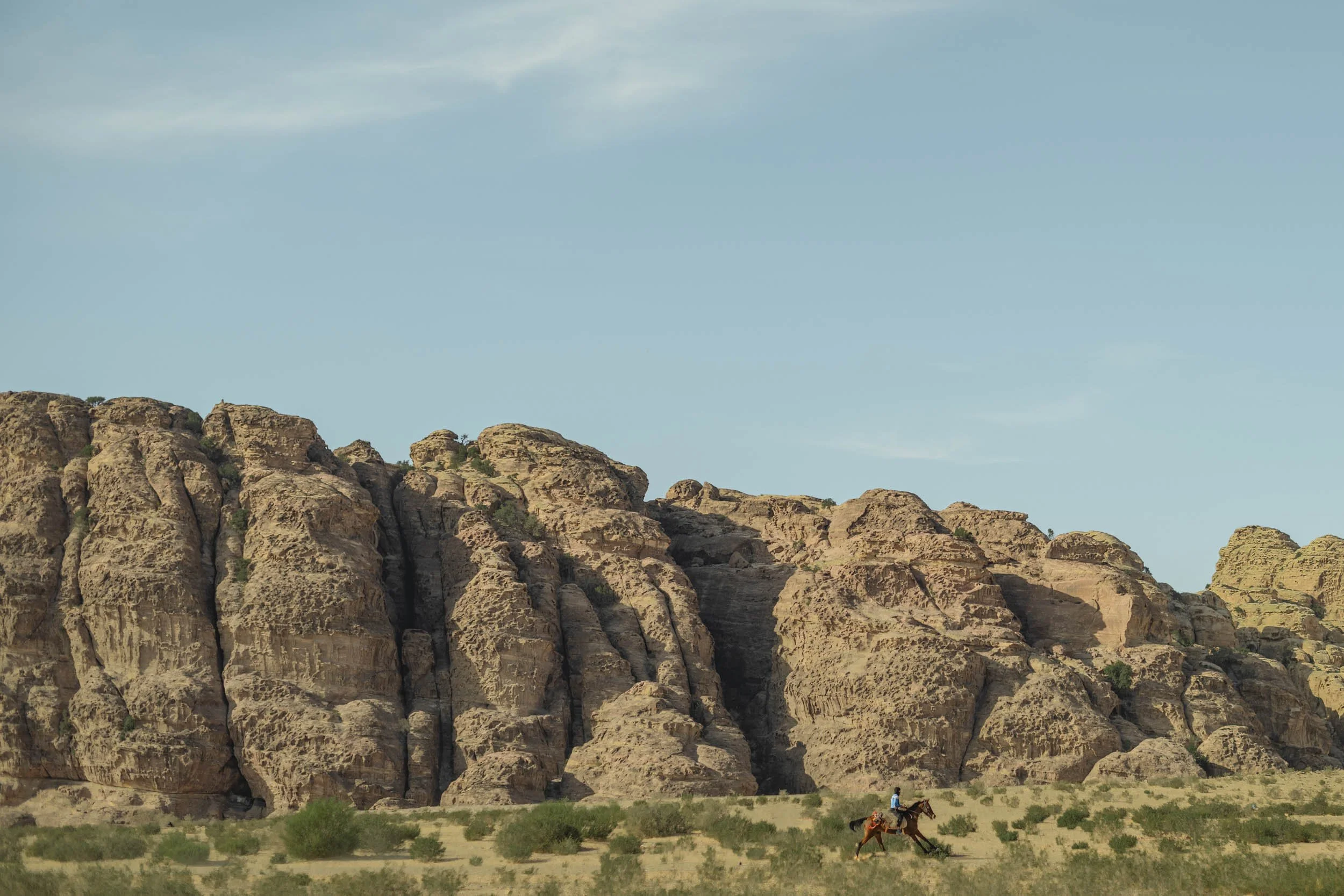
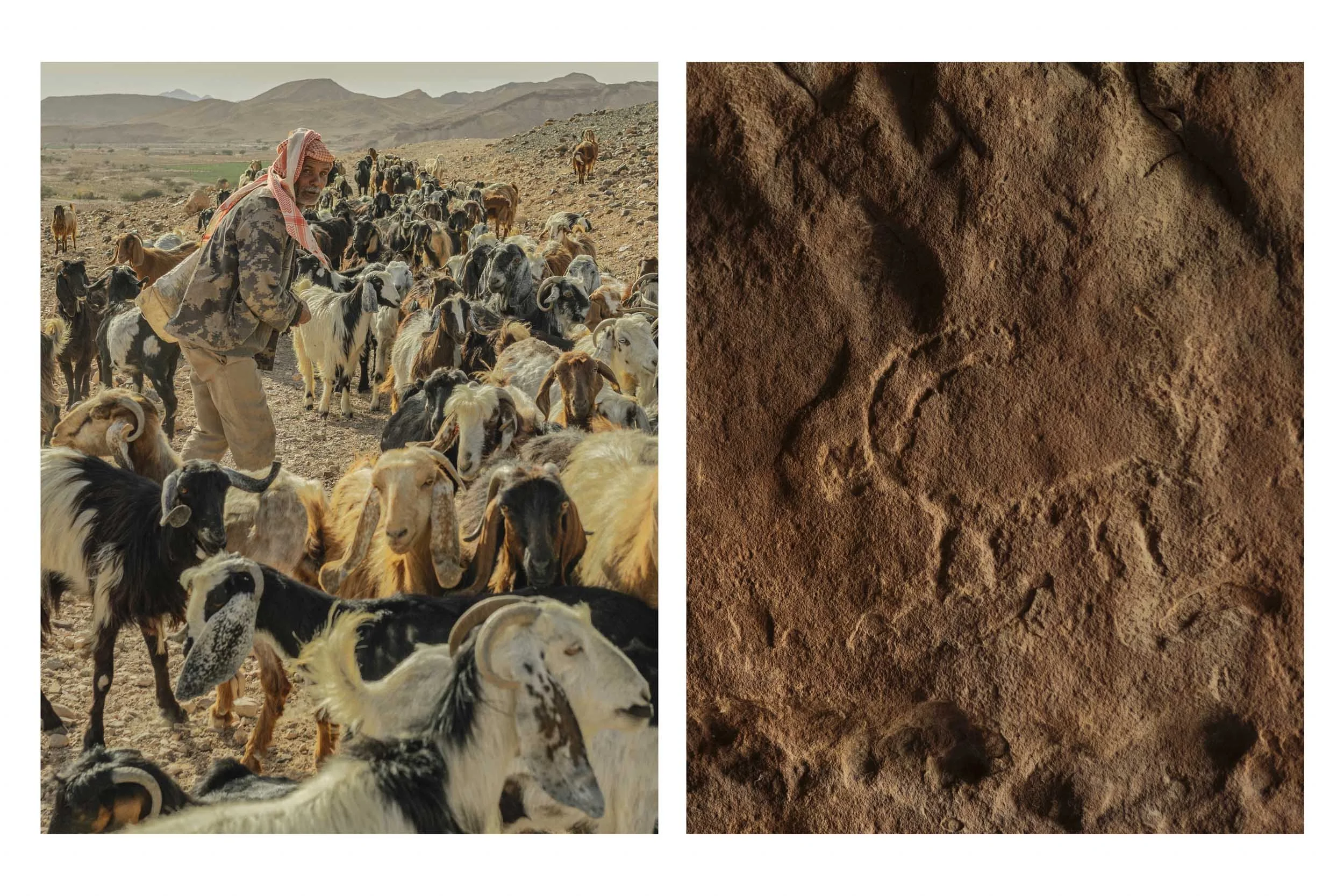
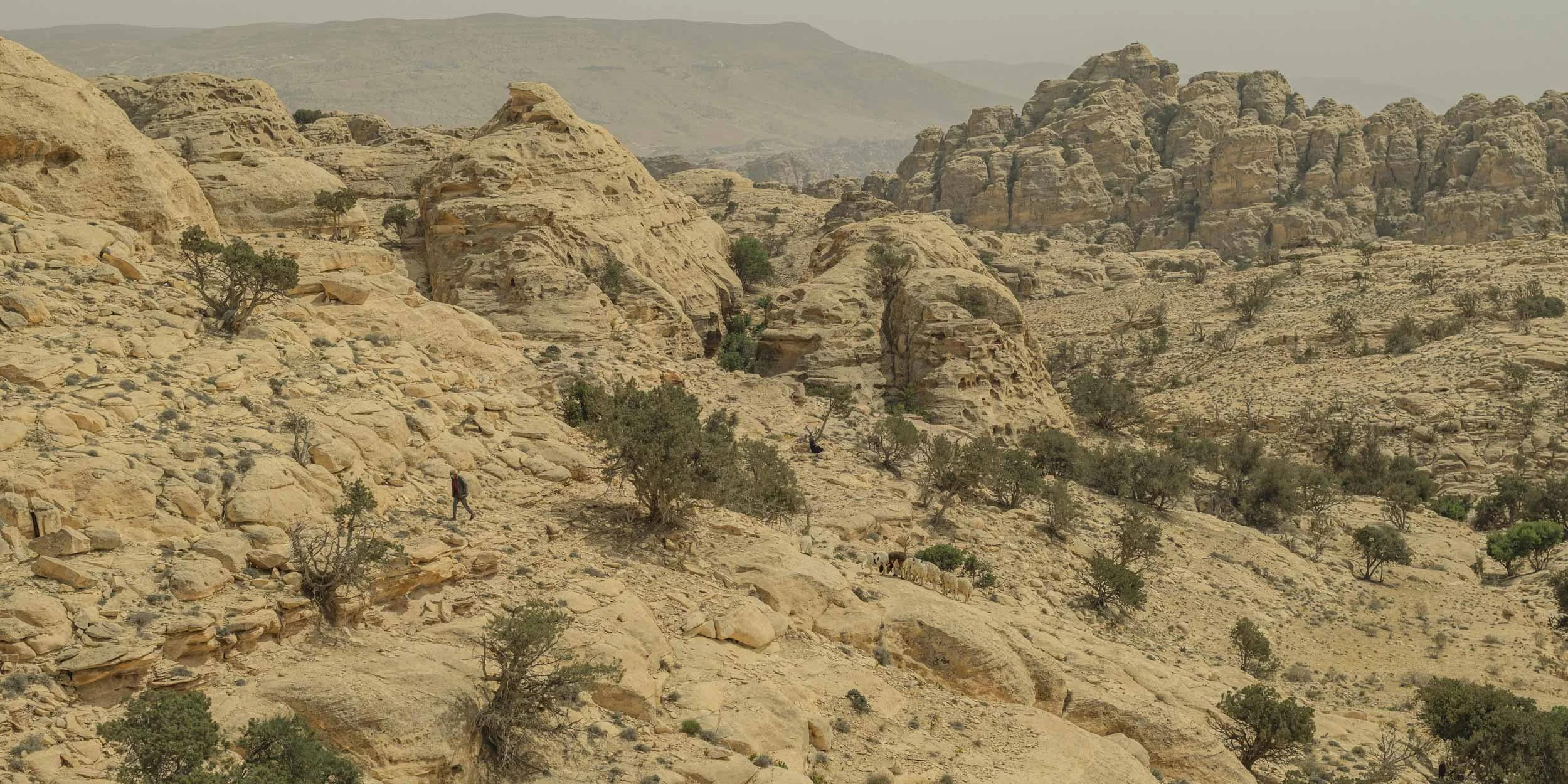
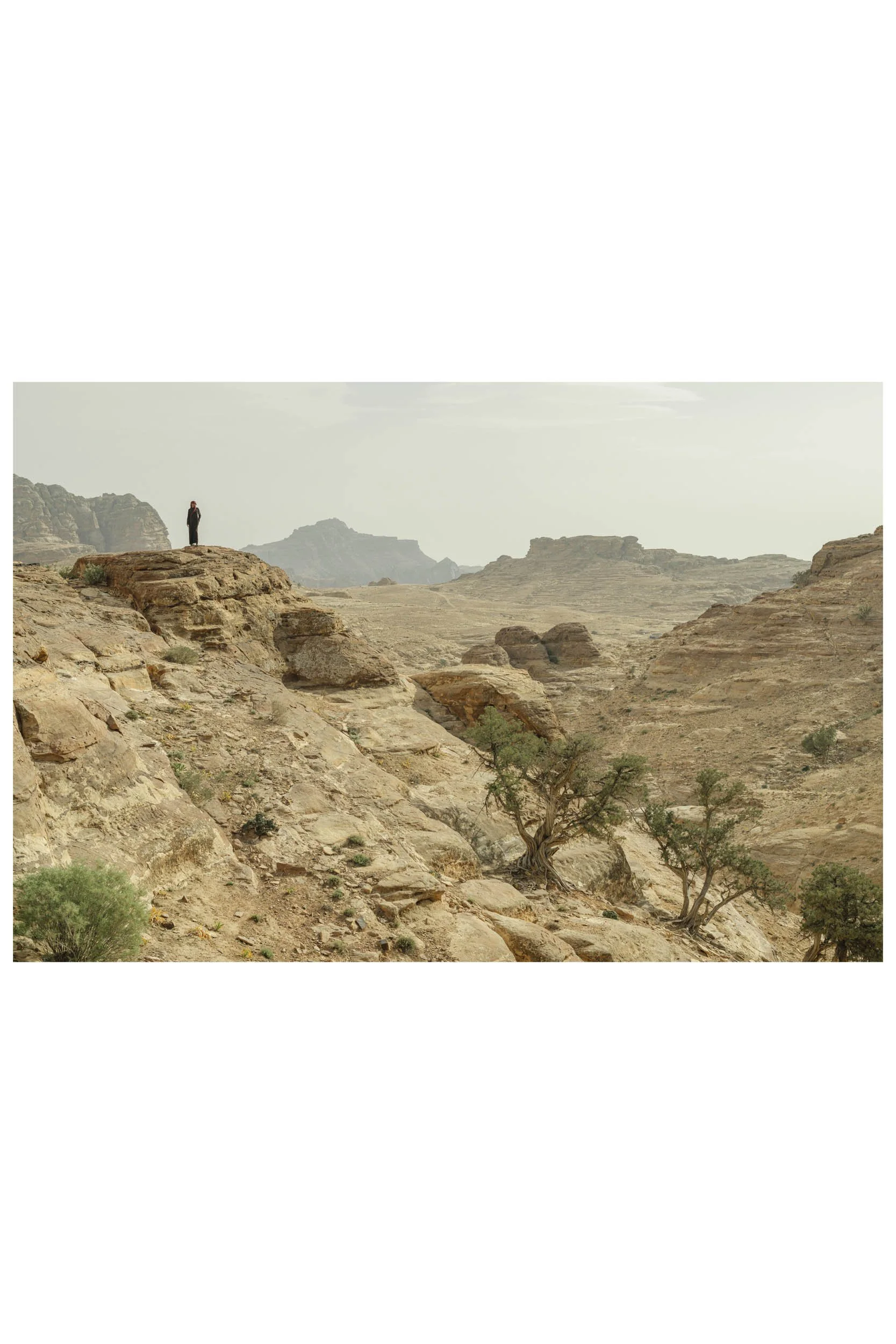
Every morning, we walked the herd into the desert. Over 60 goats and a few lambs.
No phone signal.
No internet.
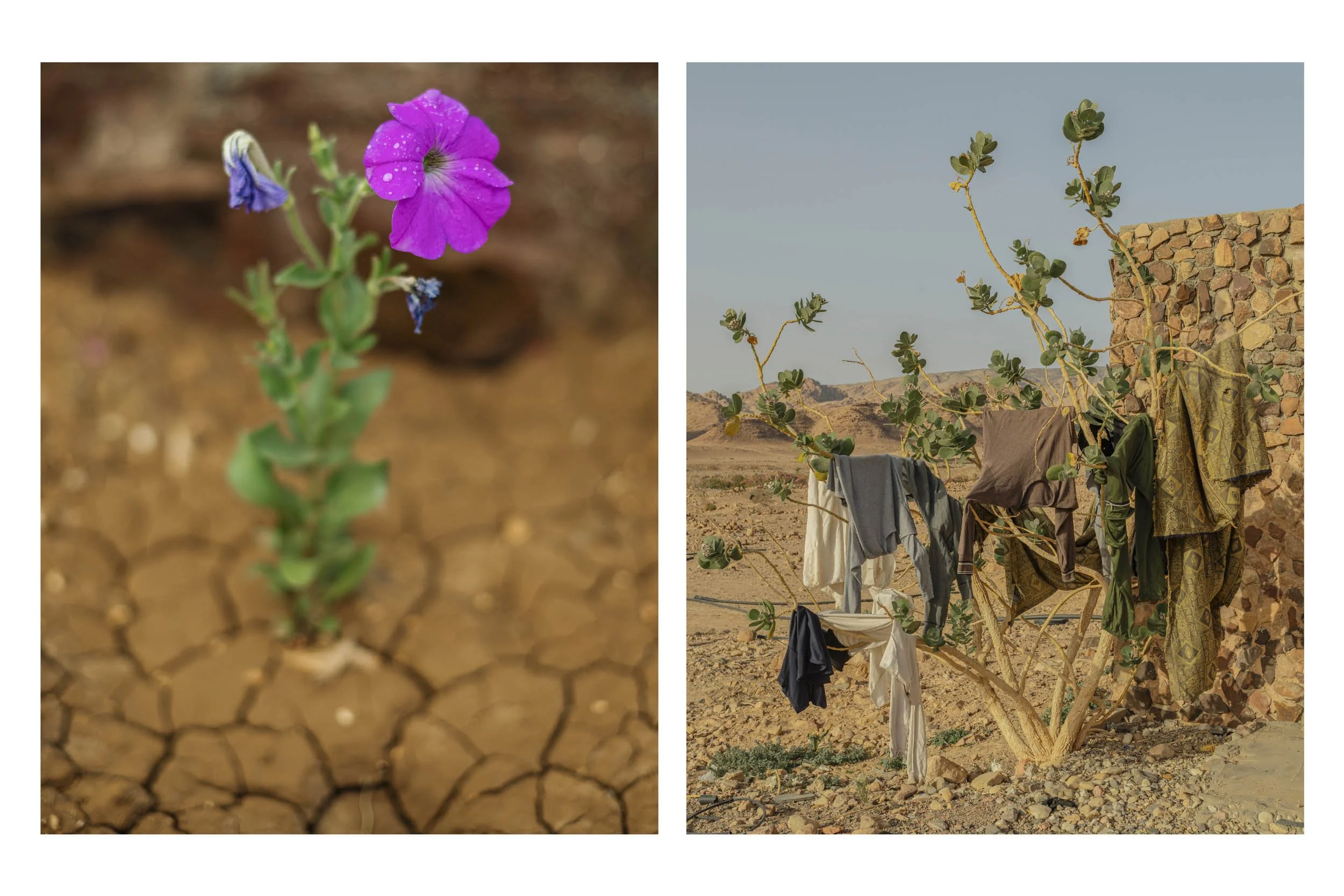
Just the scuff of hooves, the whisper of the wind and the warm smell of dust and goatskin.
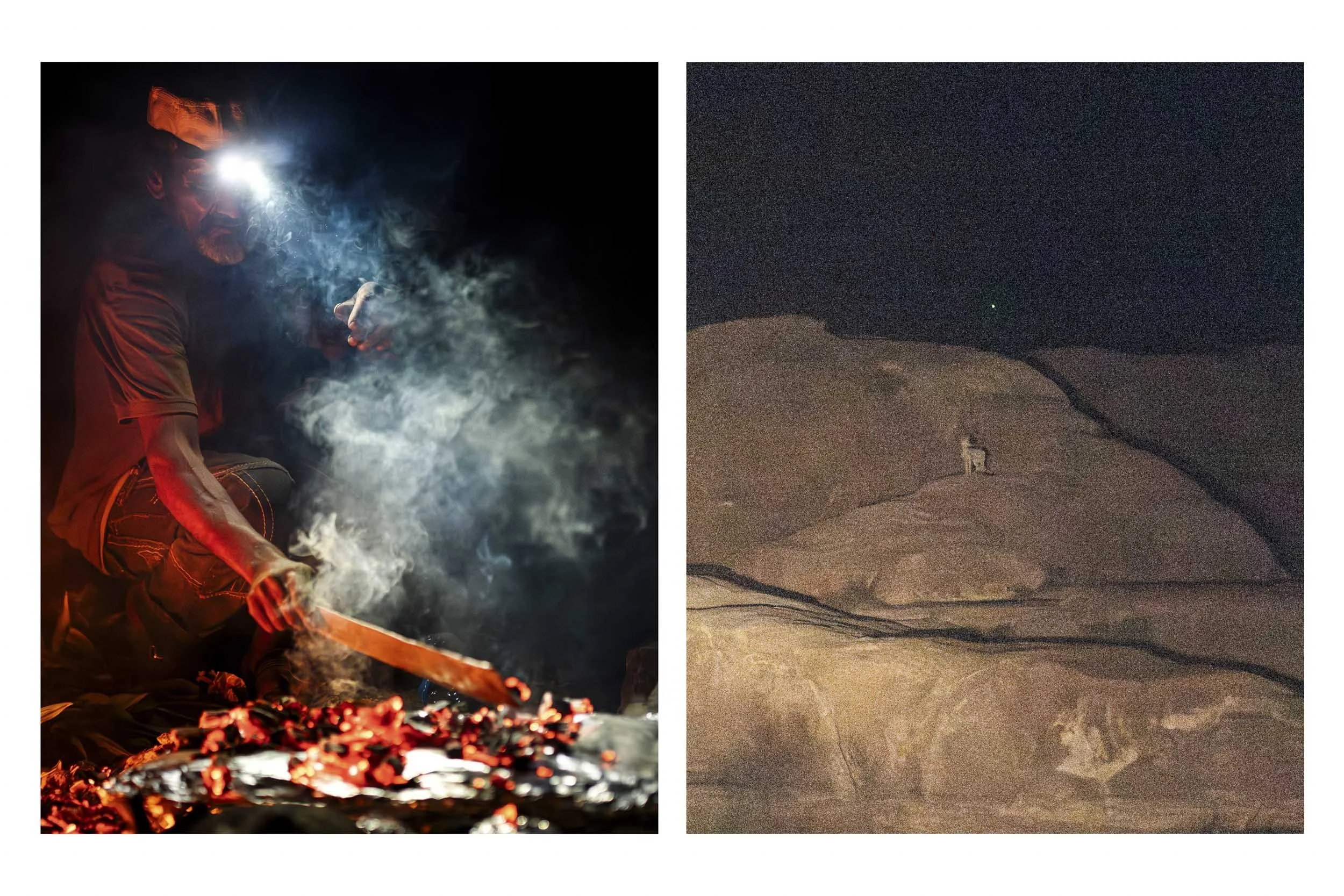
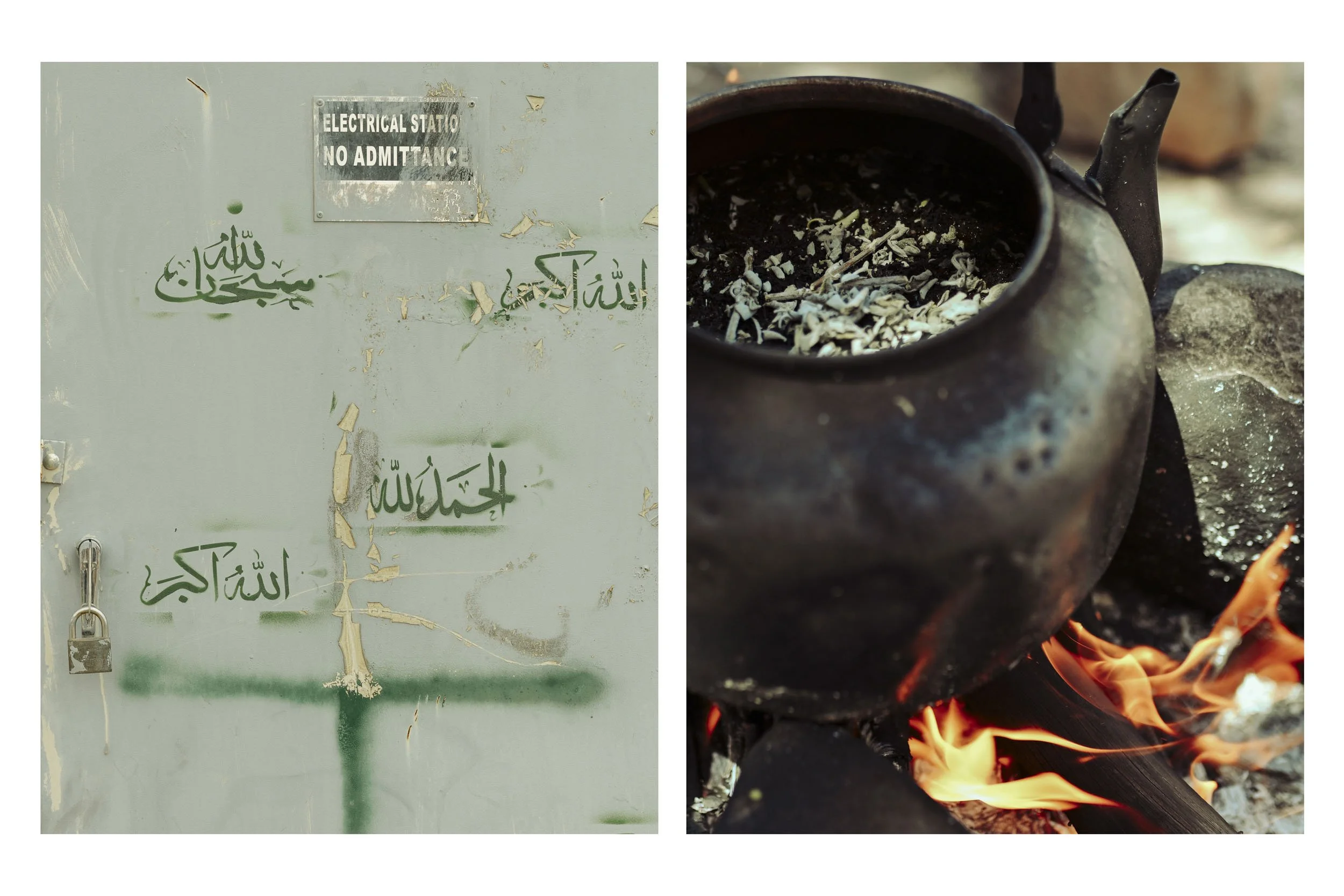
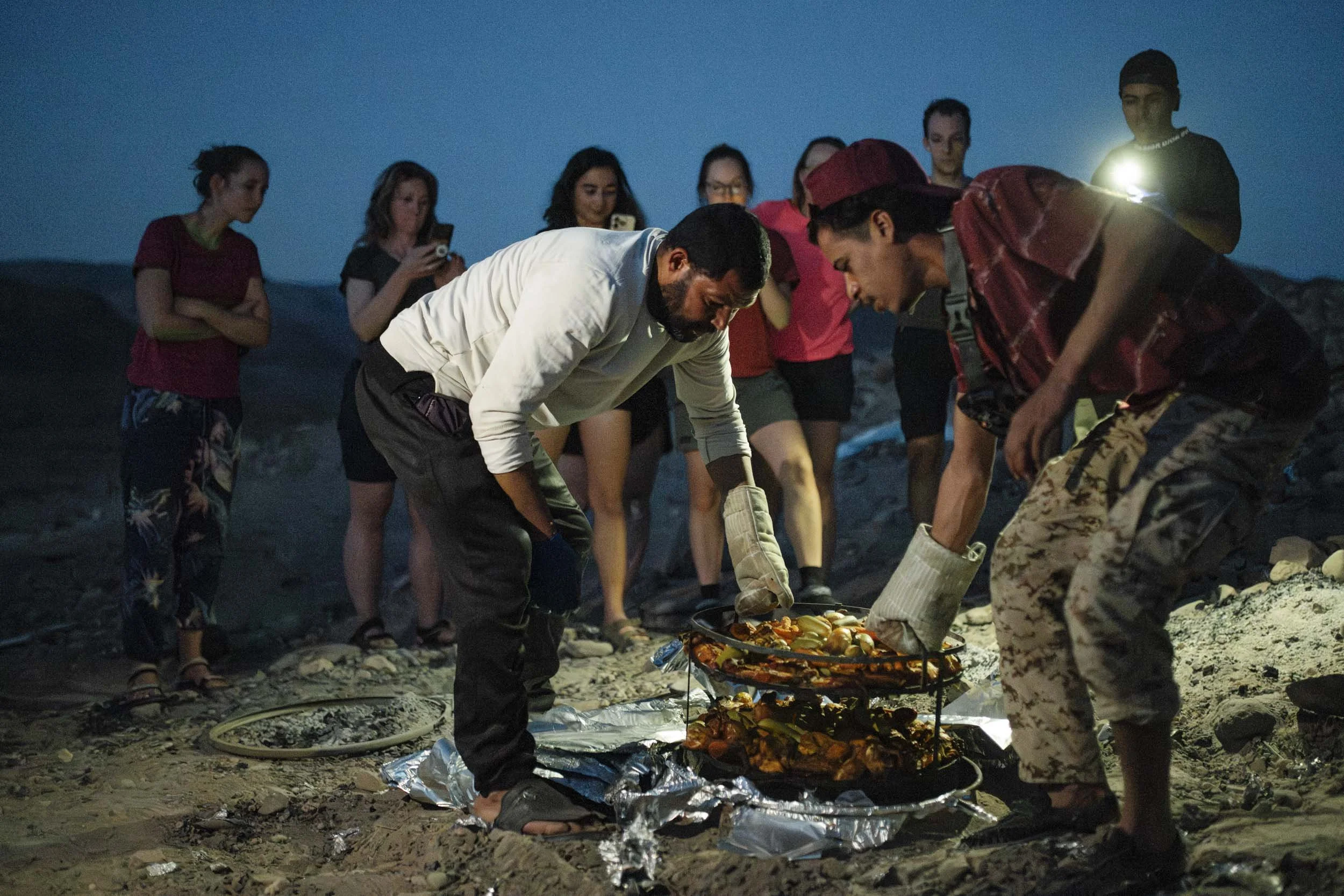
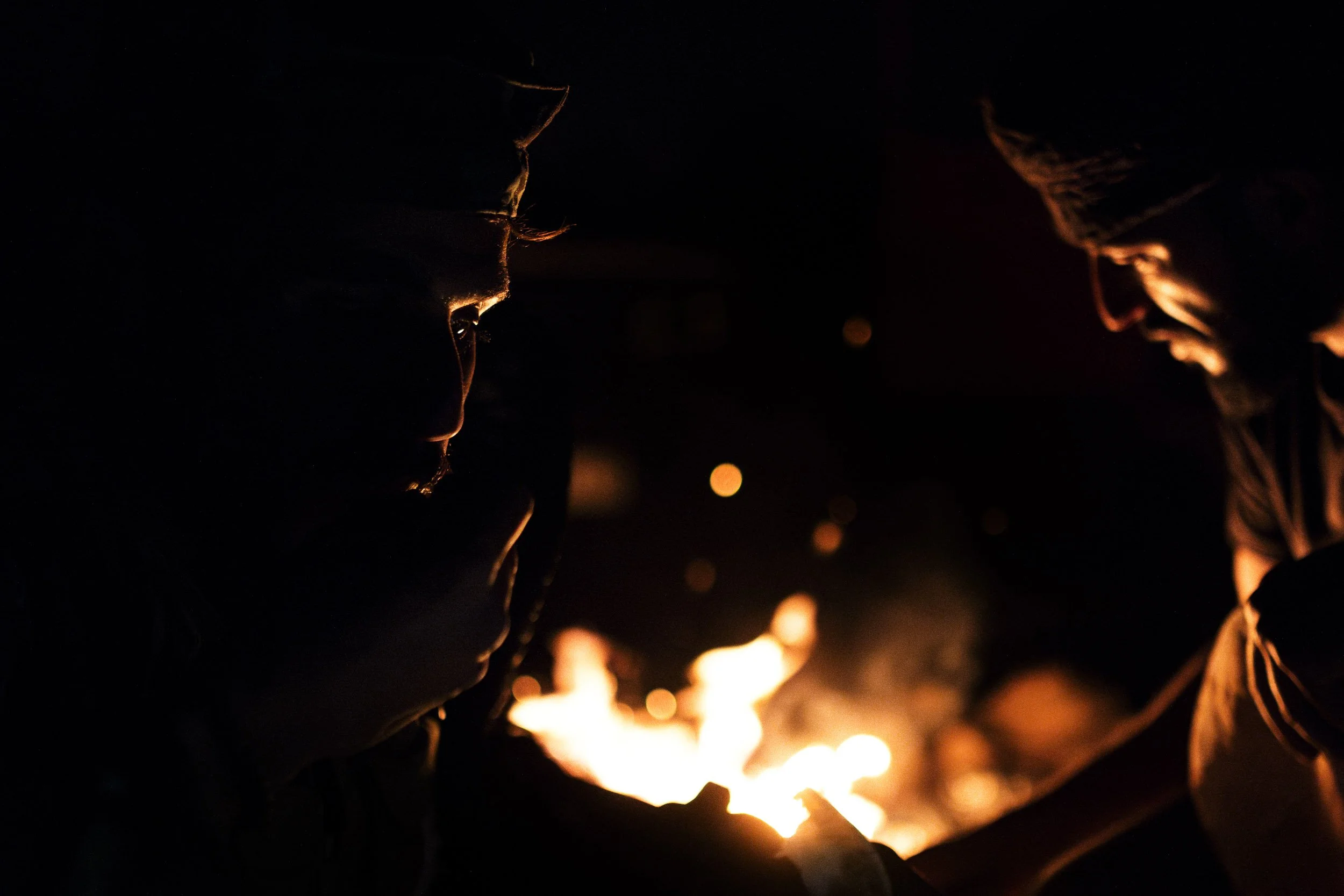
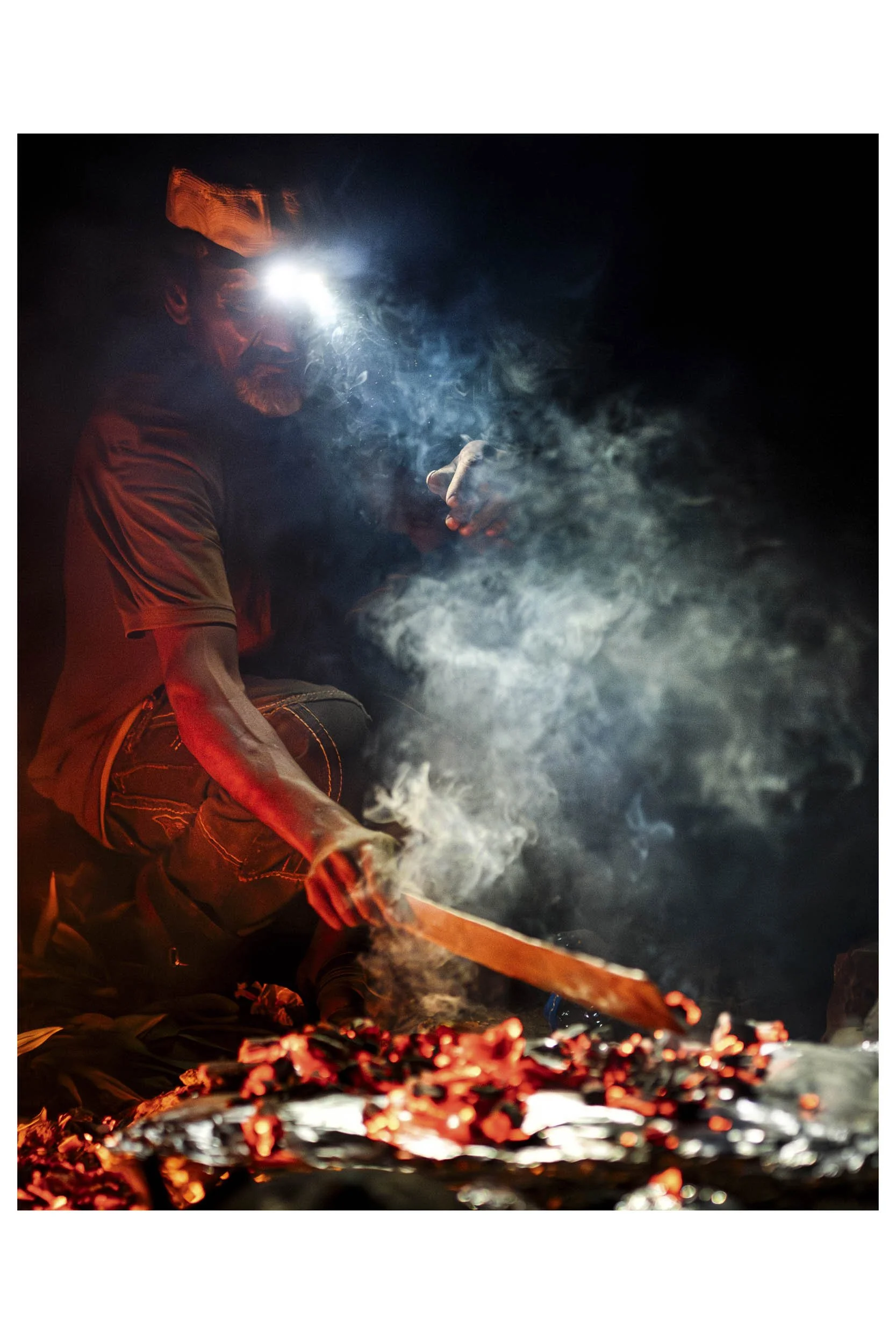
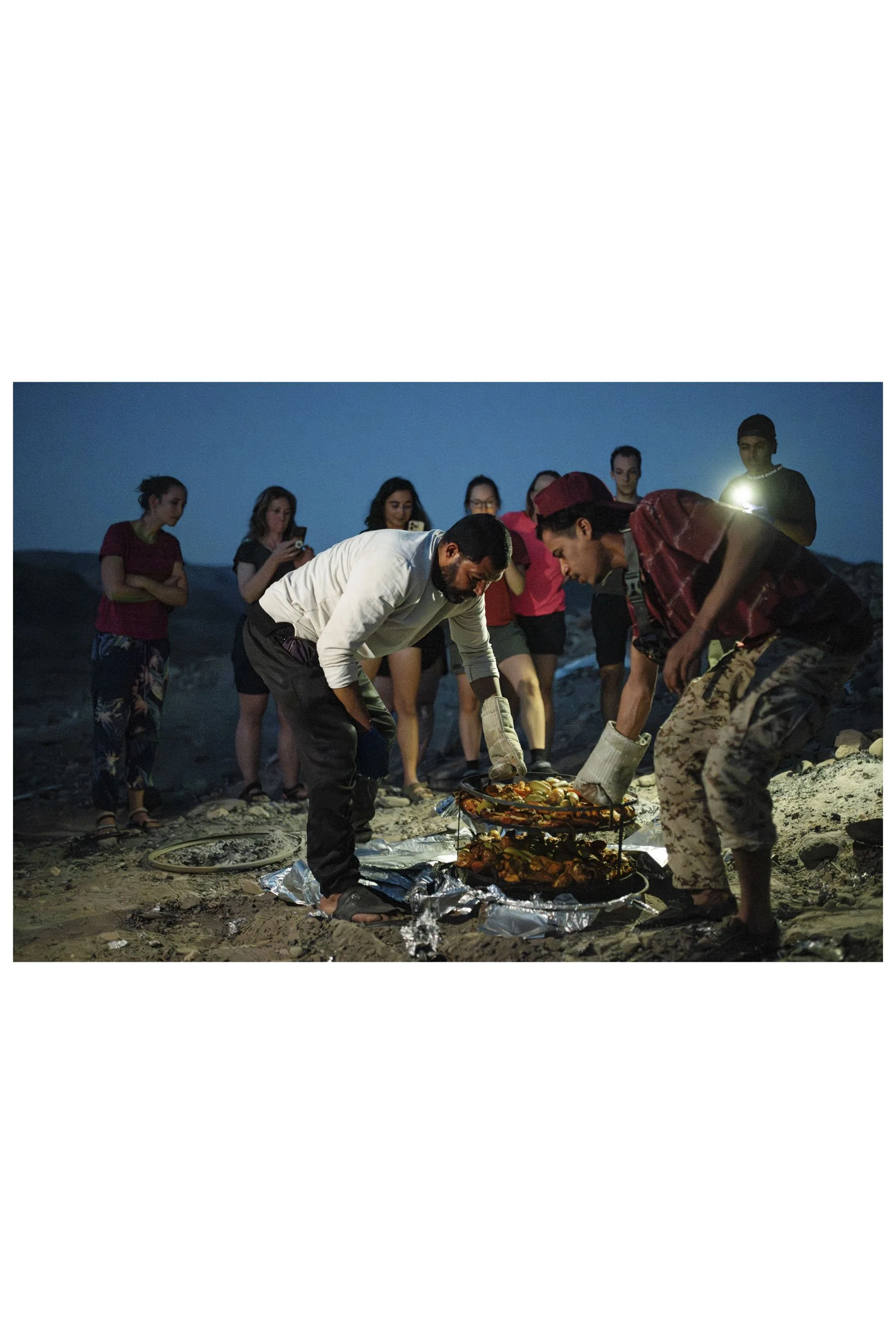
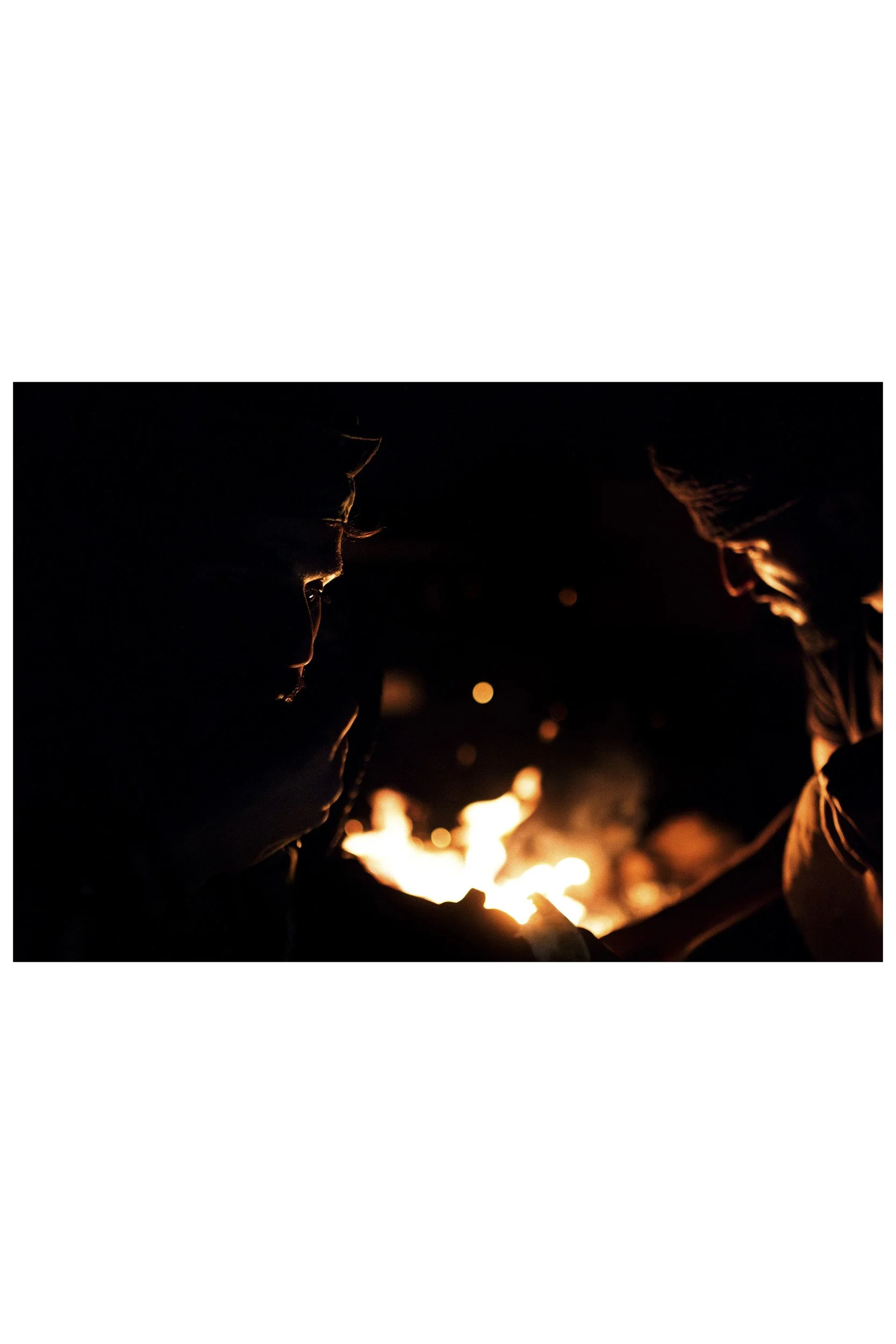
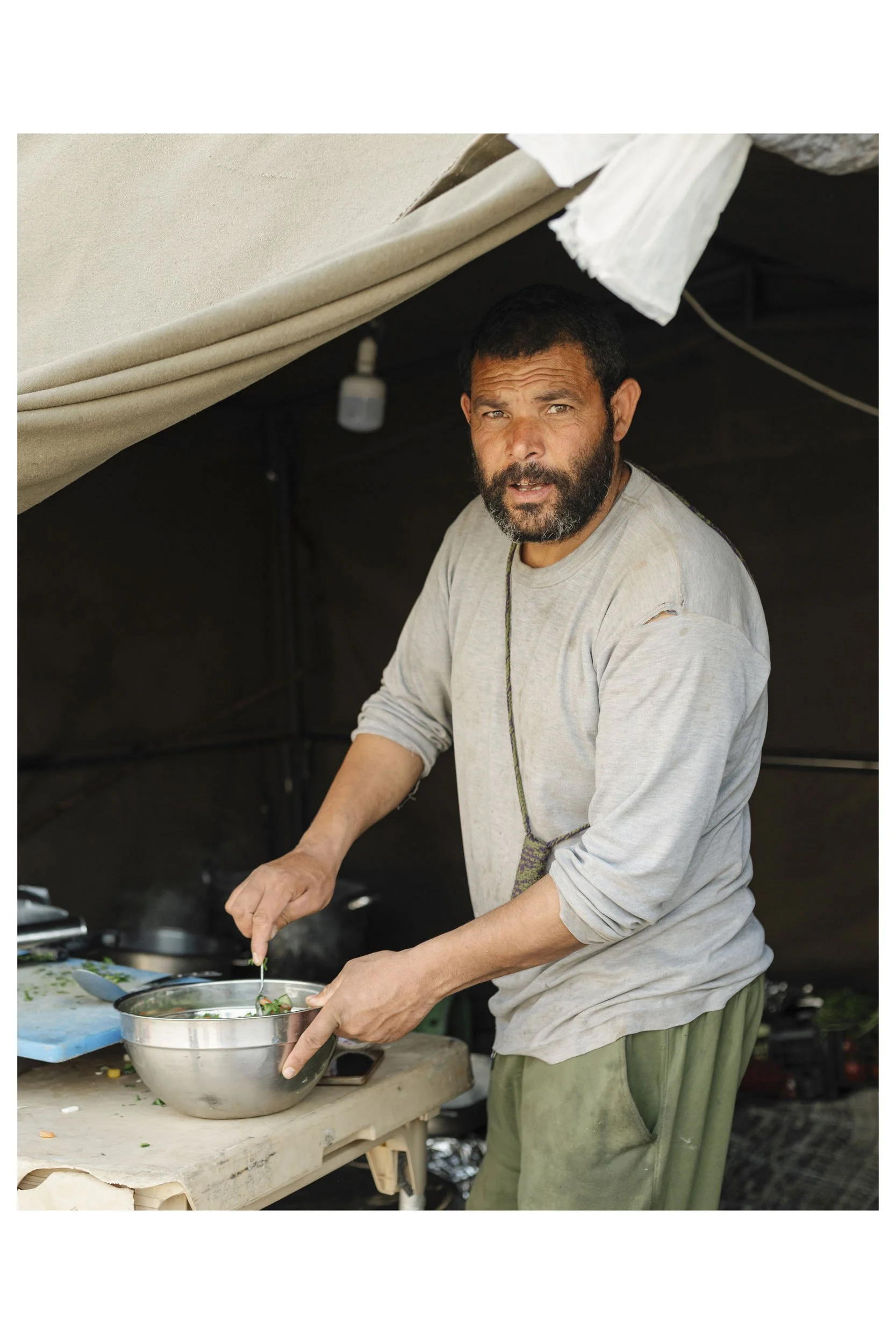
We made fire for tea.
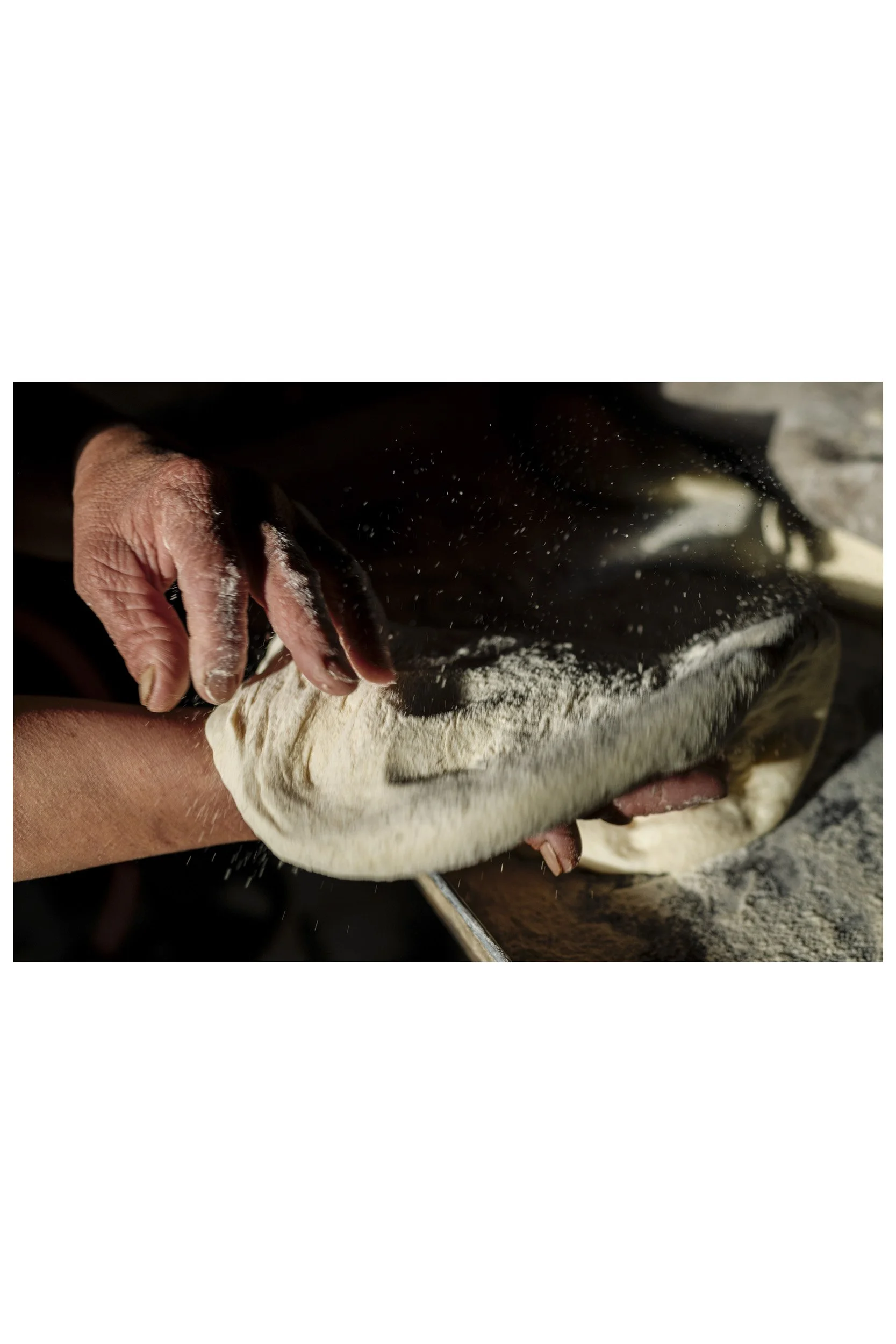
We shared lunch.
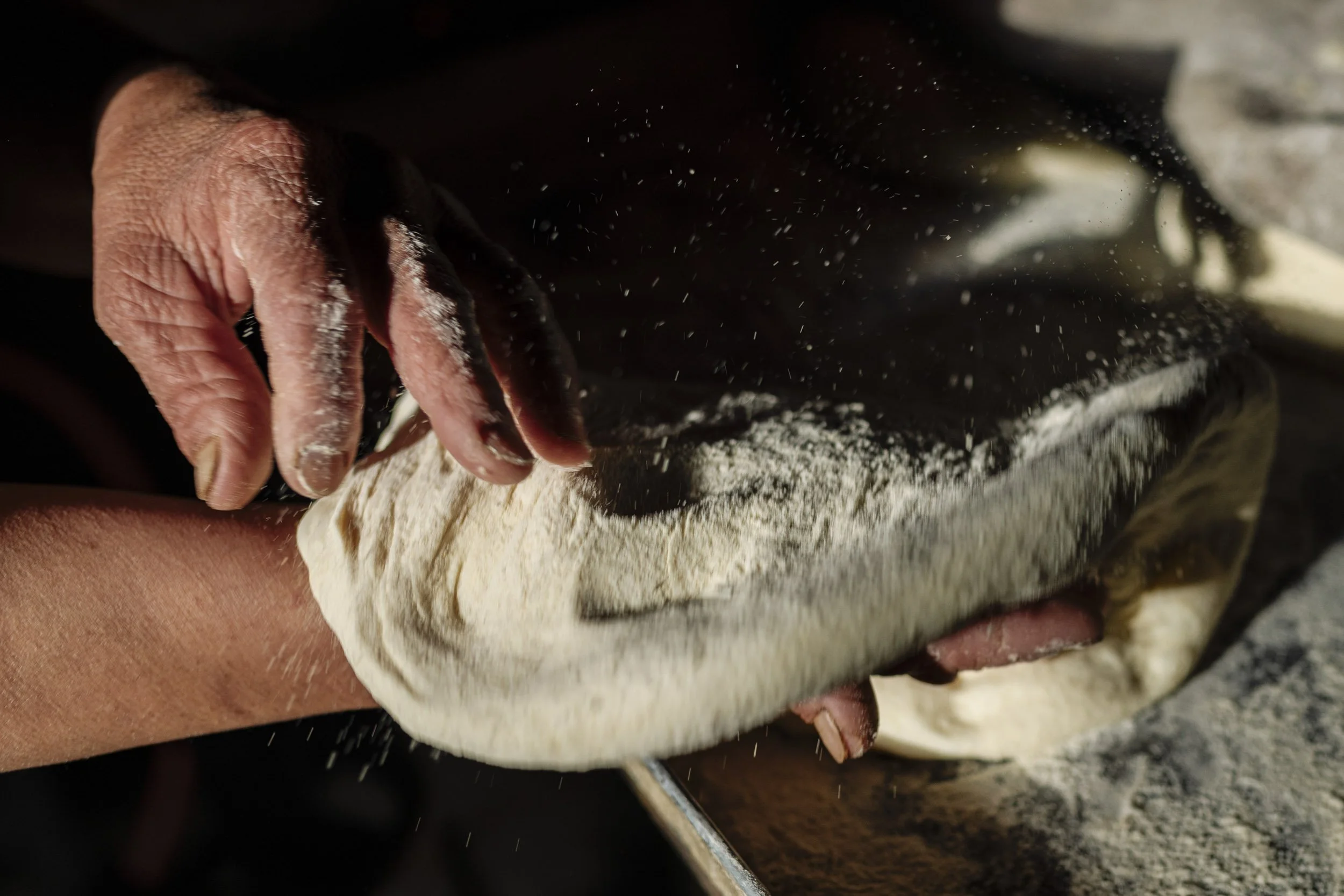
In the afternoons we milked the goats.
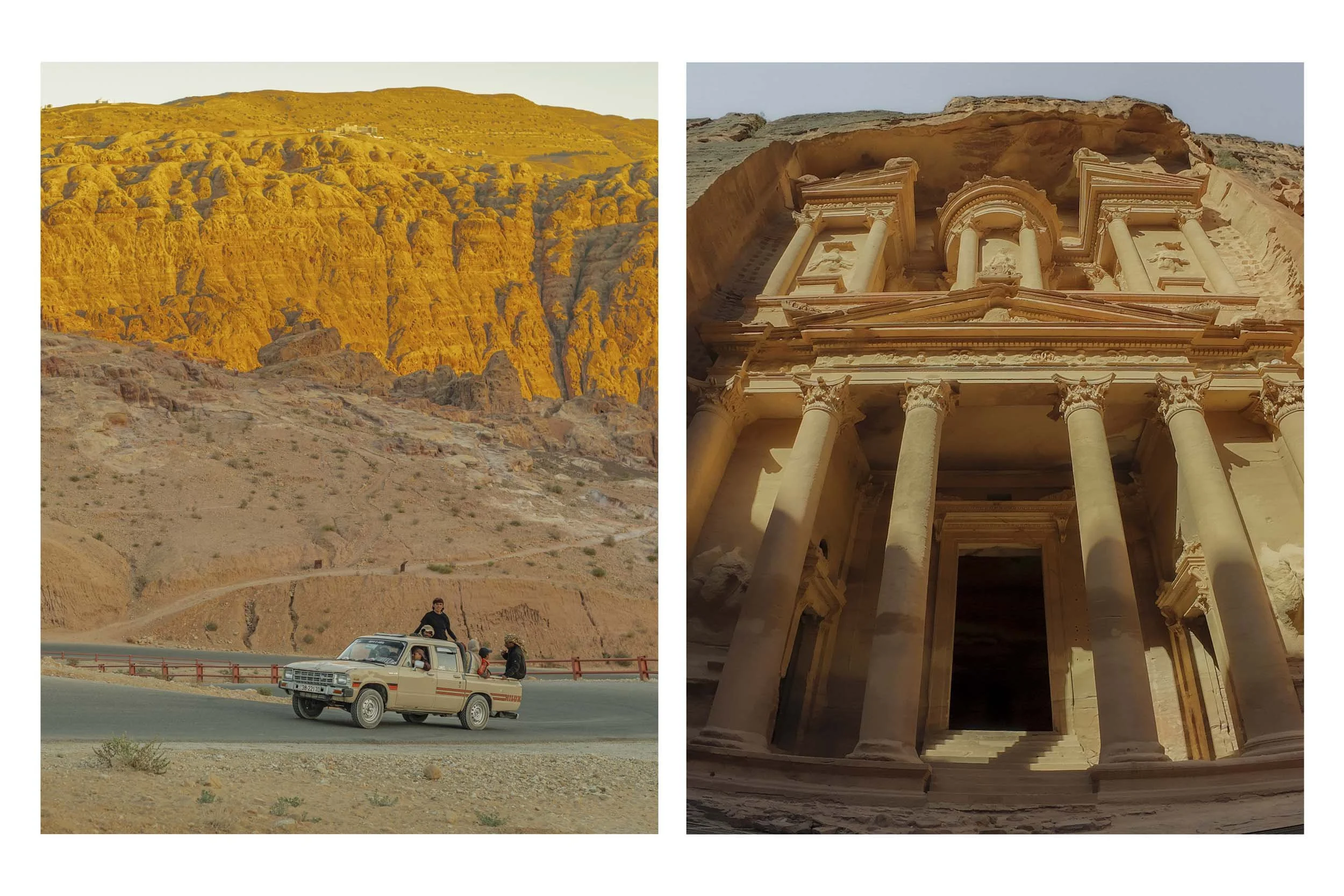
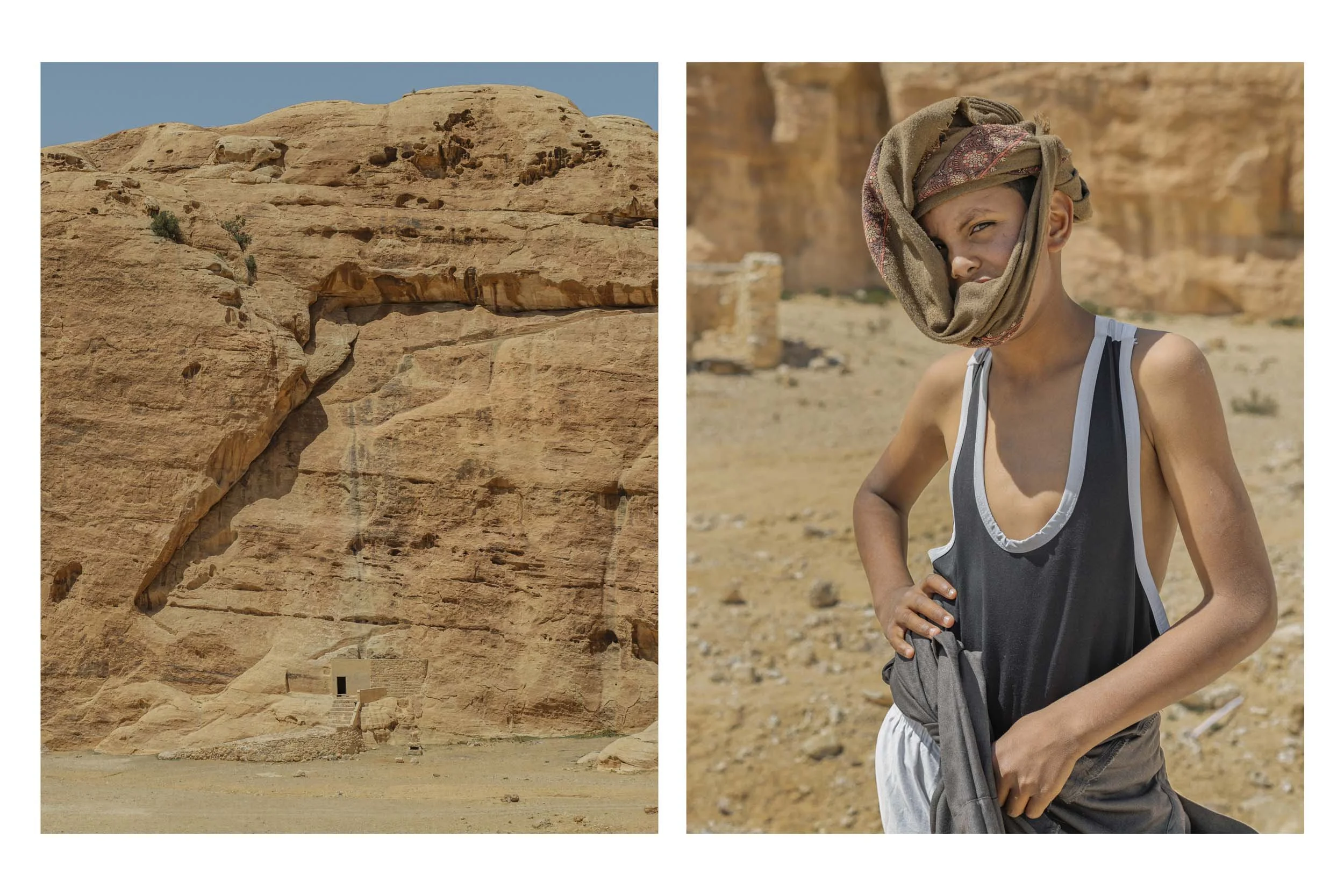
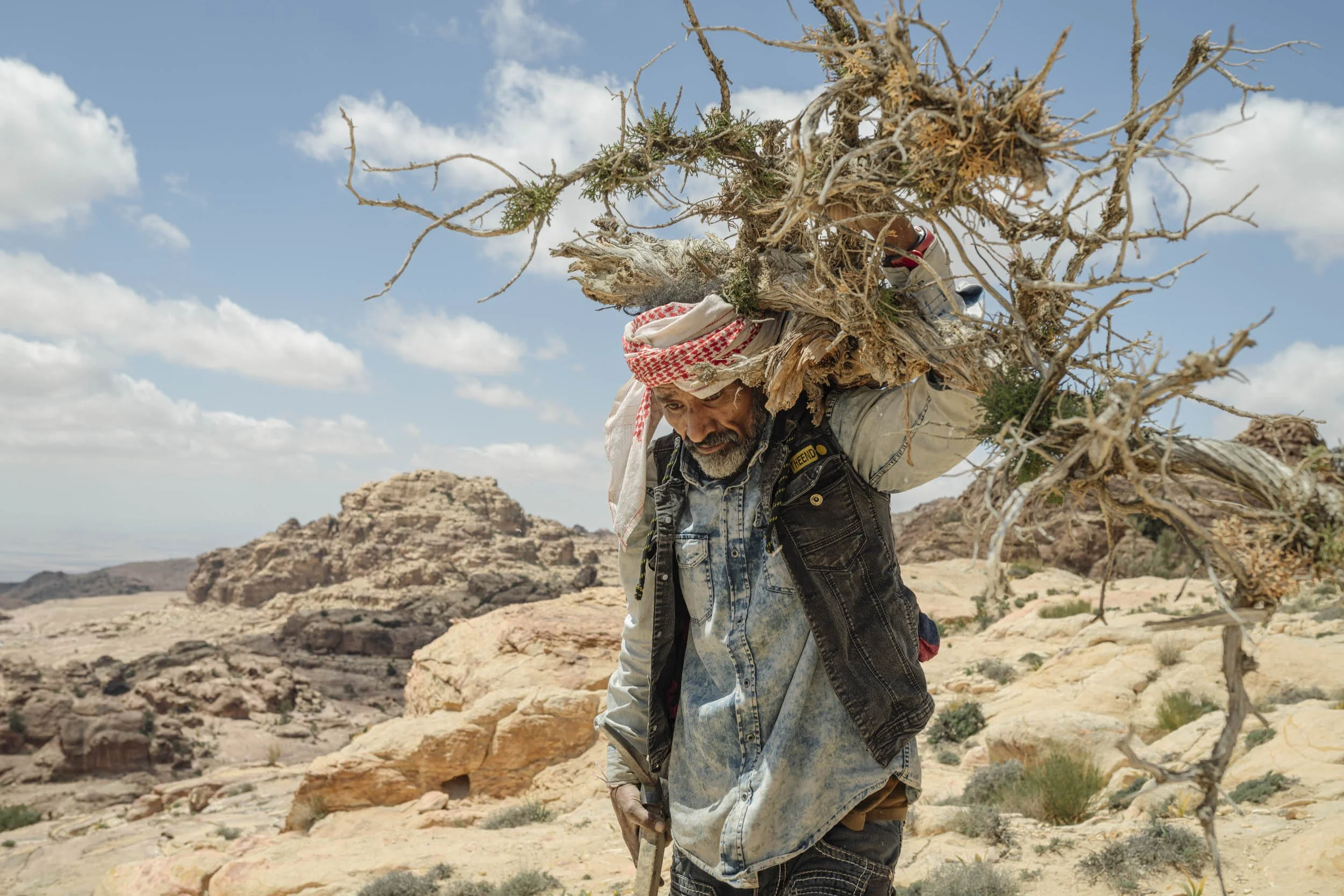
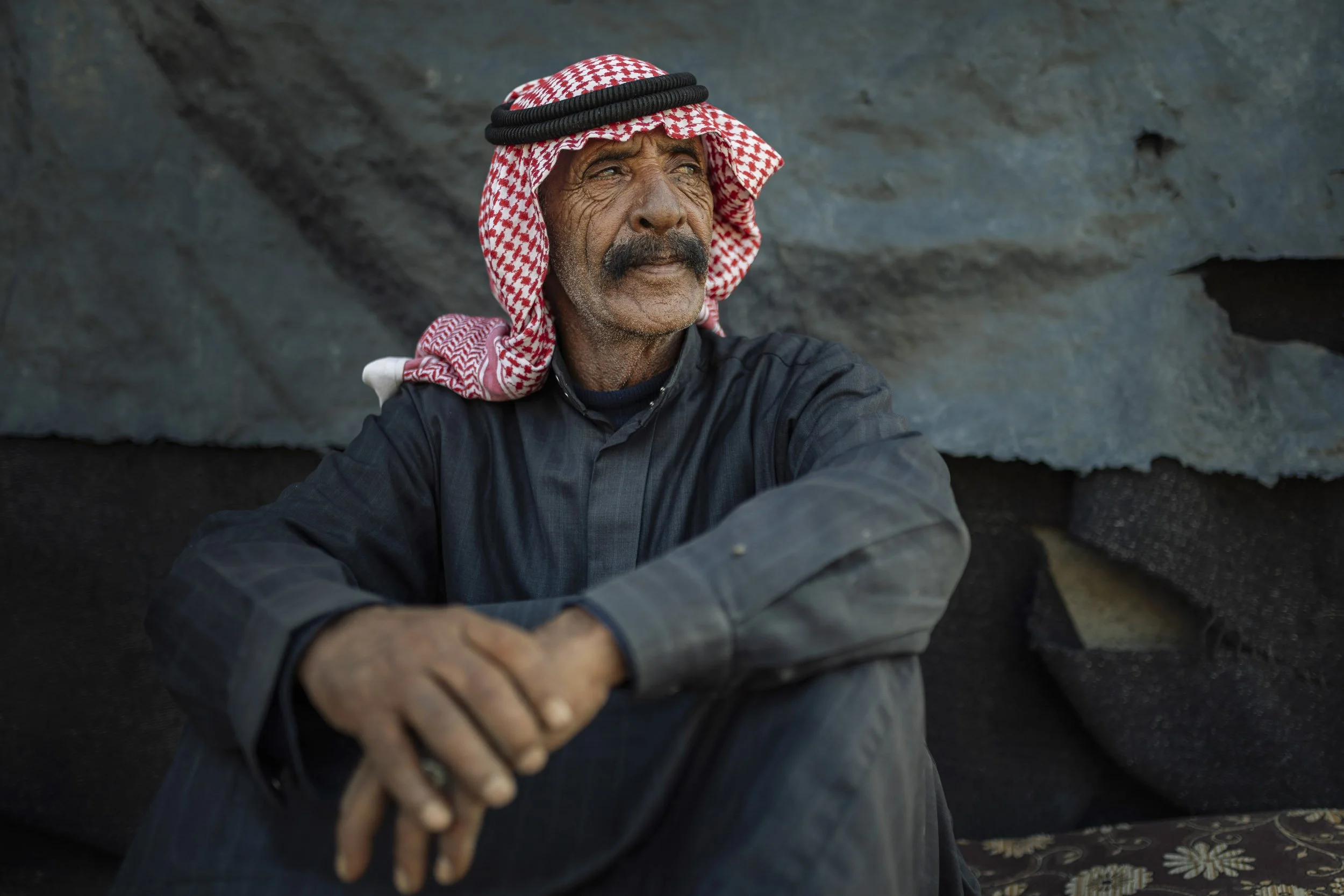
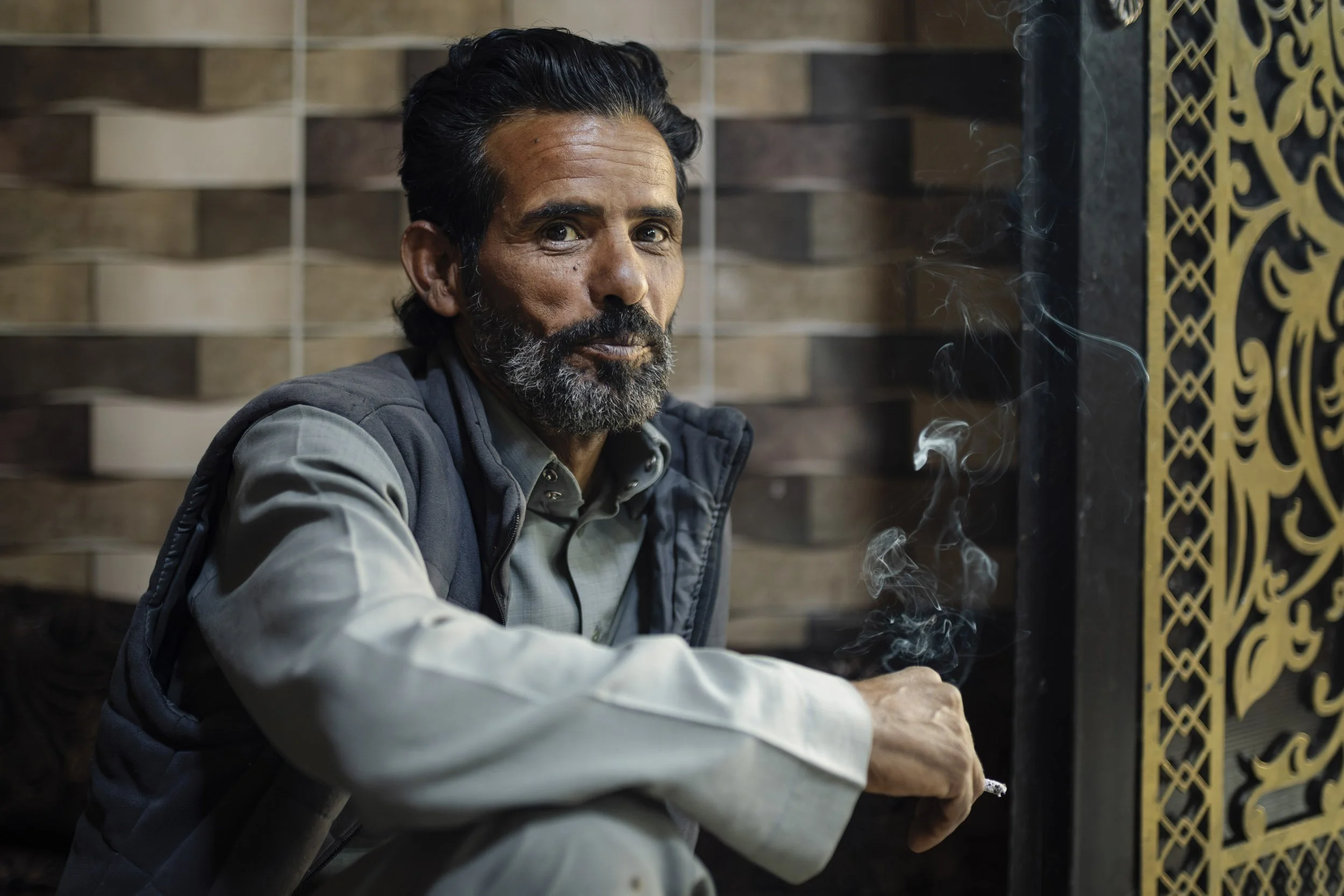
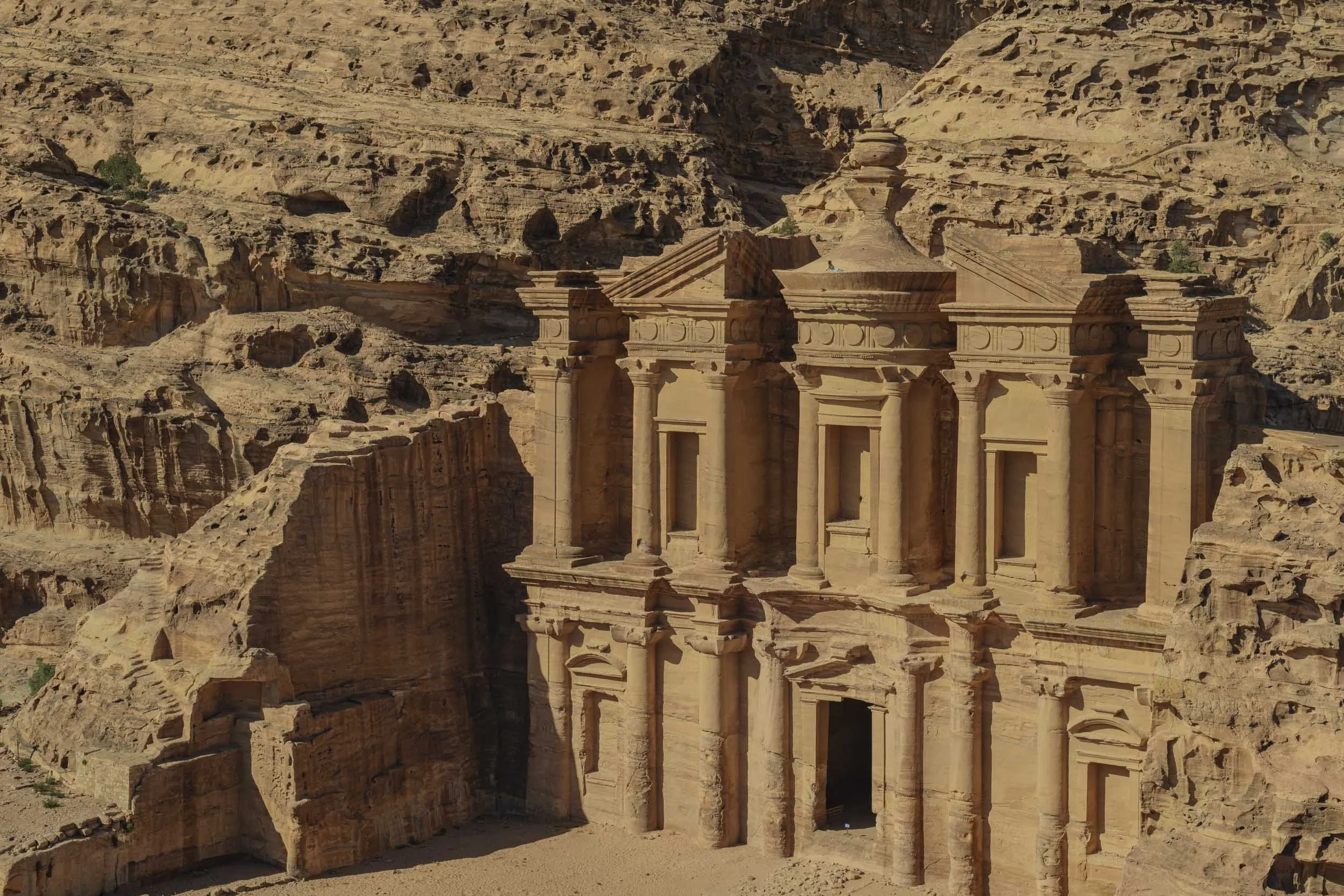
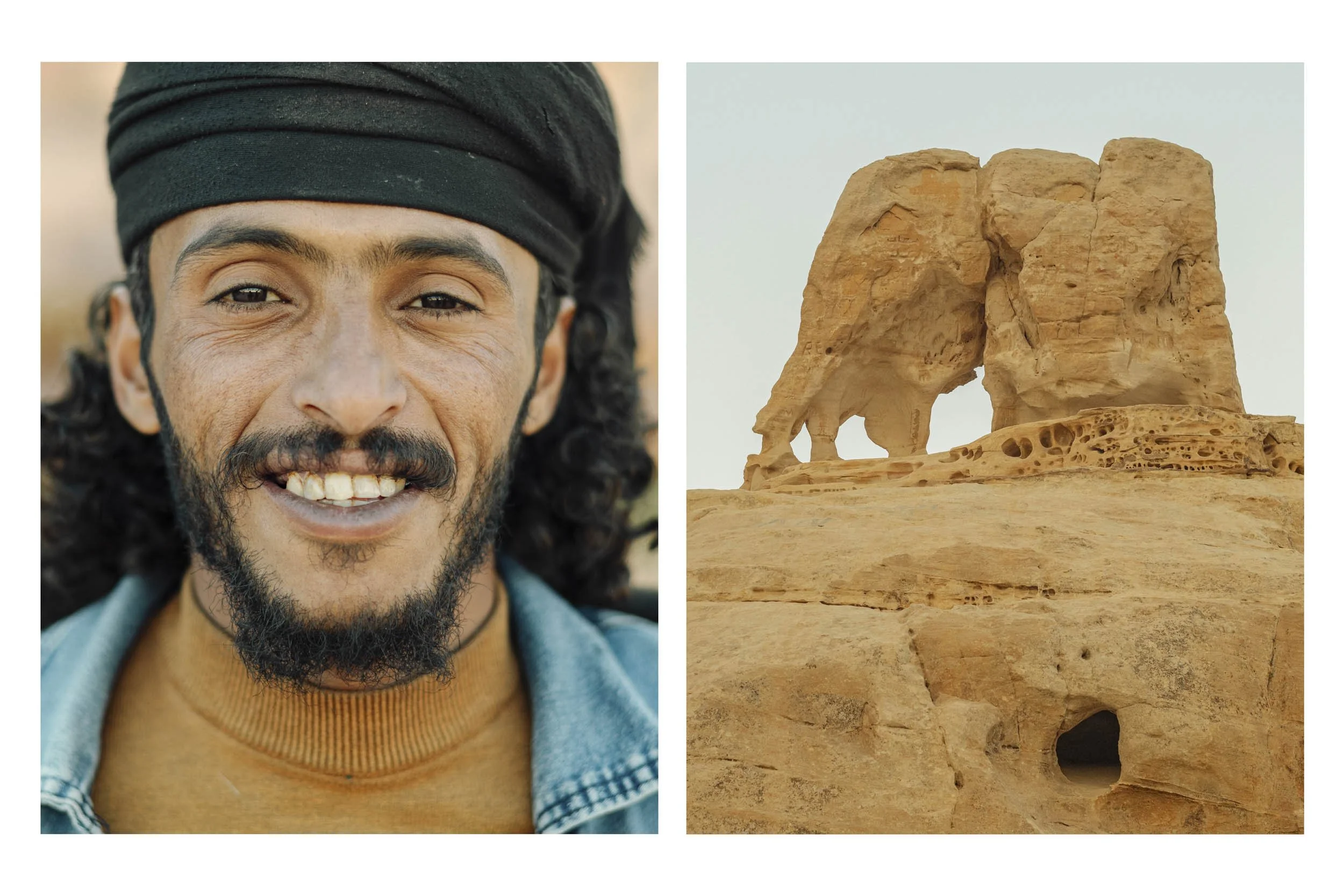
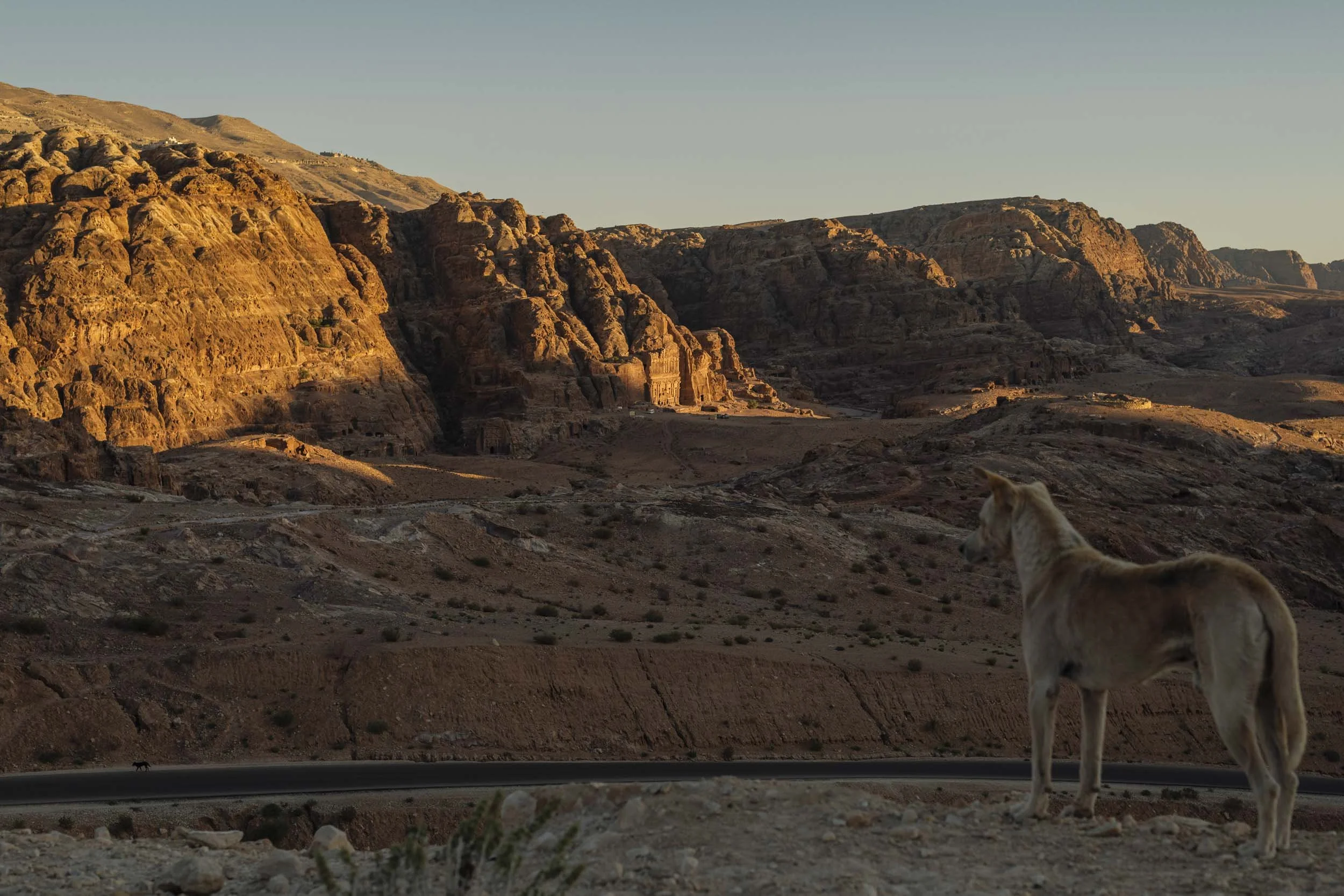
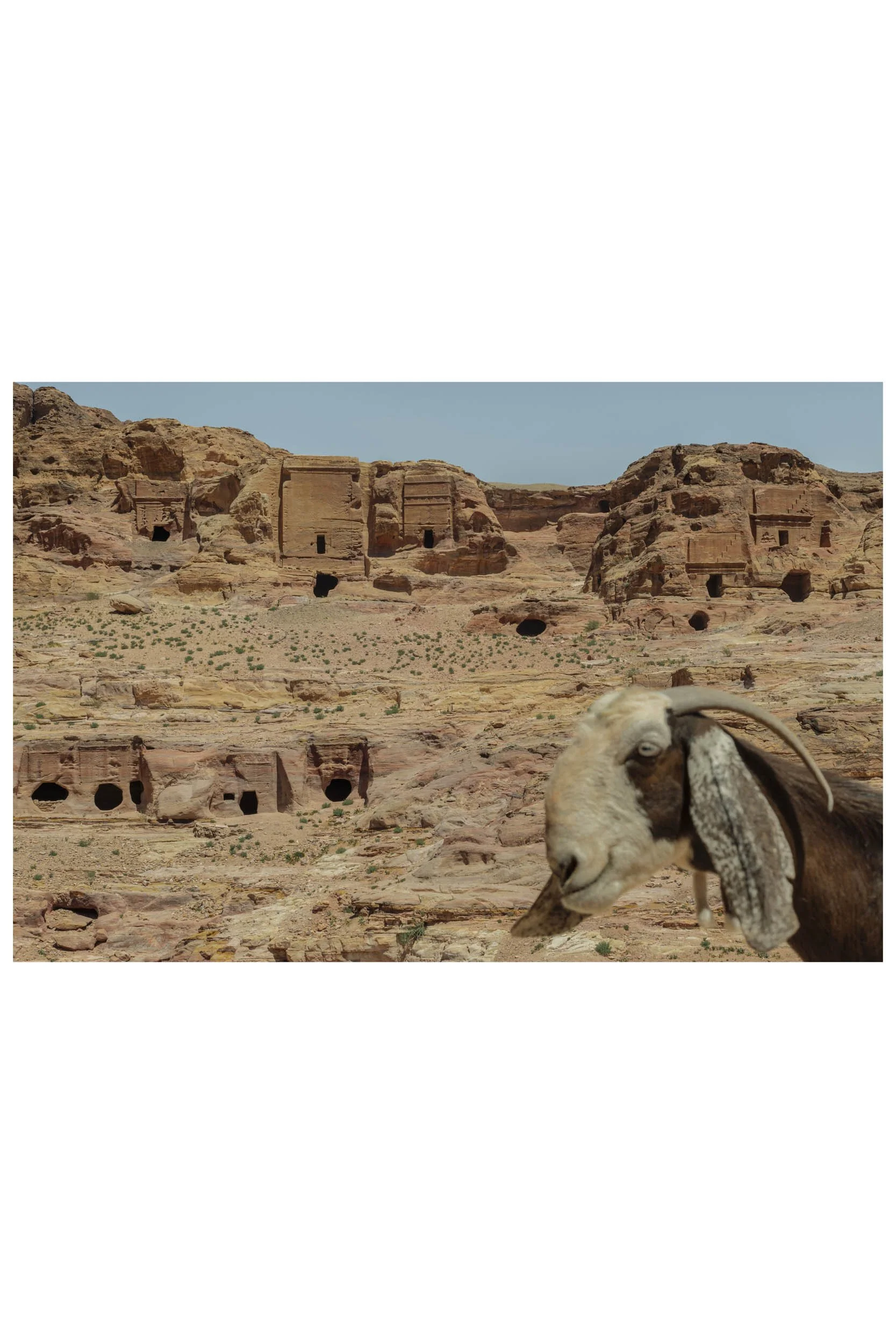
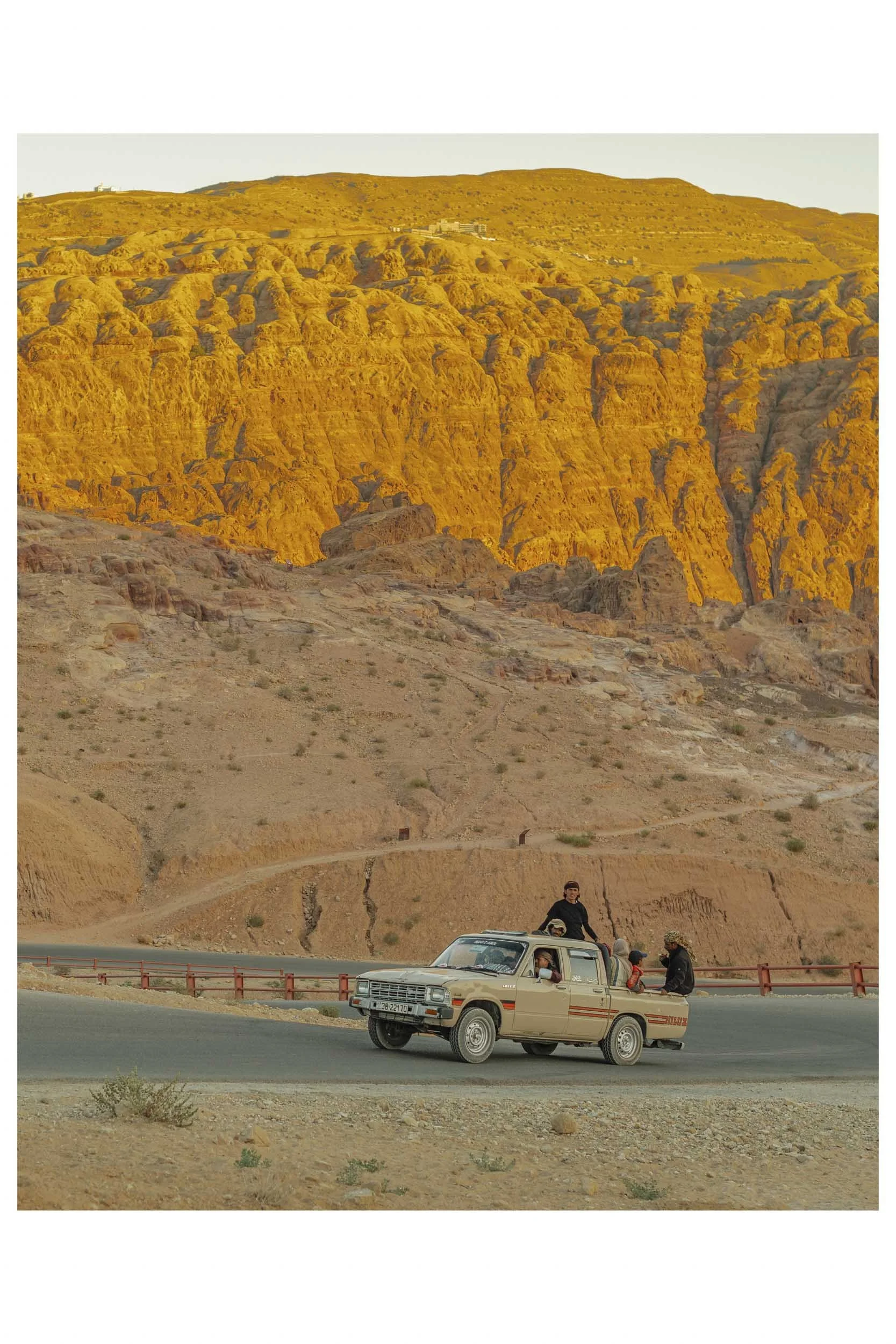
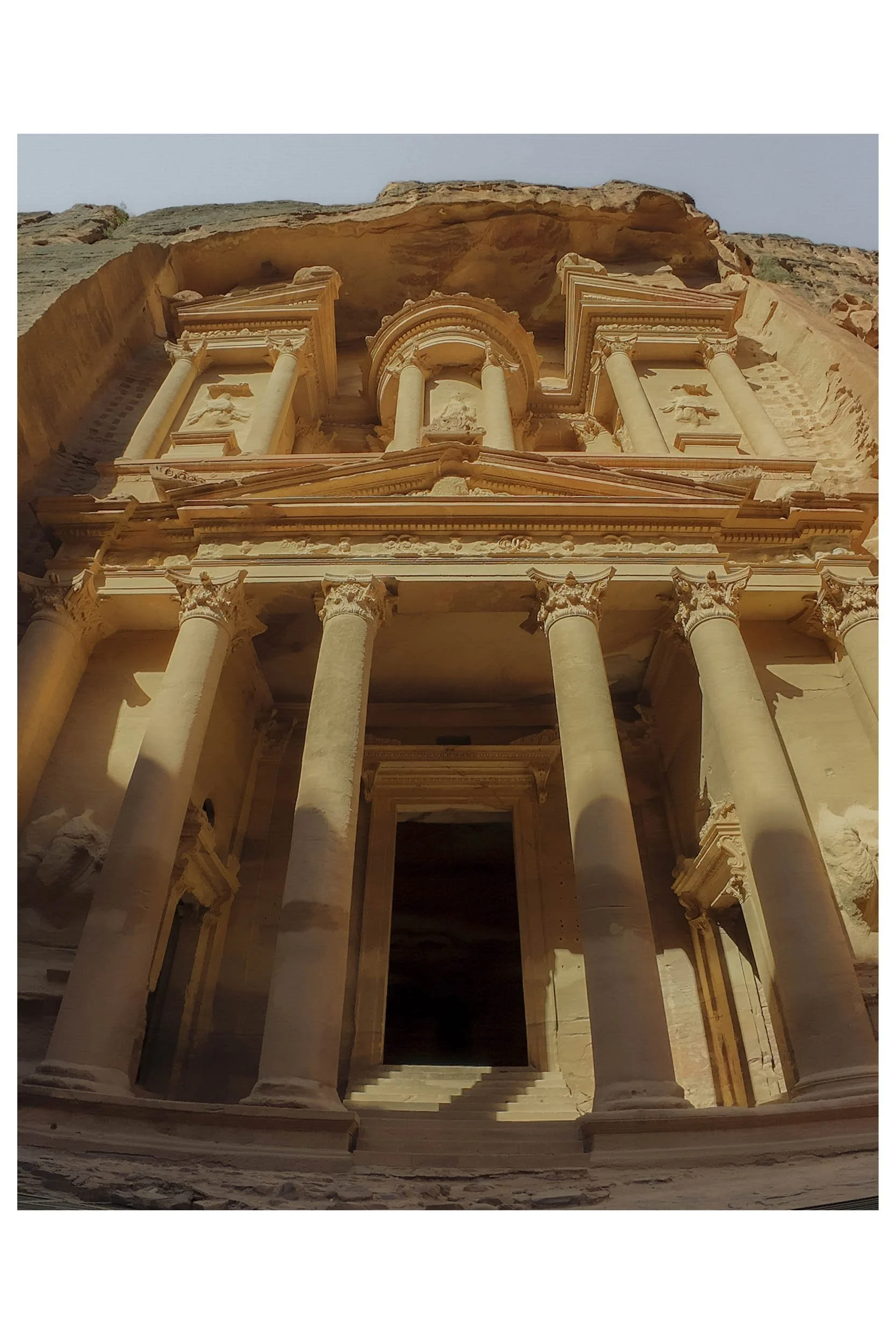
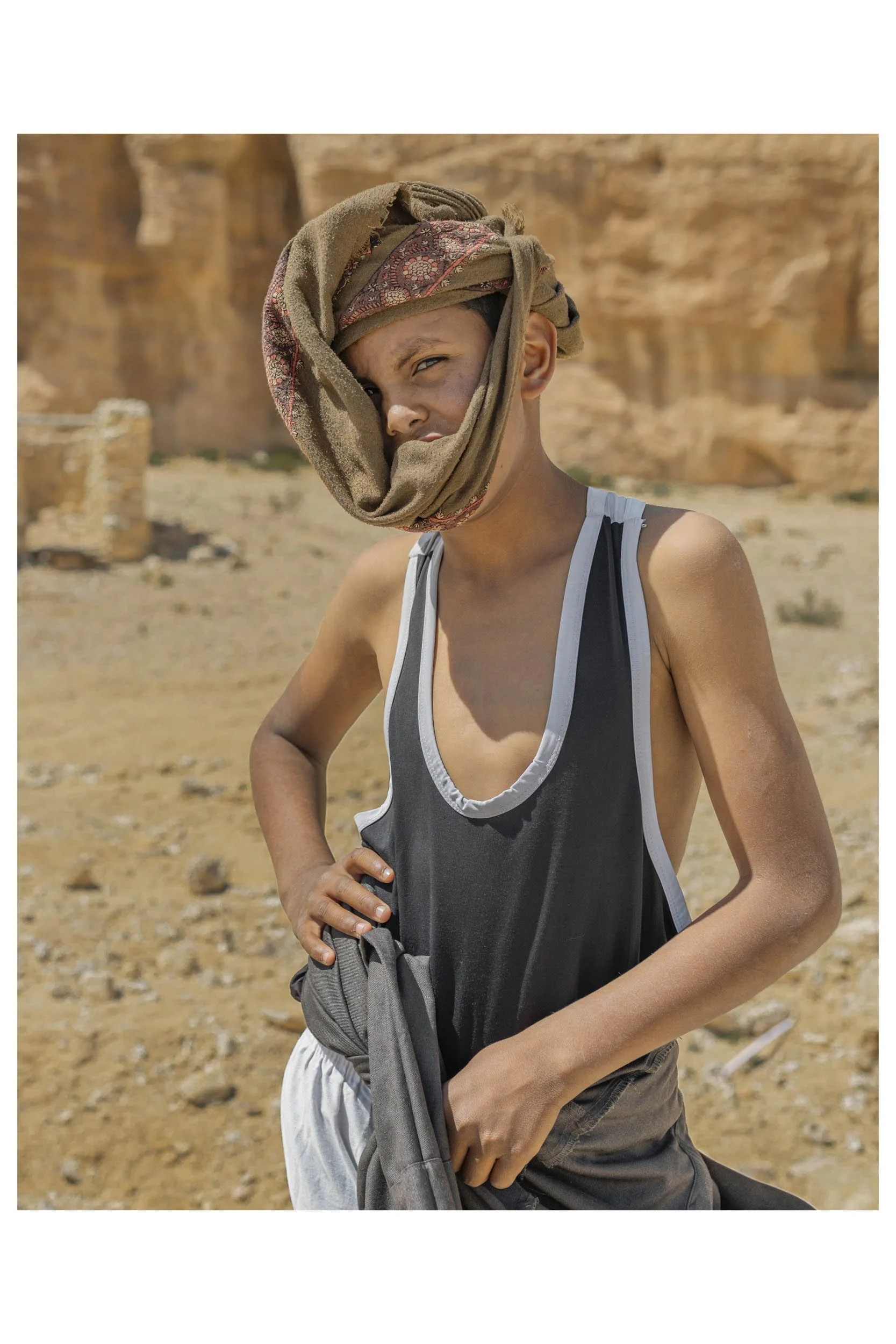
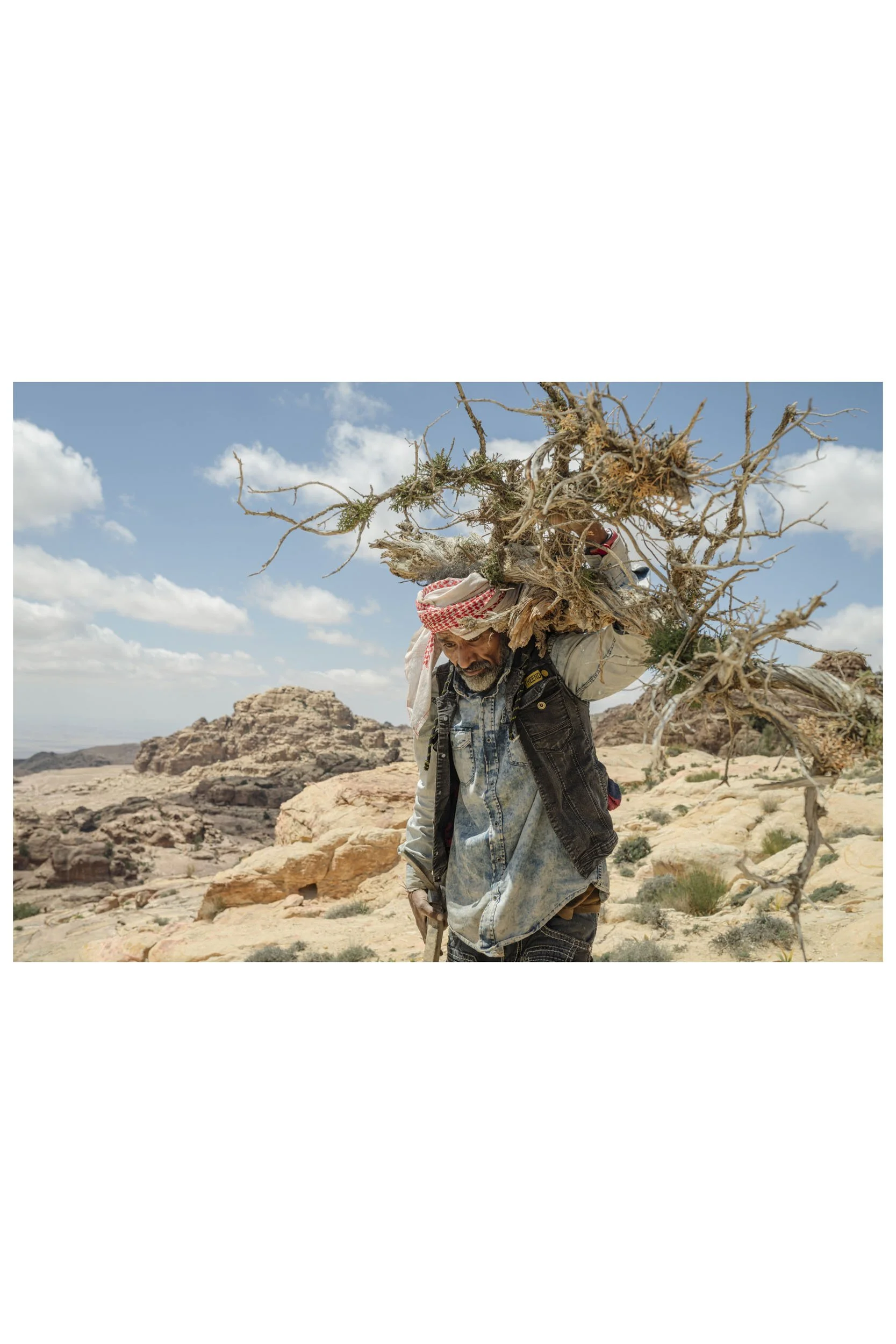
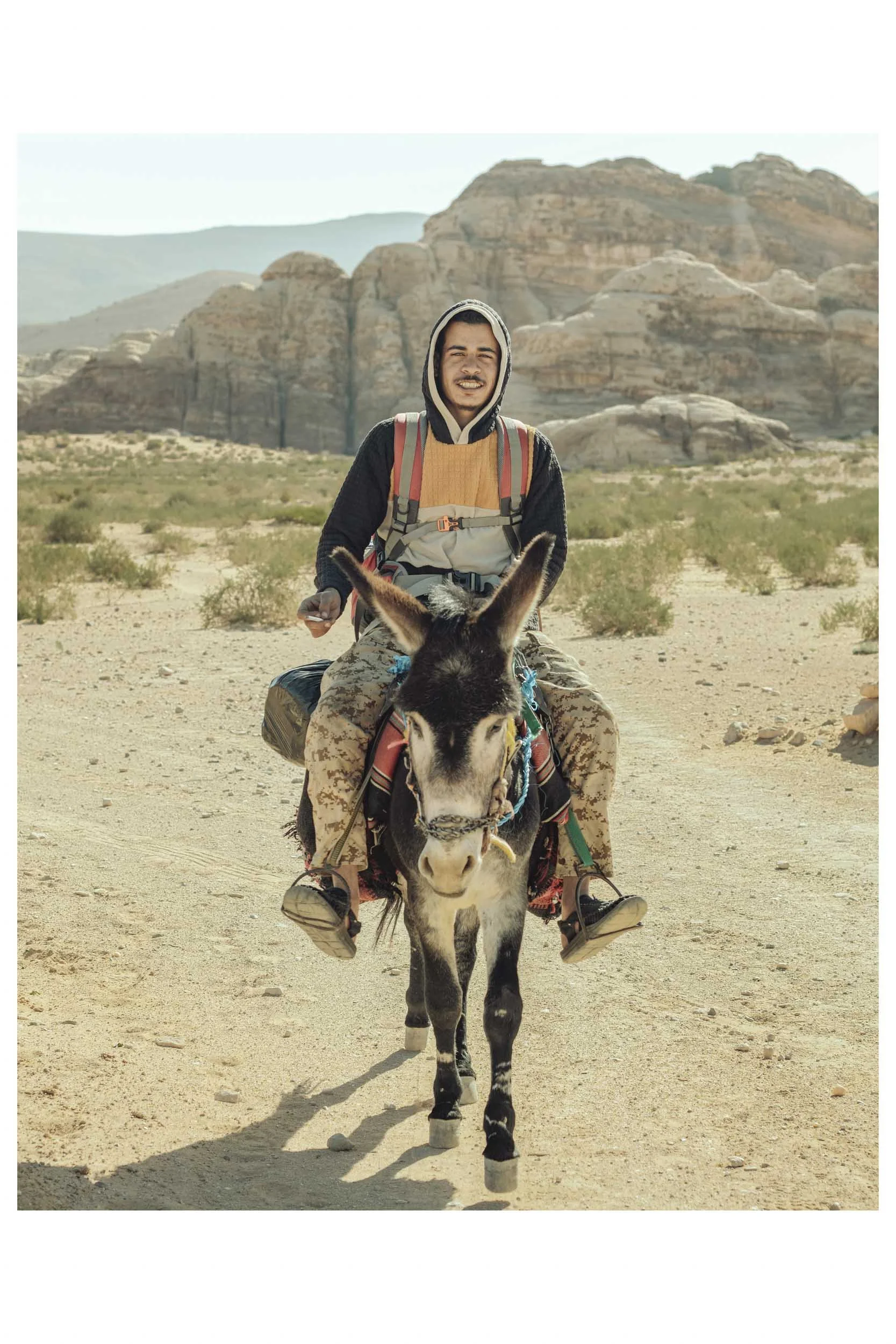
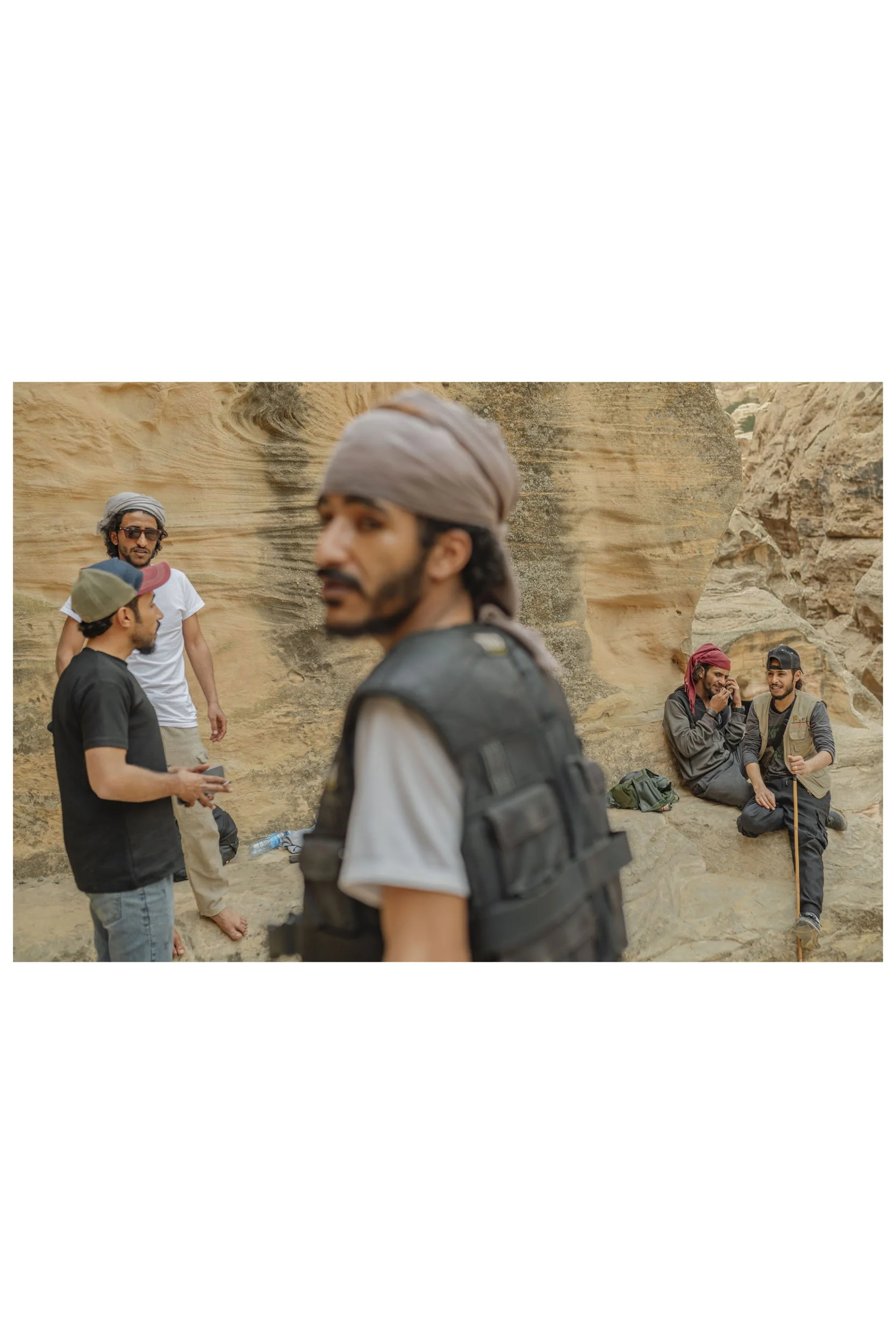
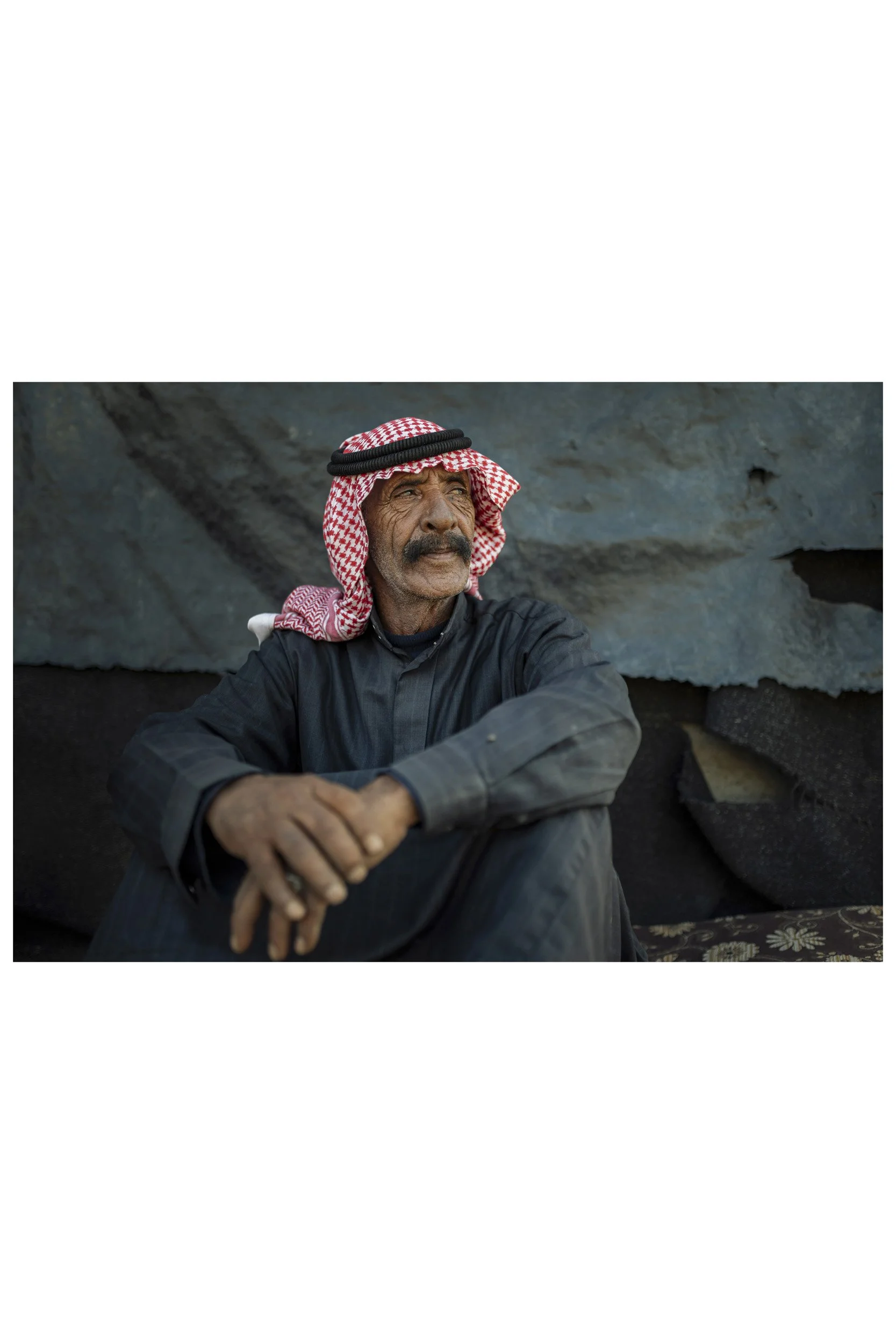
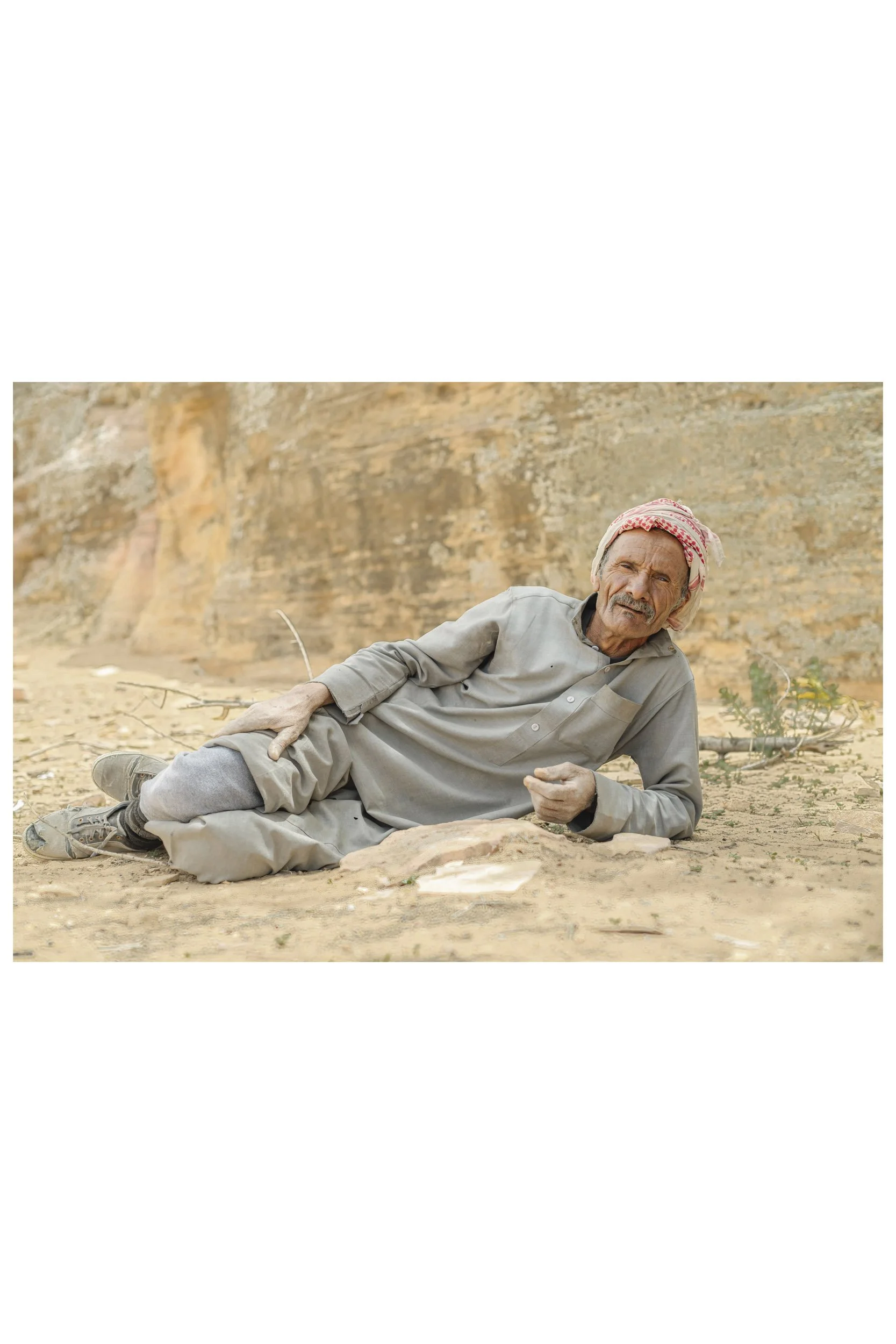
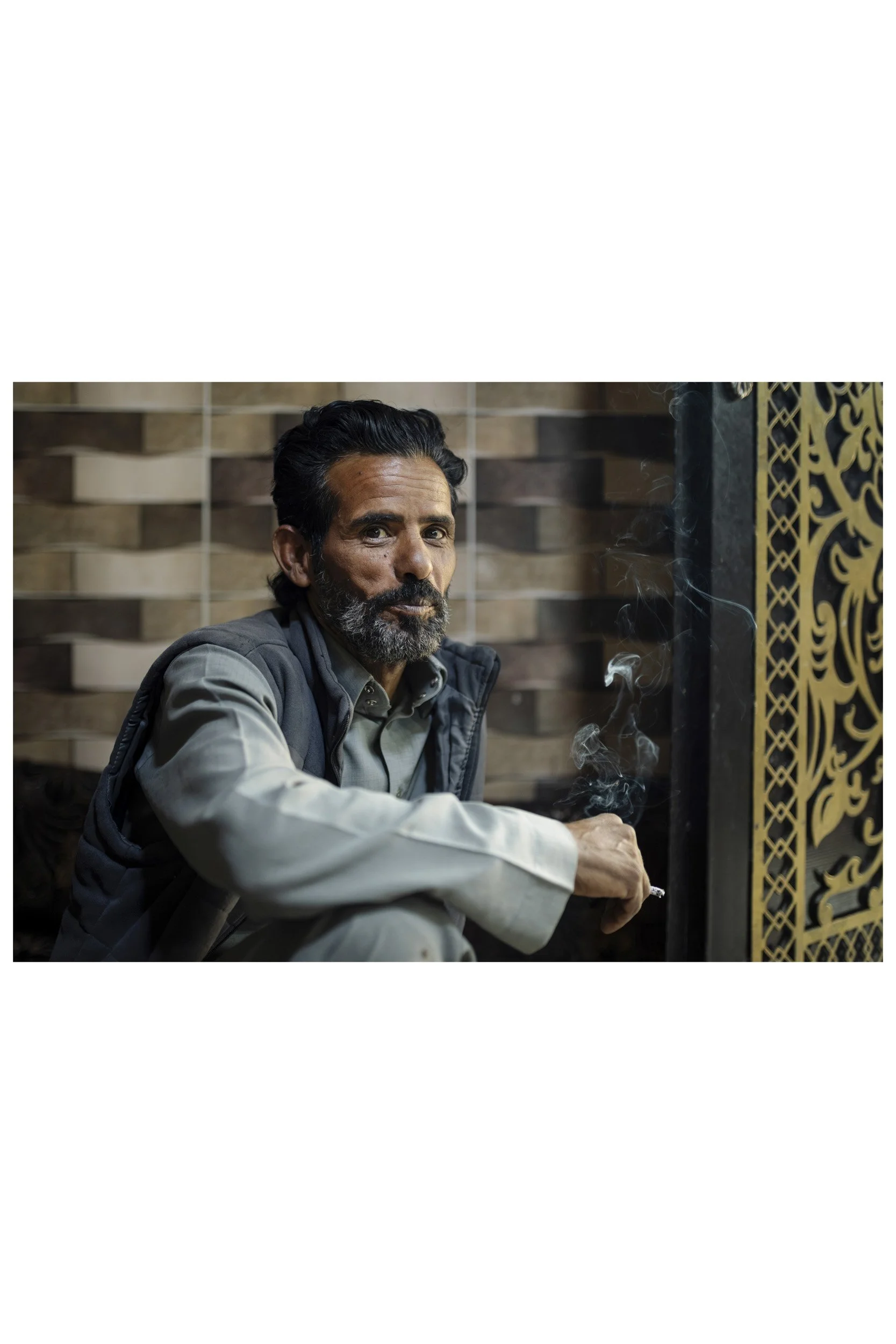
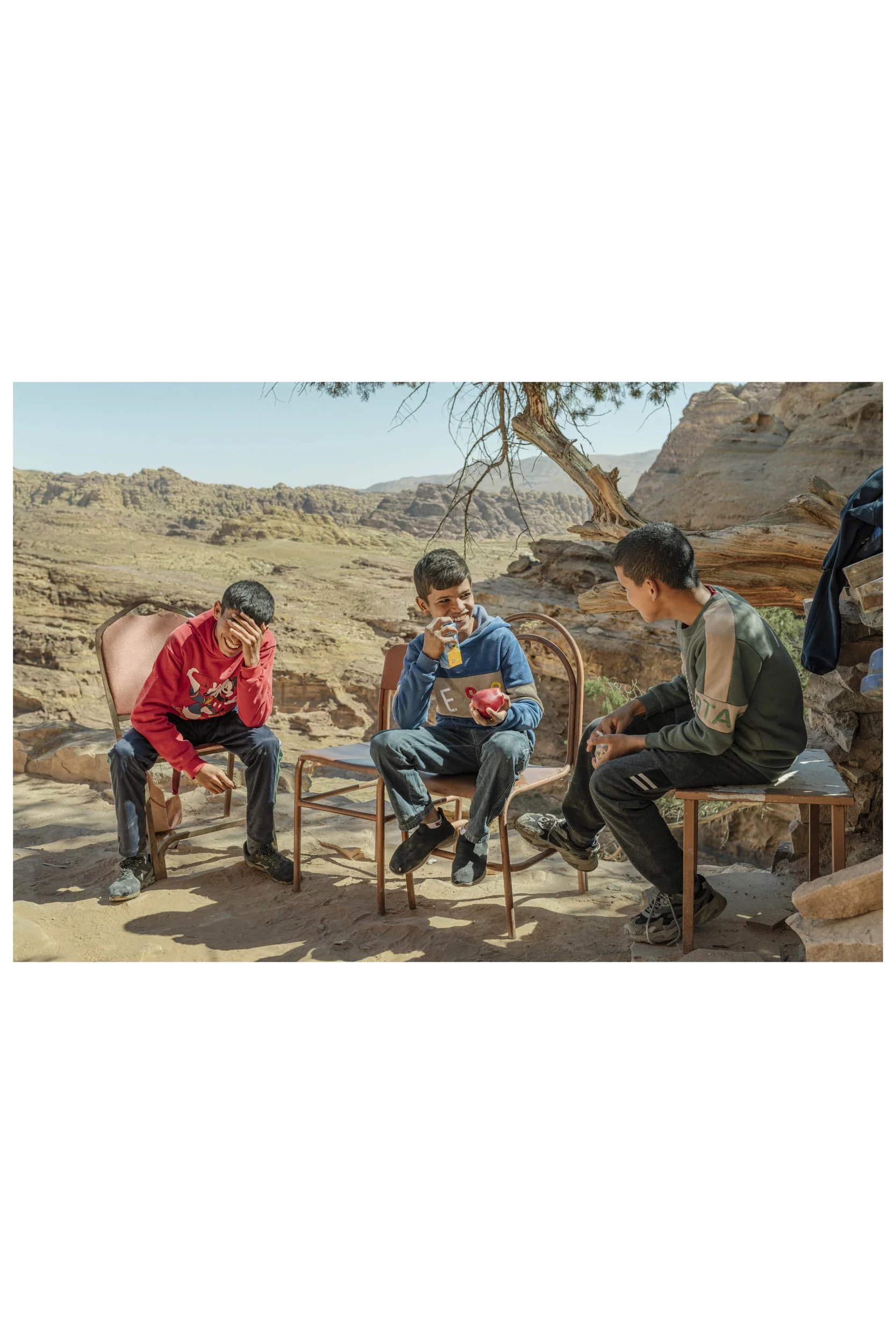
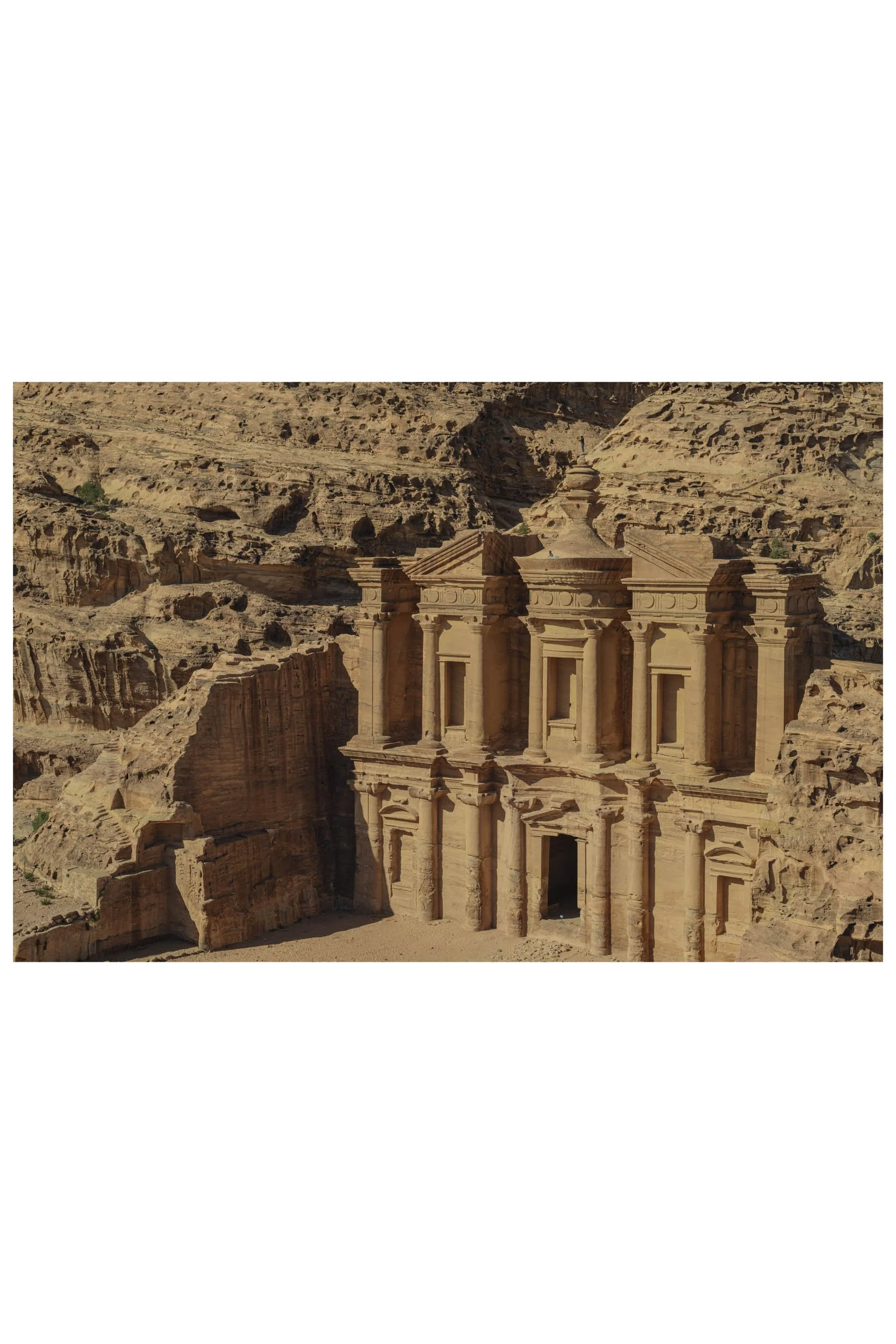
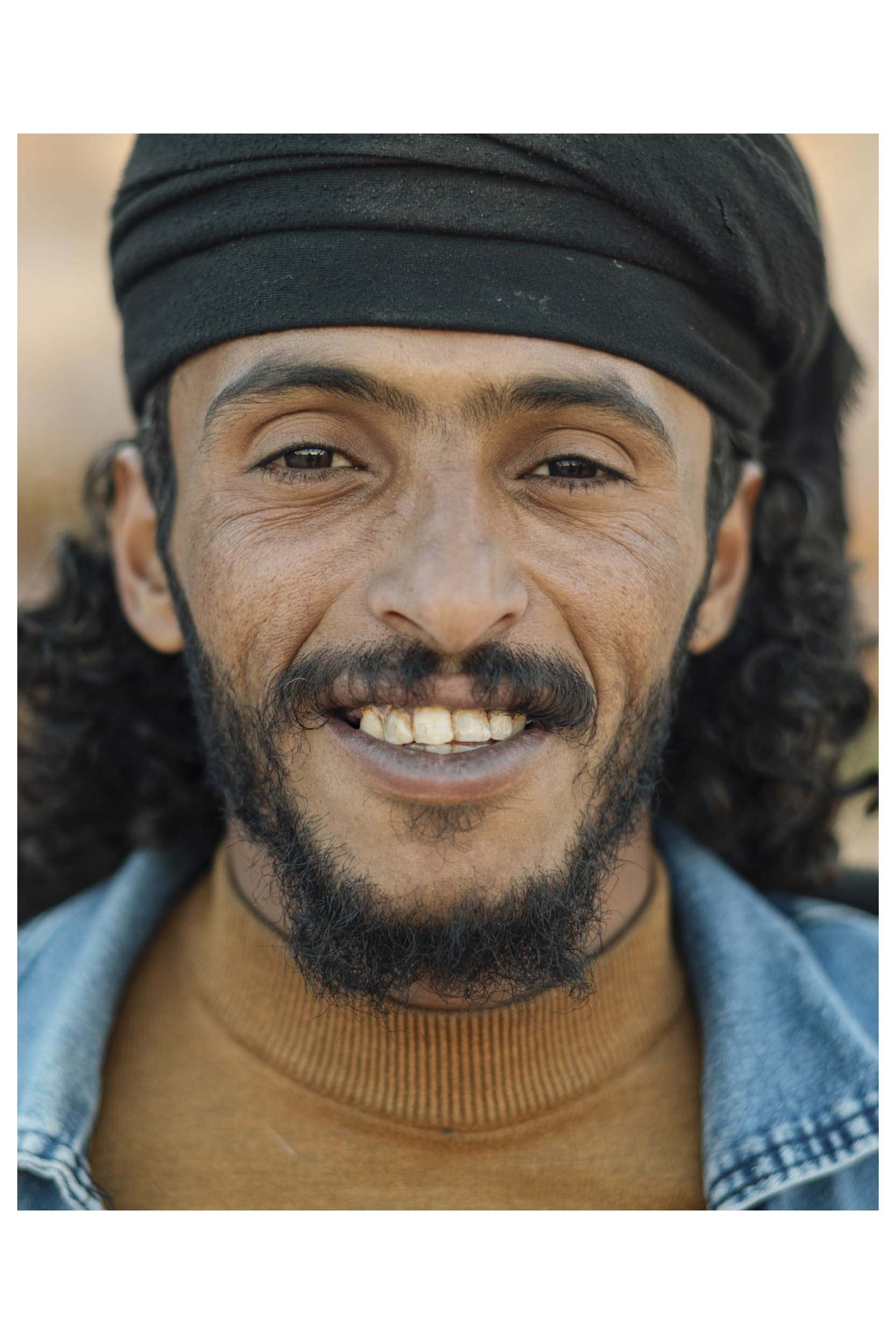
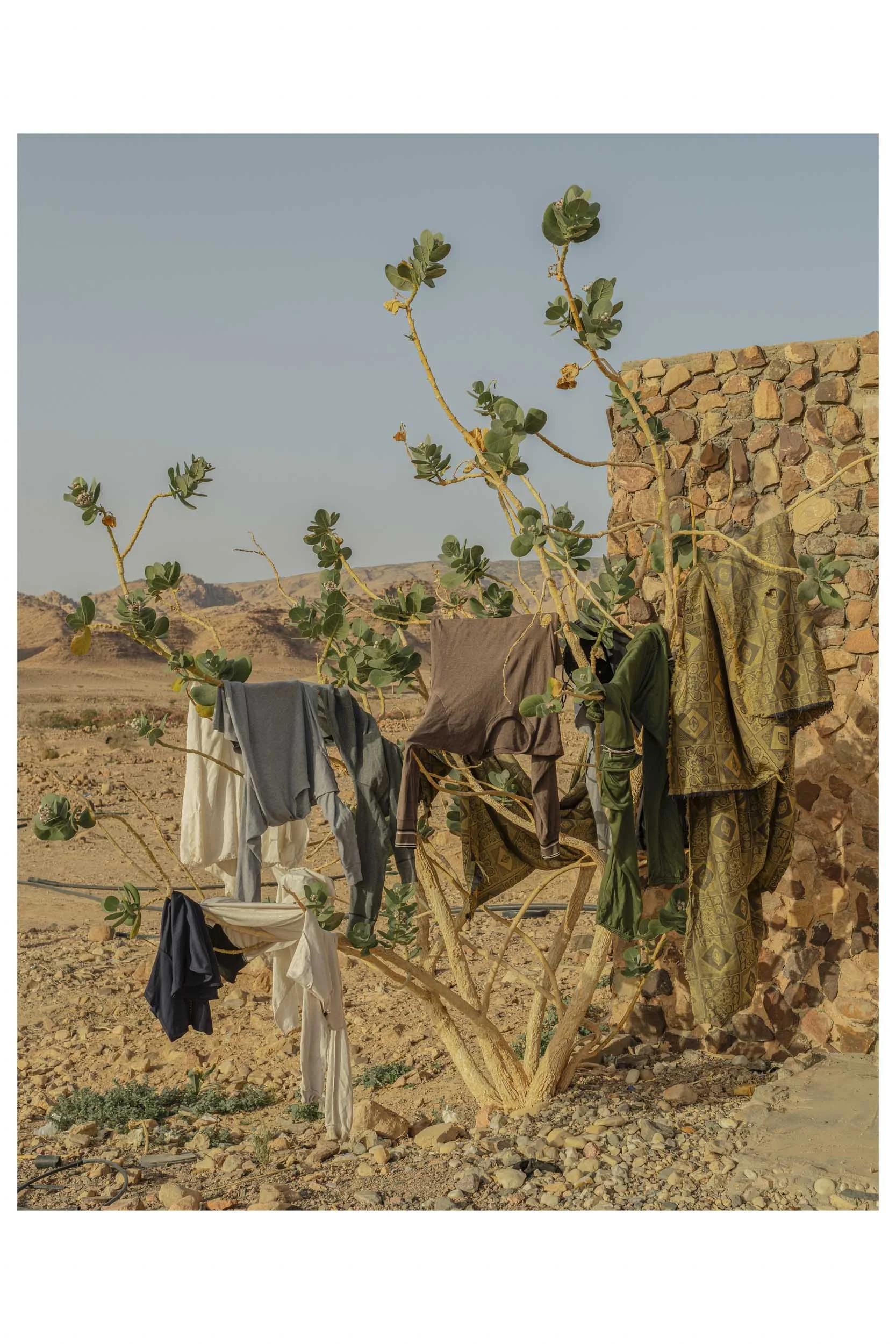
I spent a month in Jordan. Living in a Bedouin village, I got a close-up view of their way of life. Living among them, I learned that the Bdoul Bedouin tribe consider themselves descendants of the Nabataeans, the ancient civilization that built the breathtaking rock city of Petra in the 1st century BC.
I could believe it.
There was something ancient in their eyes.
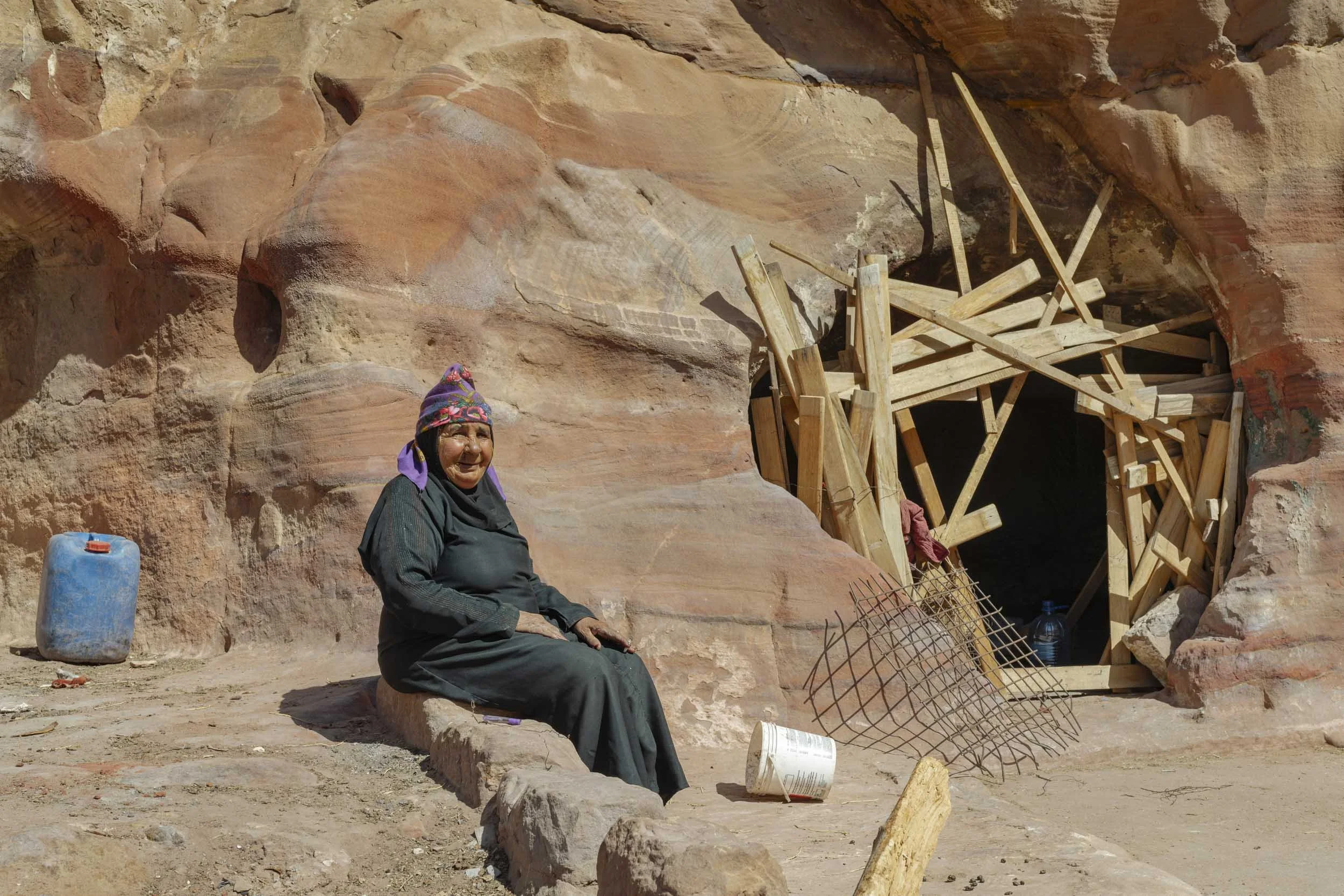
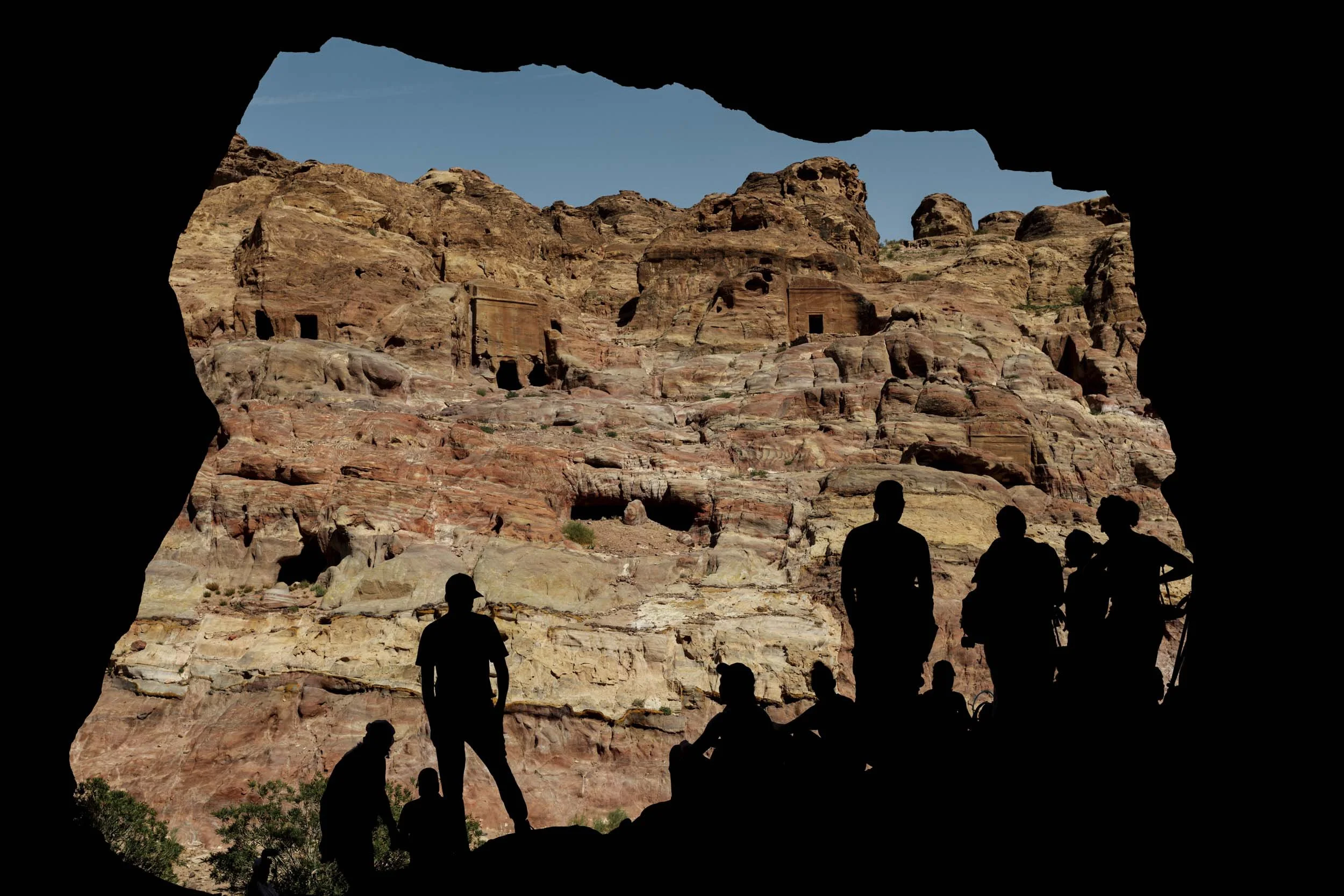
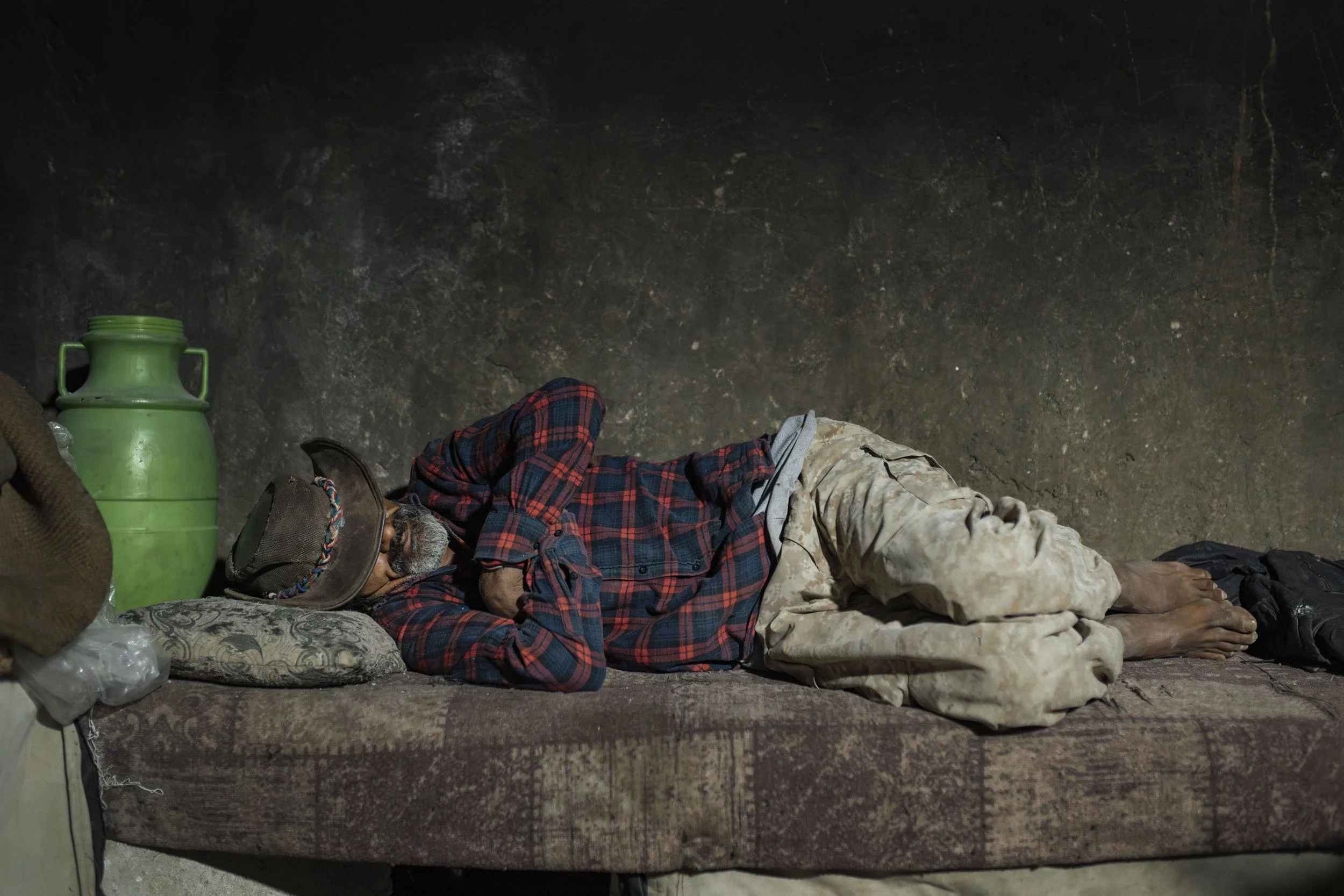
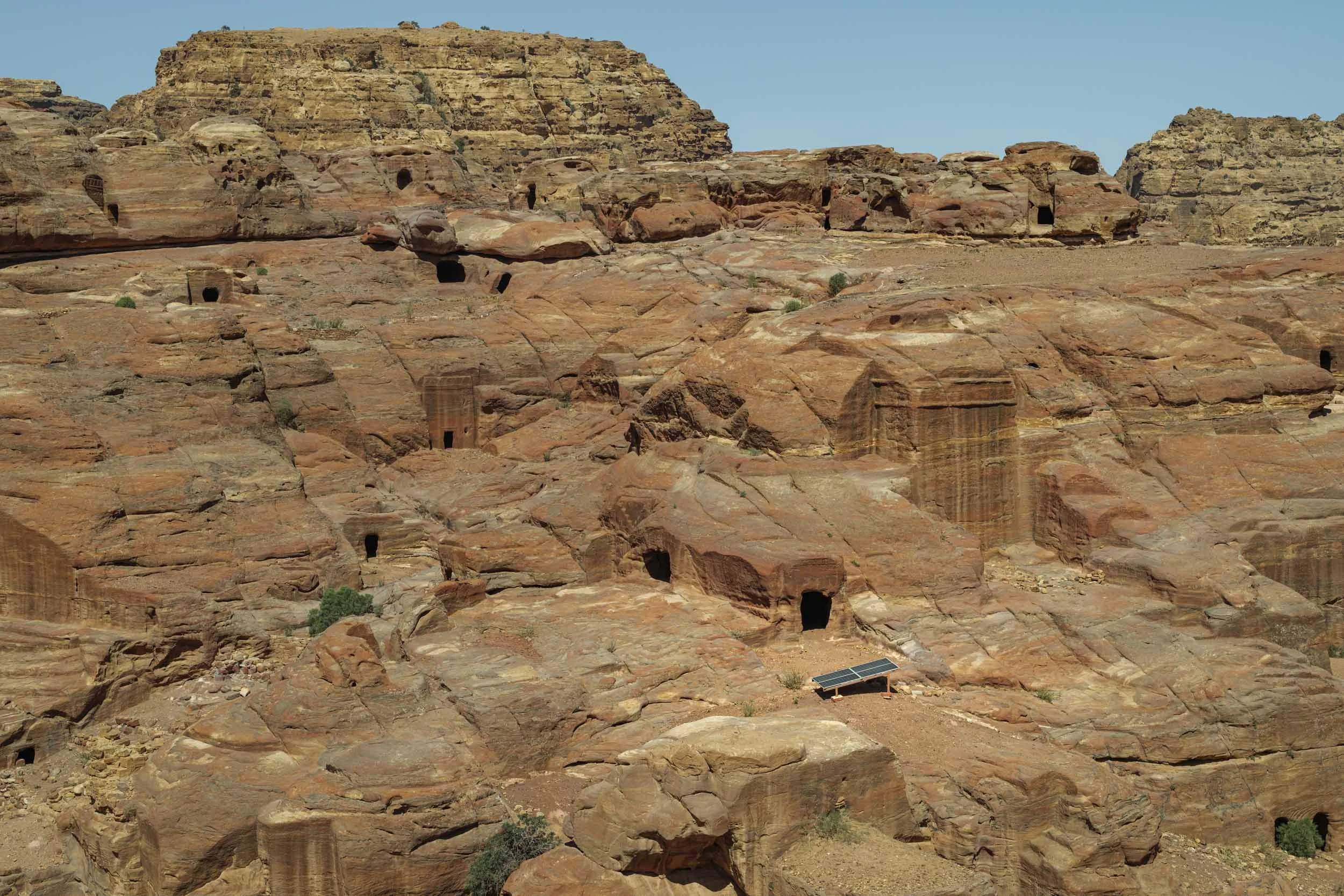
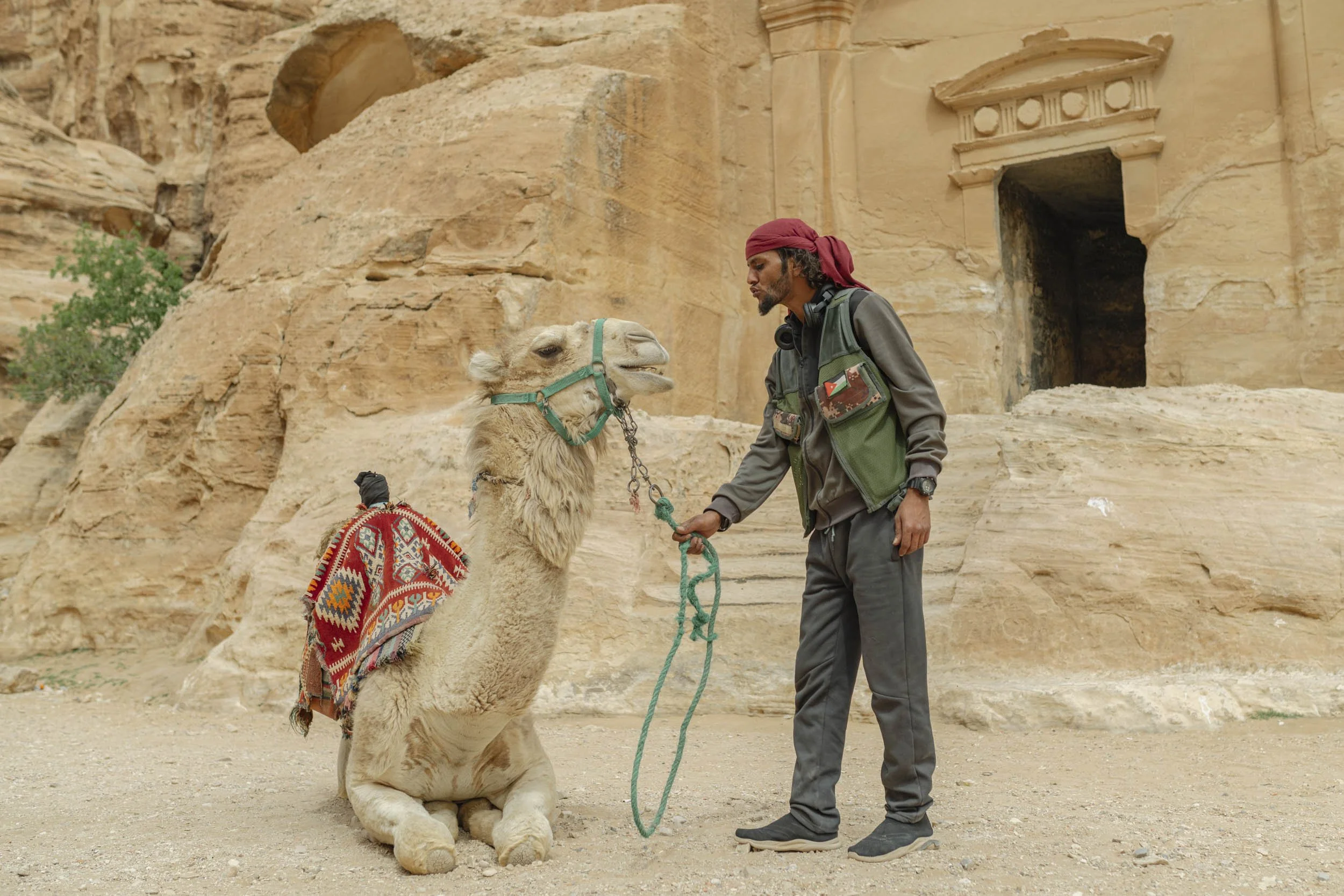
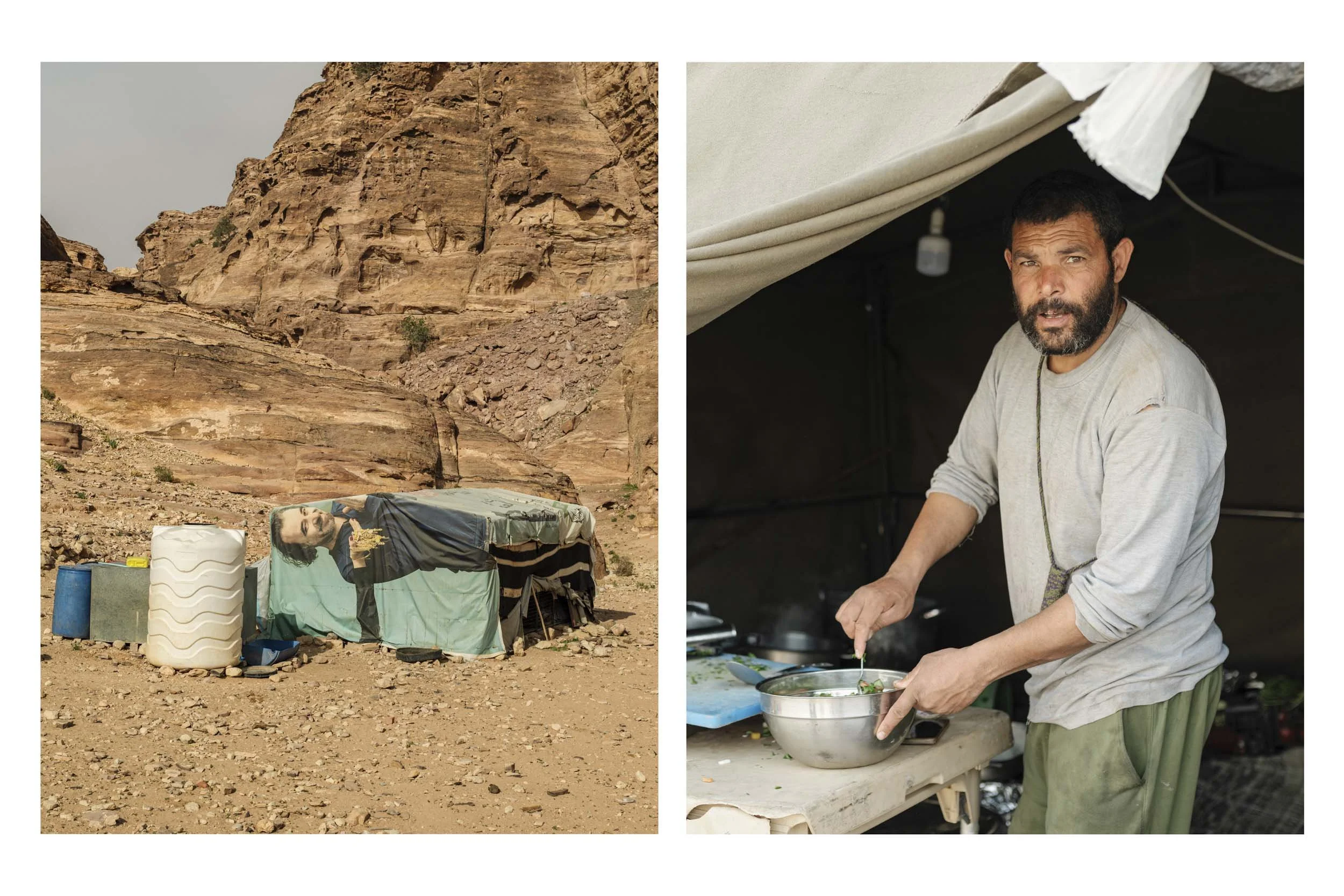
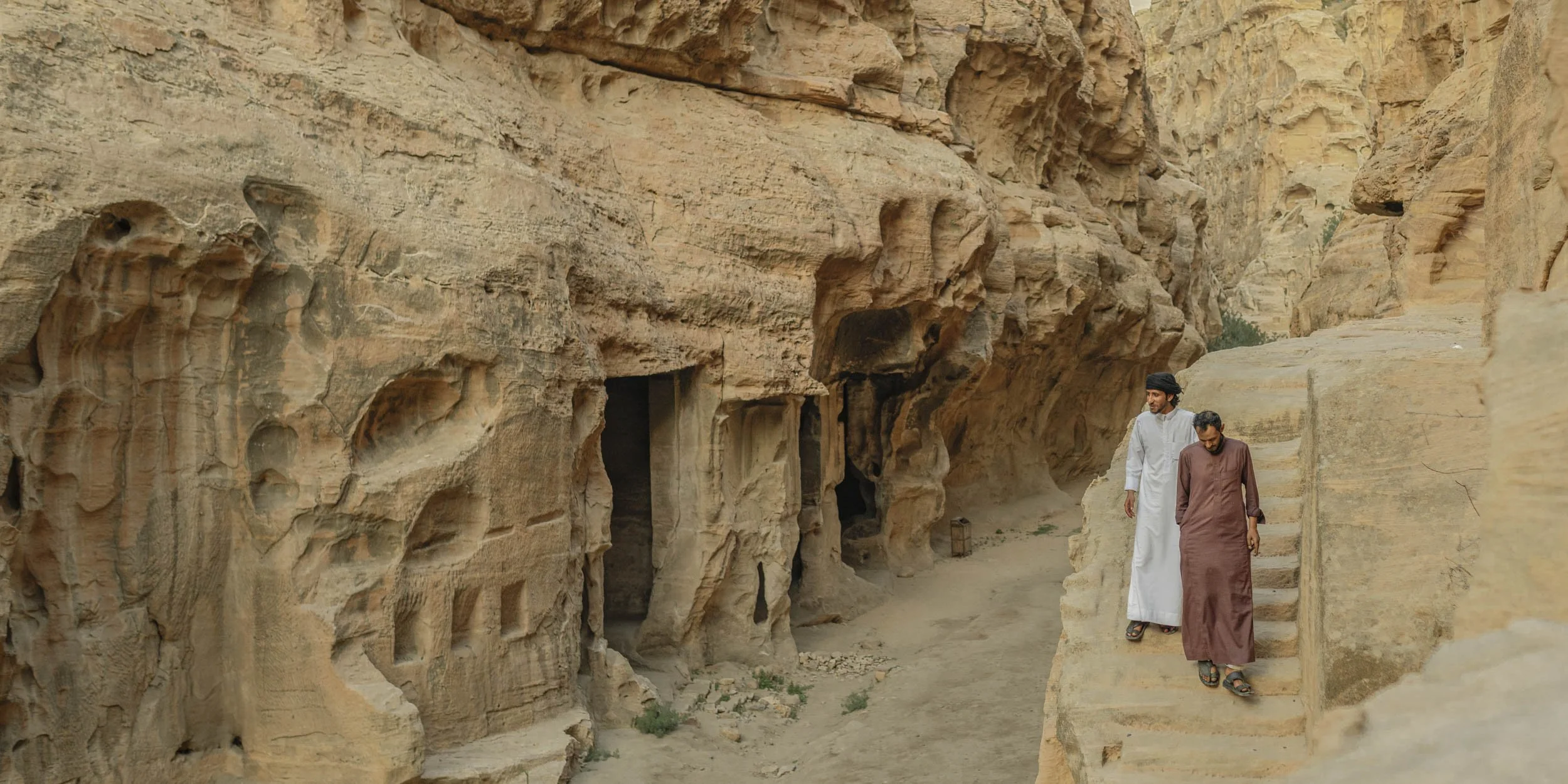
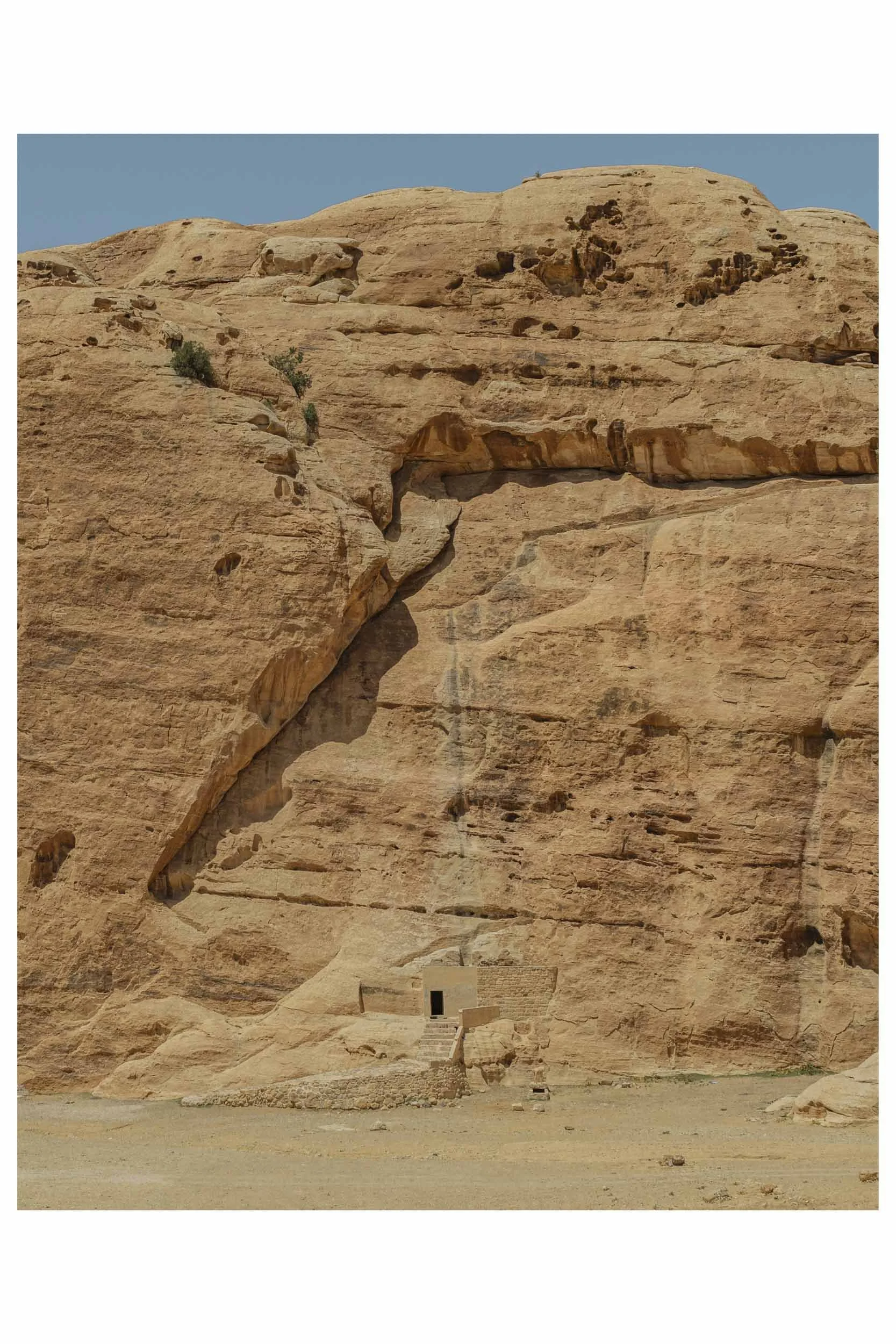
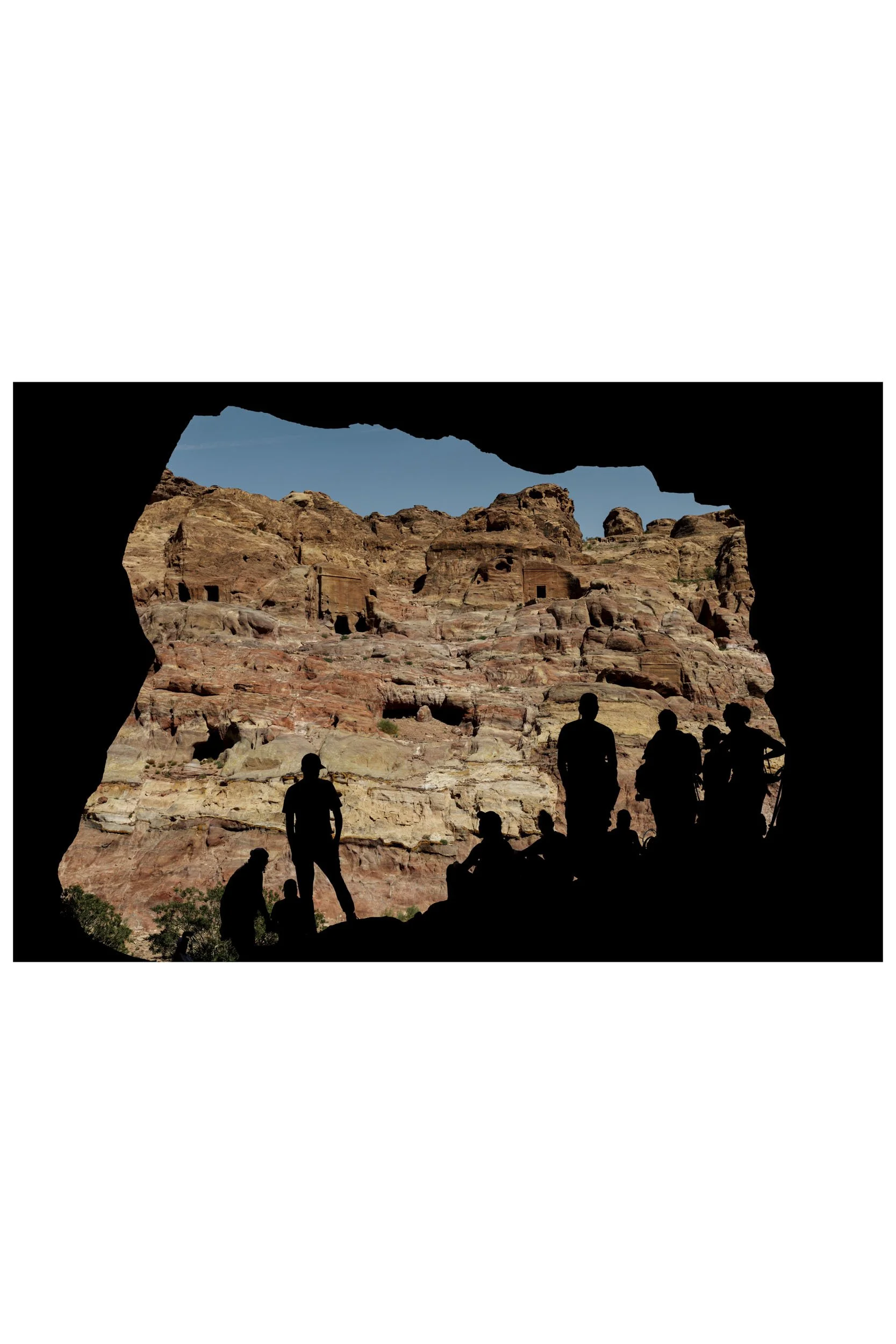
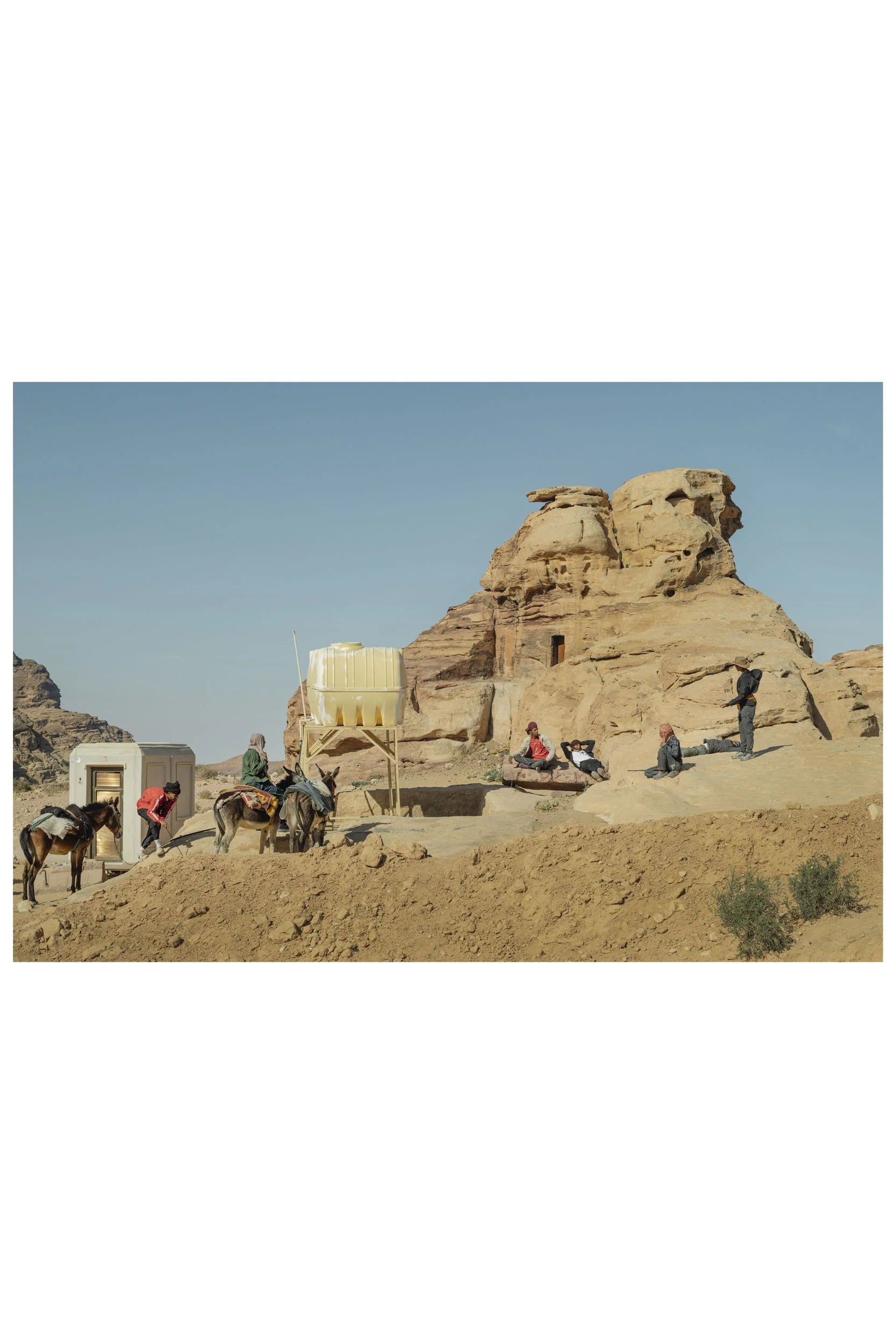
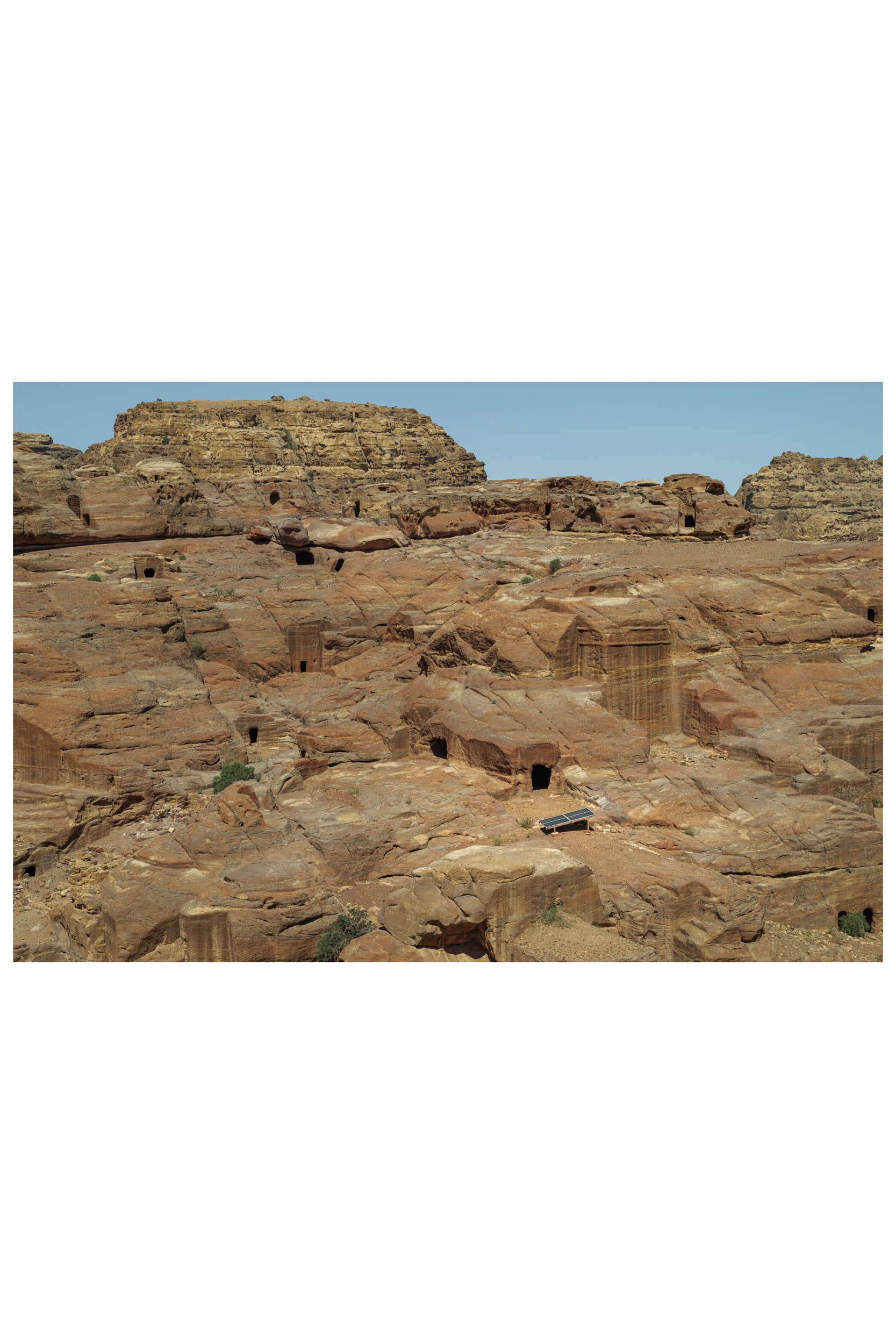
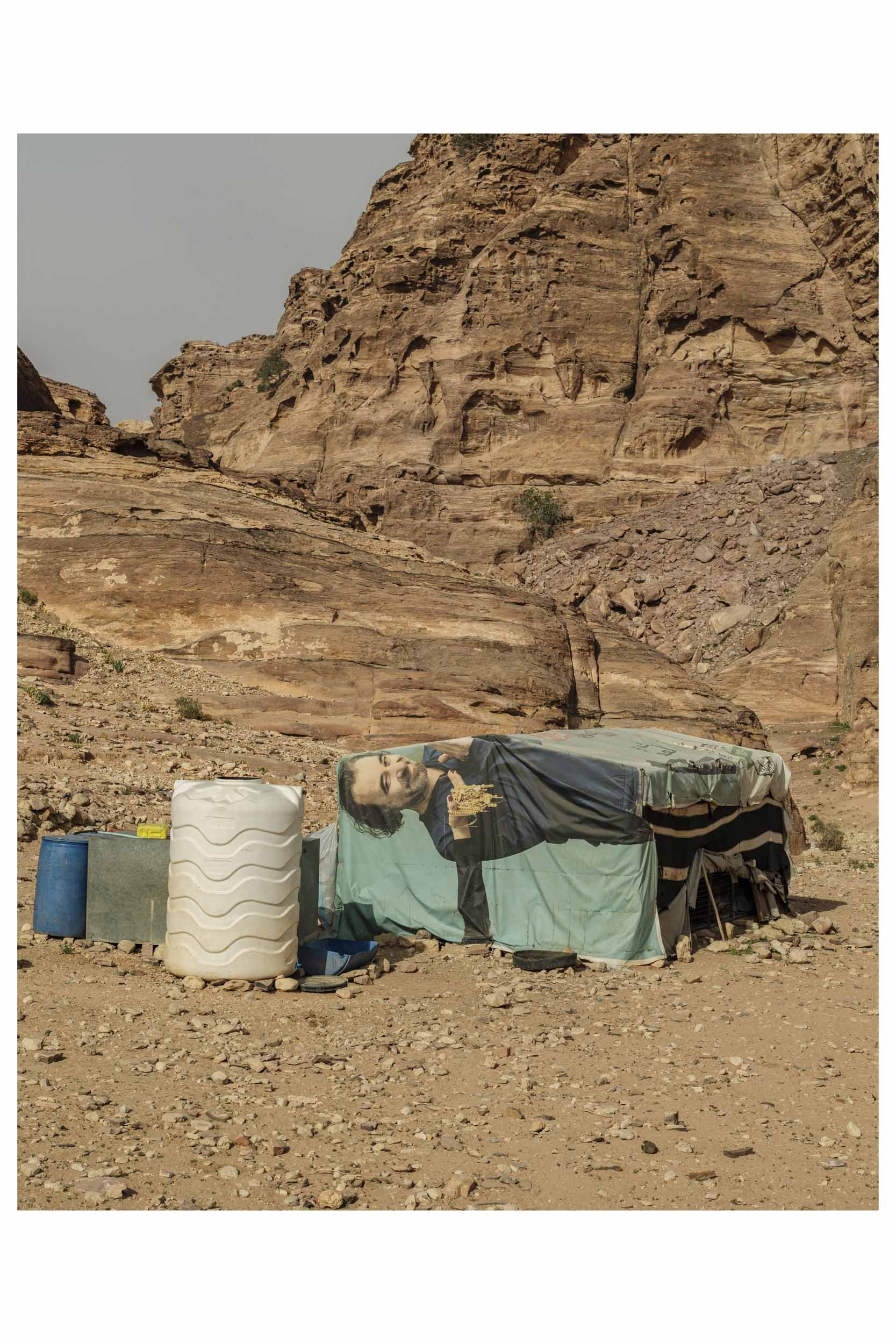
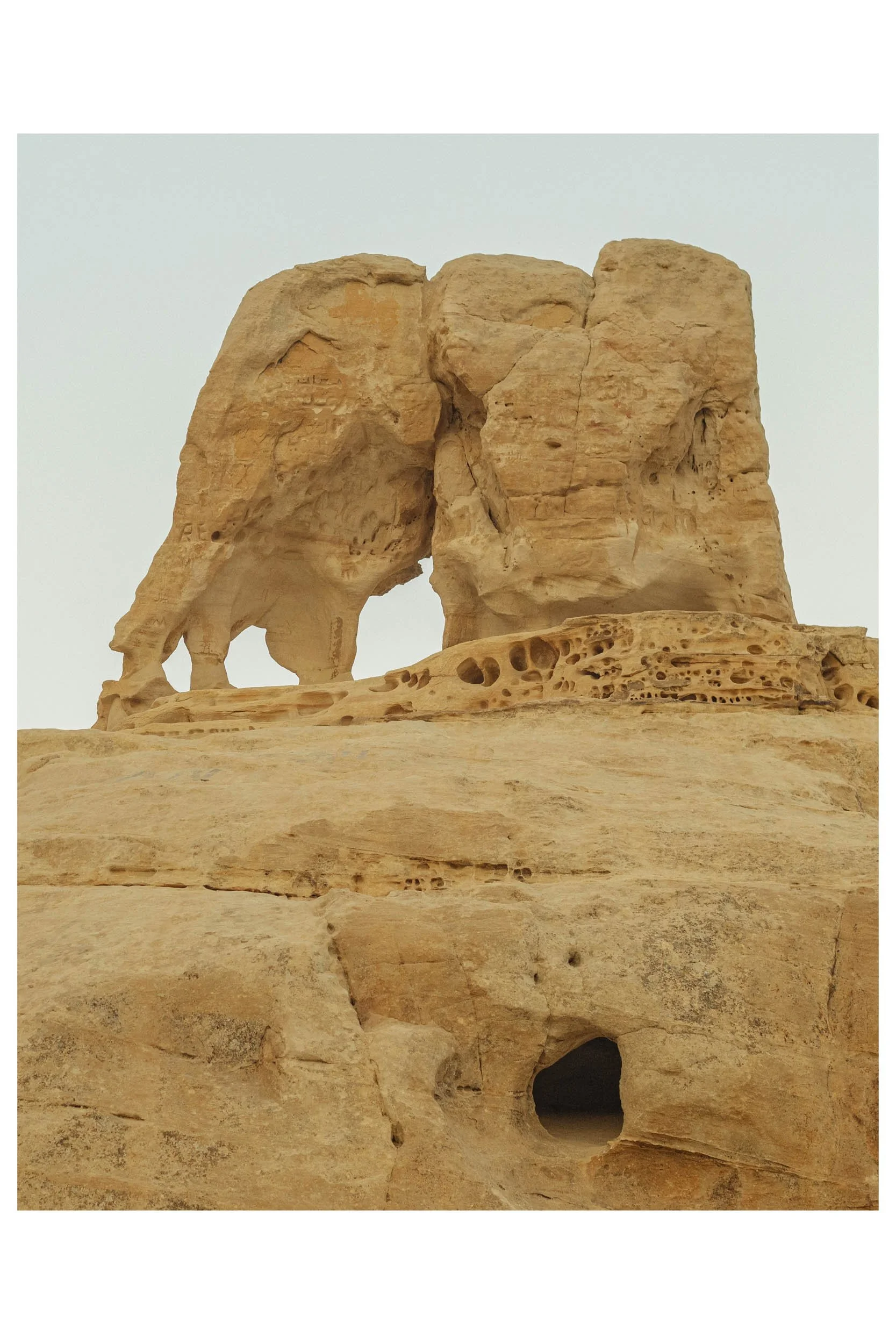
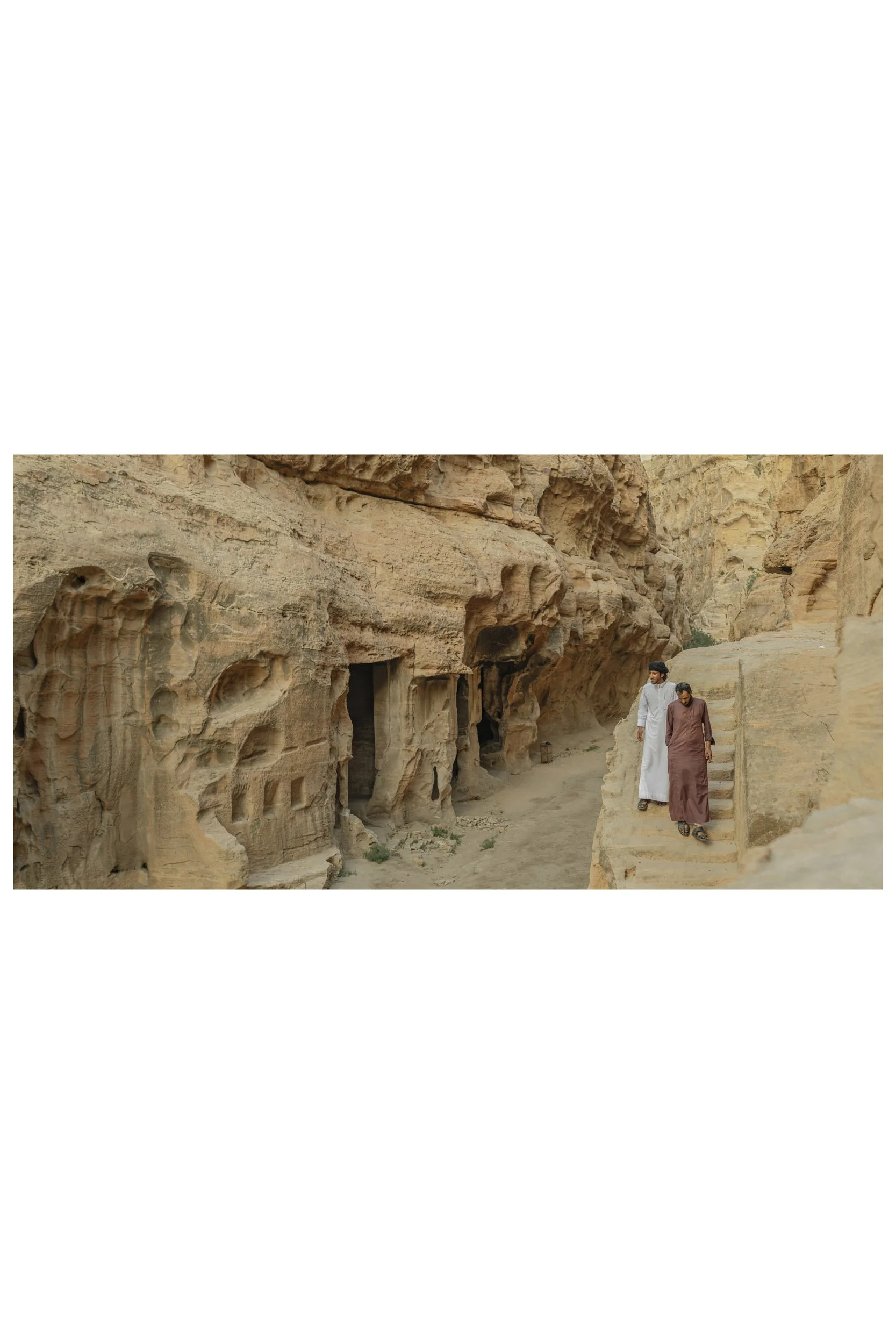
For generations, the Bedouins lived there, carving out homes in caves and tombs where they cooked, kept animals and raised their children.
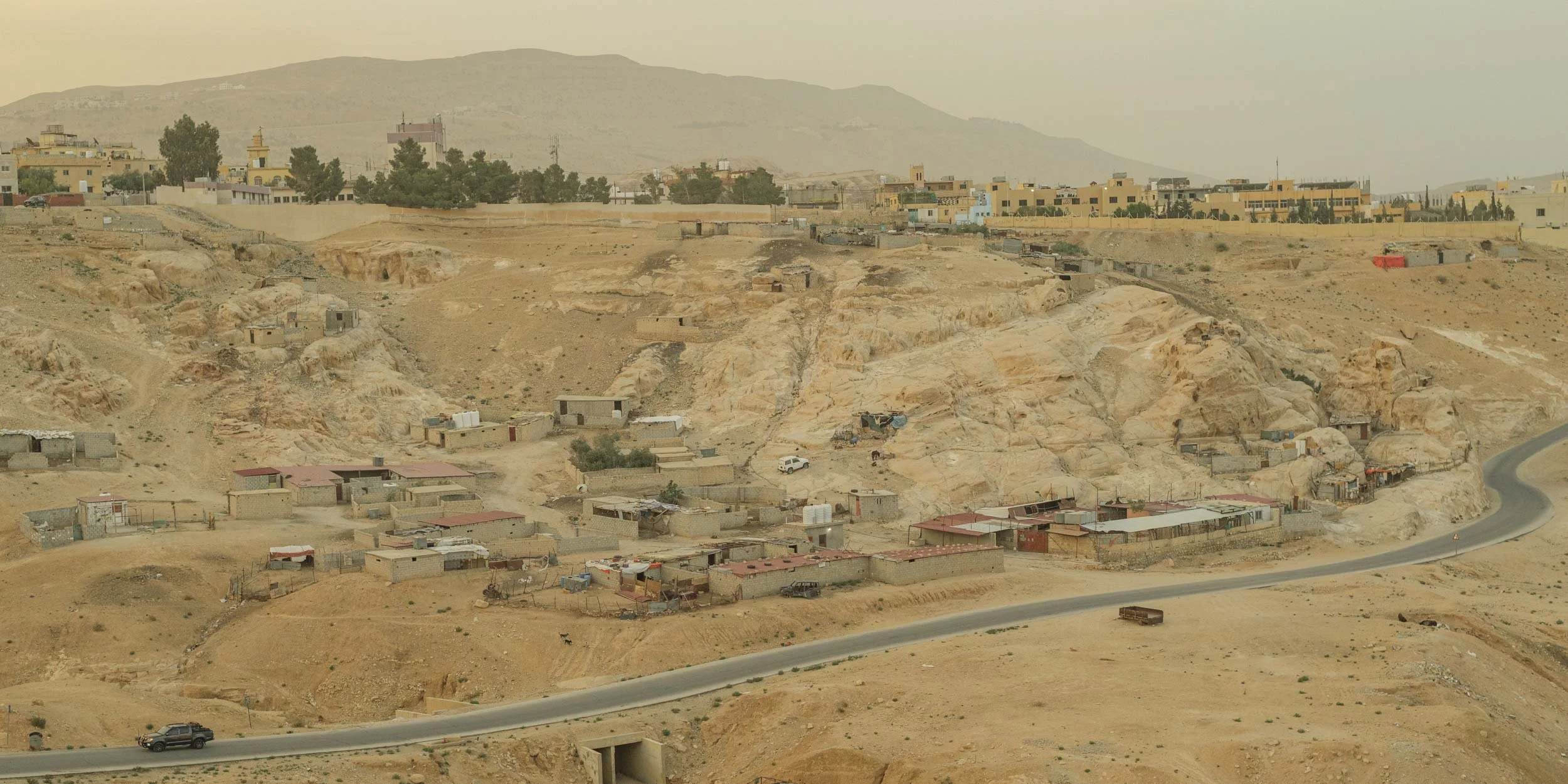
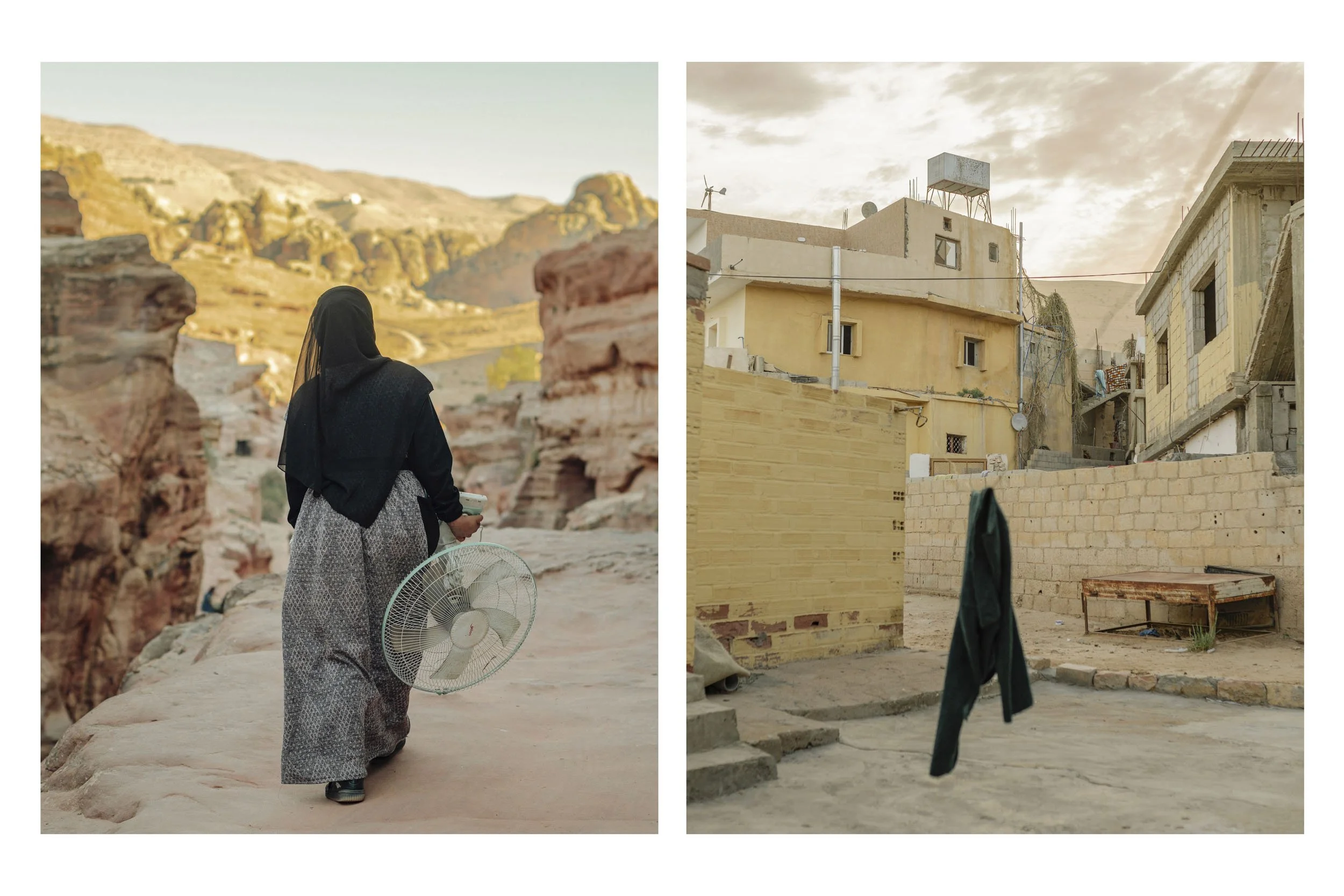
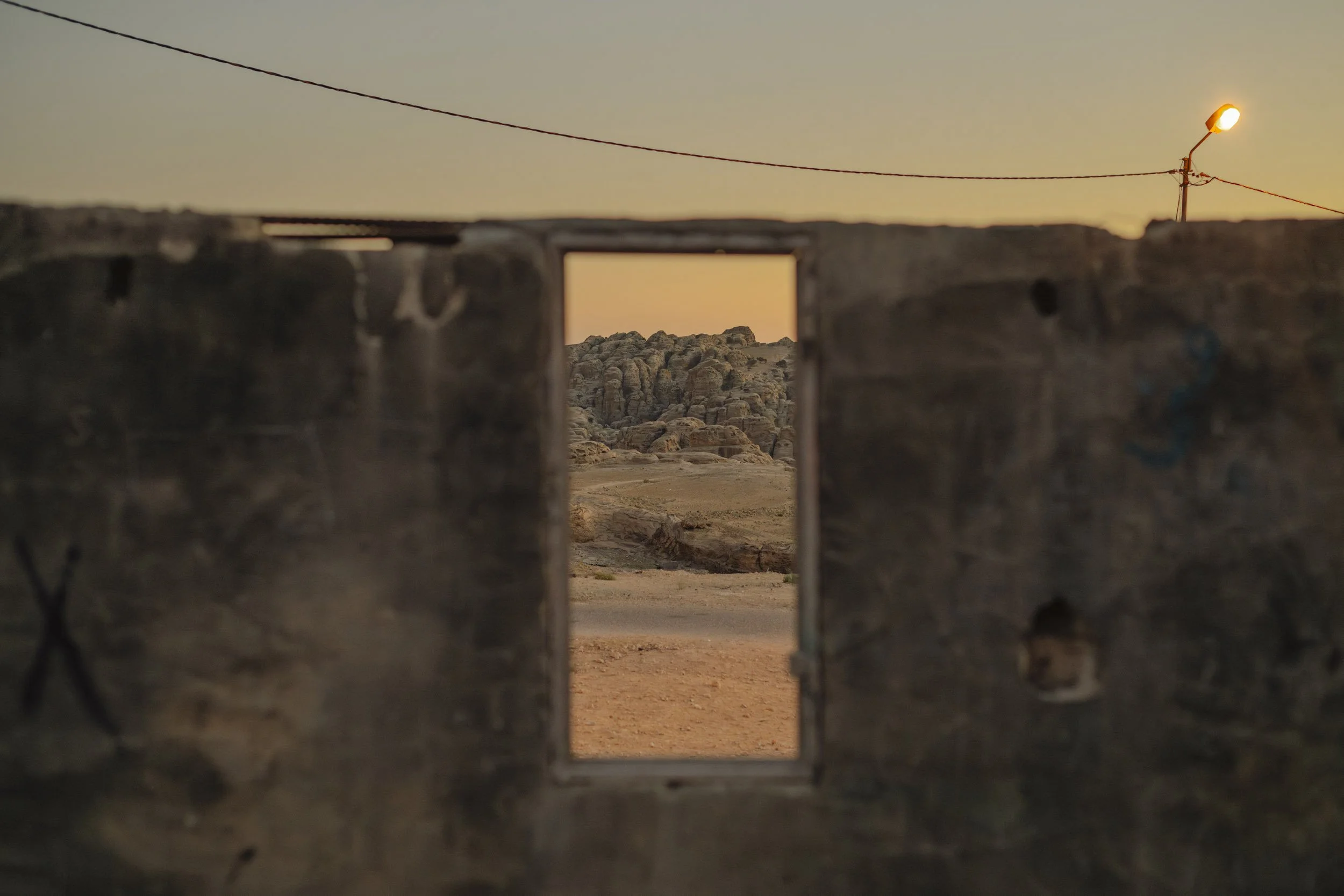
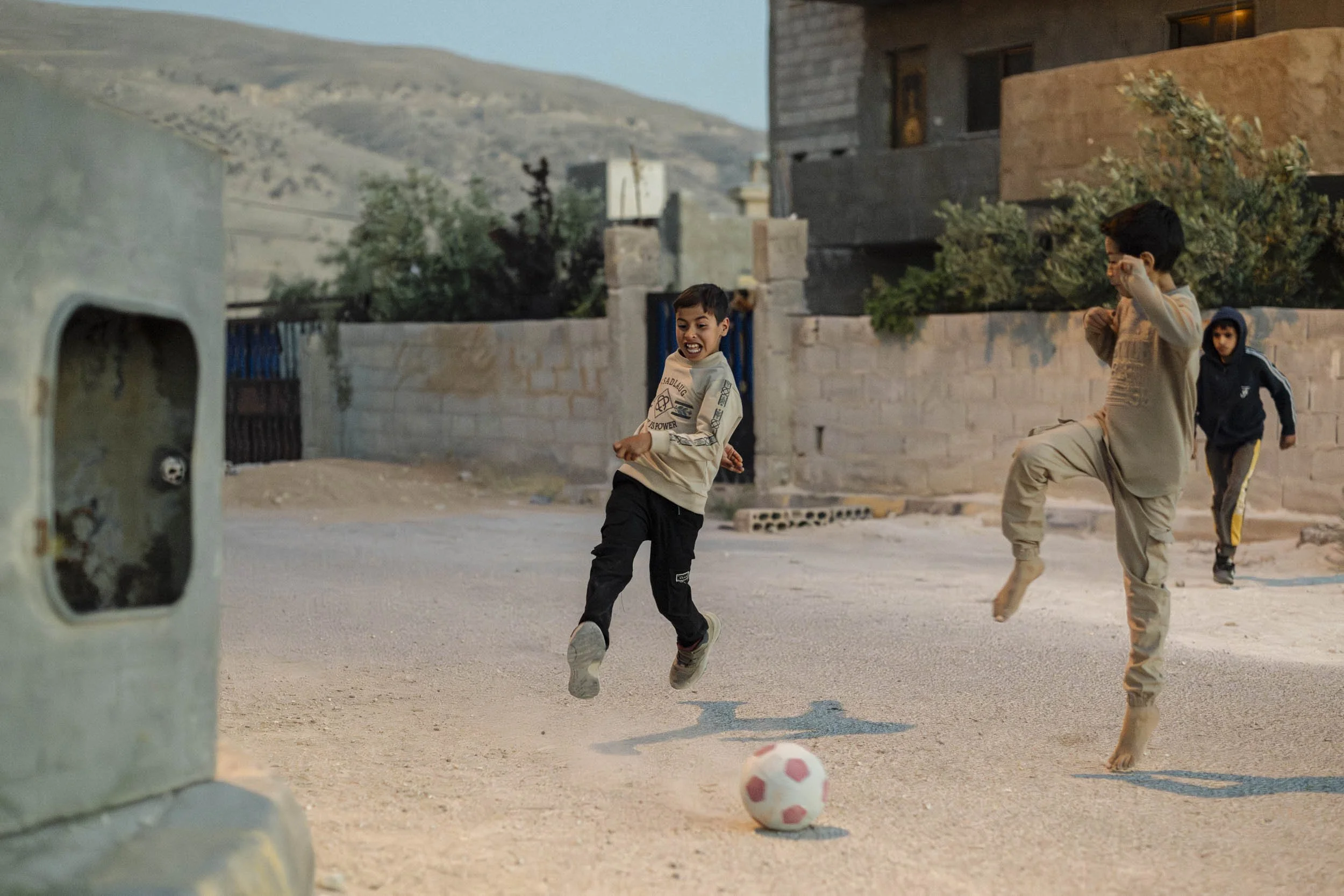
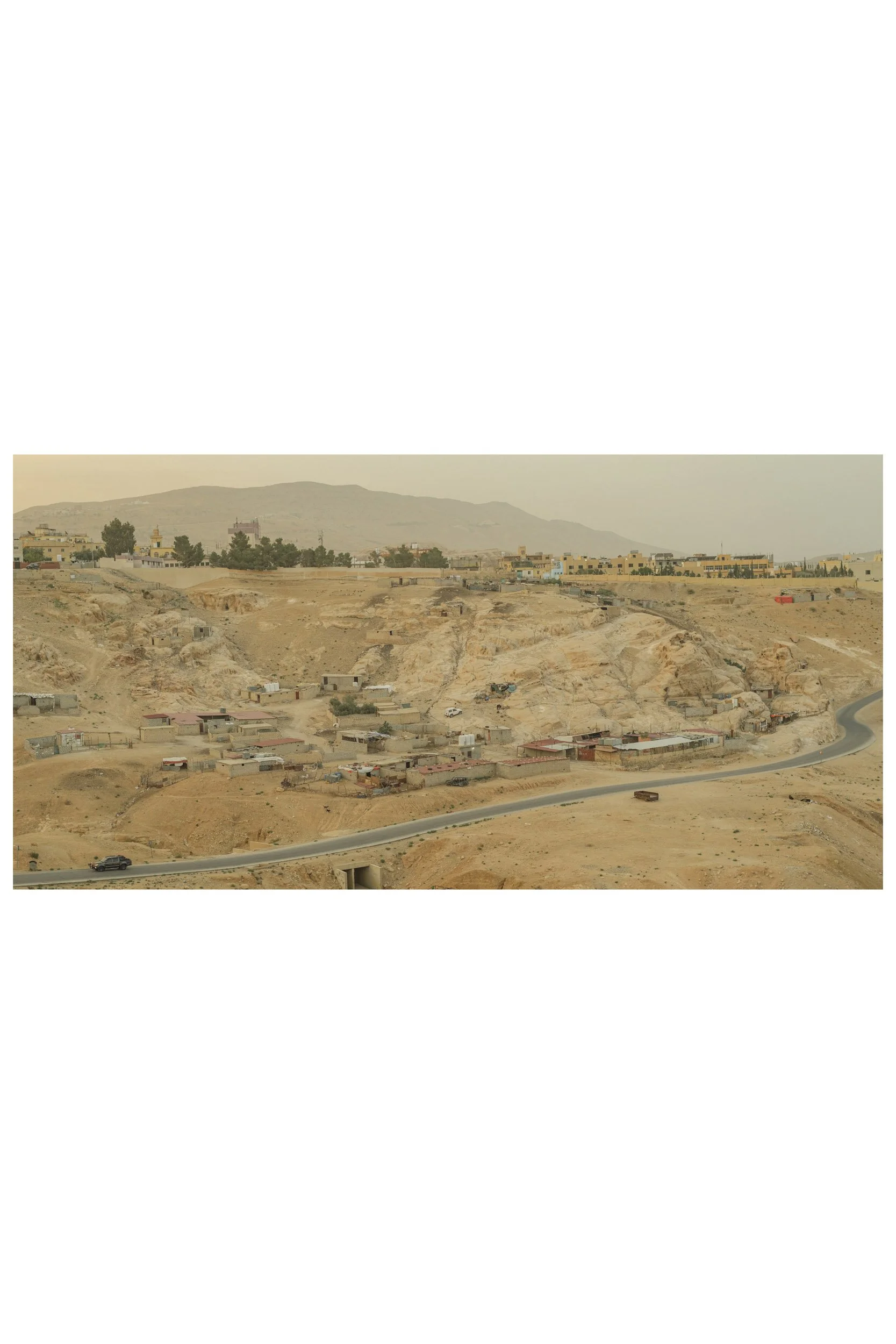
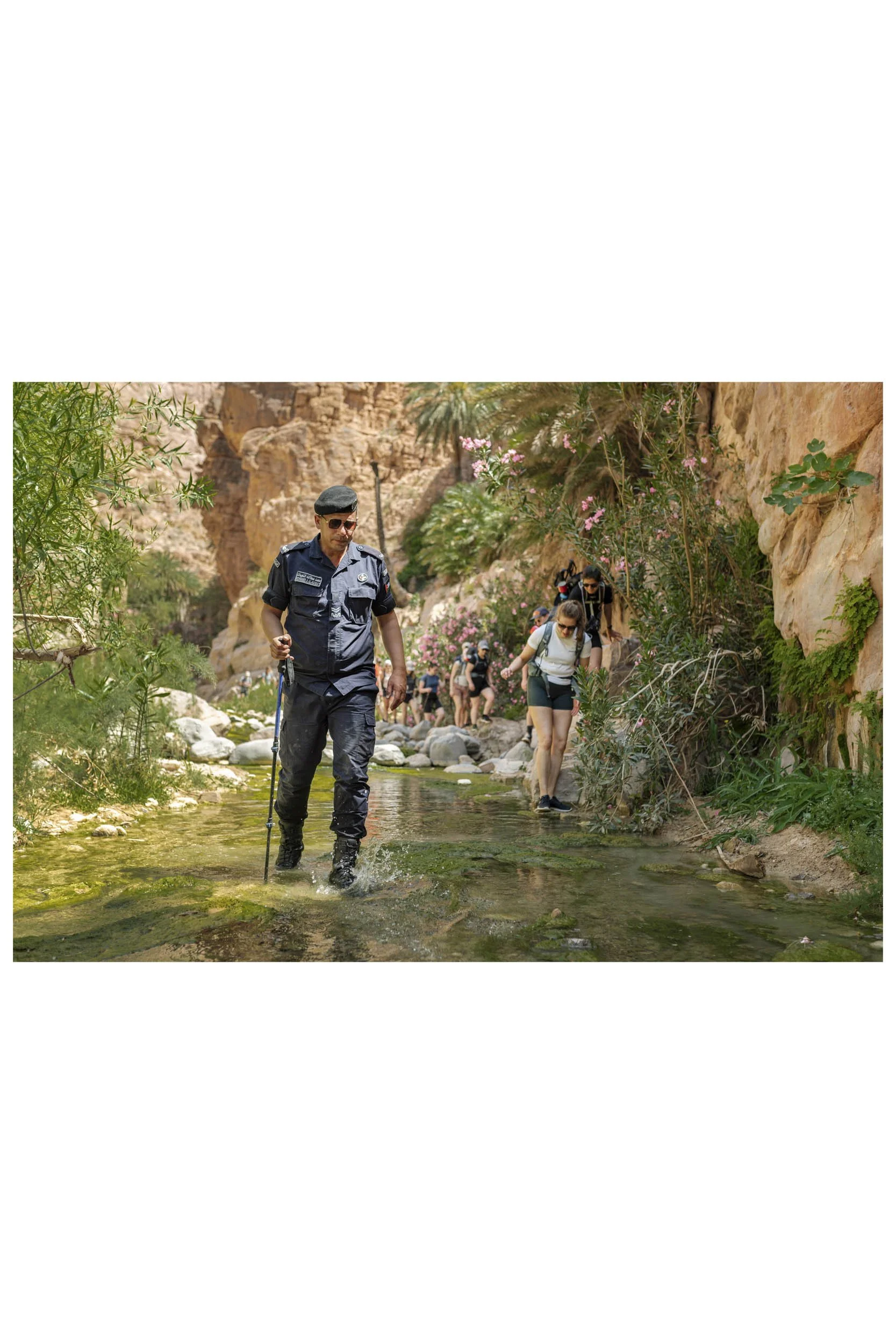
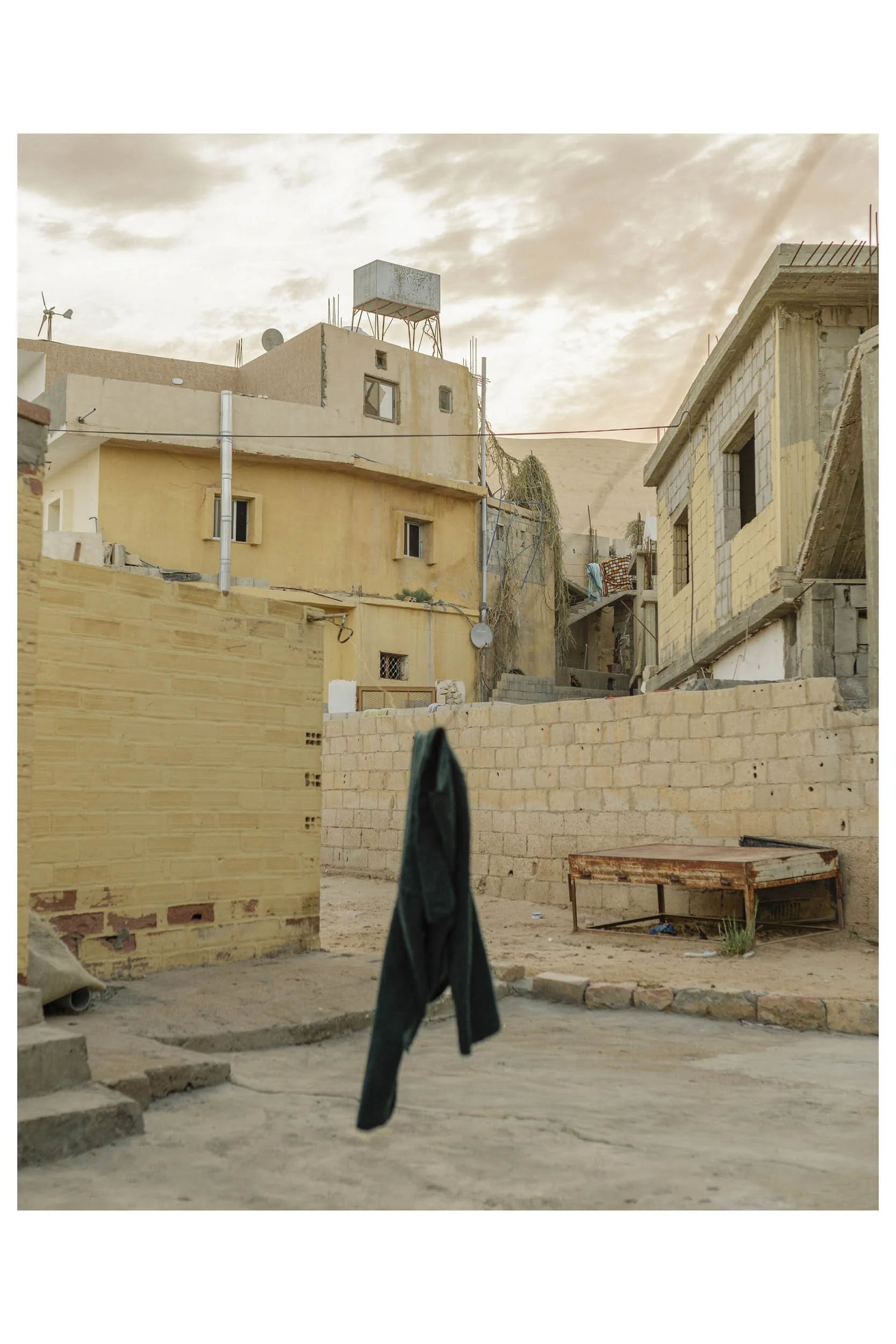
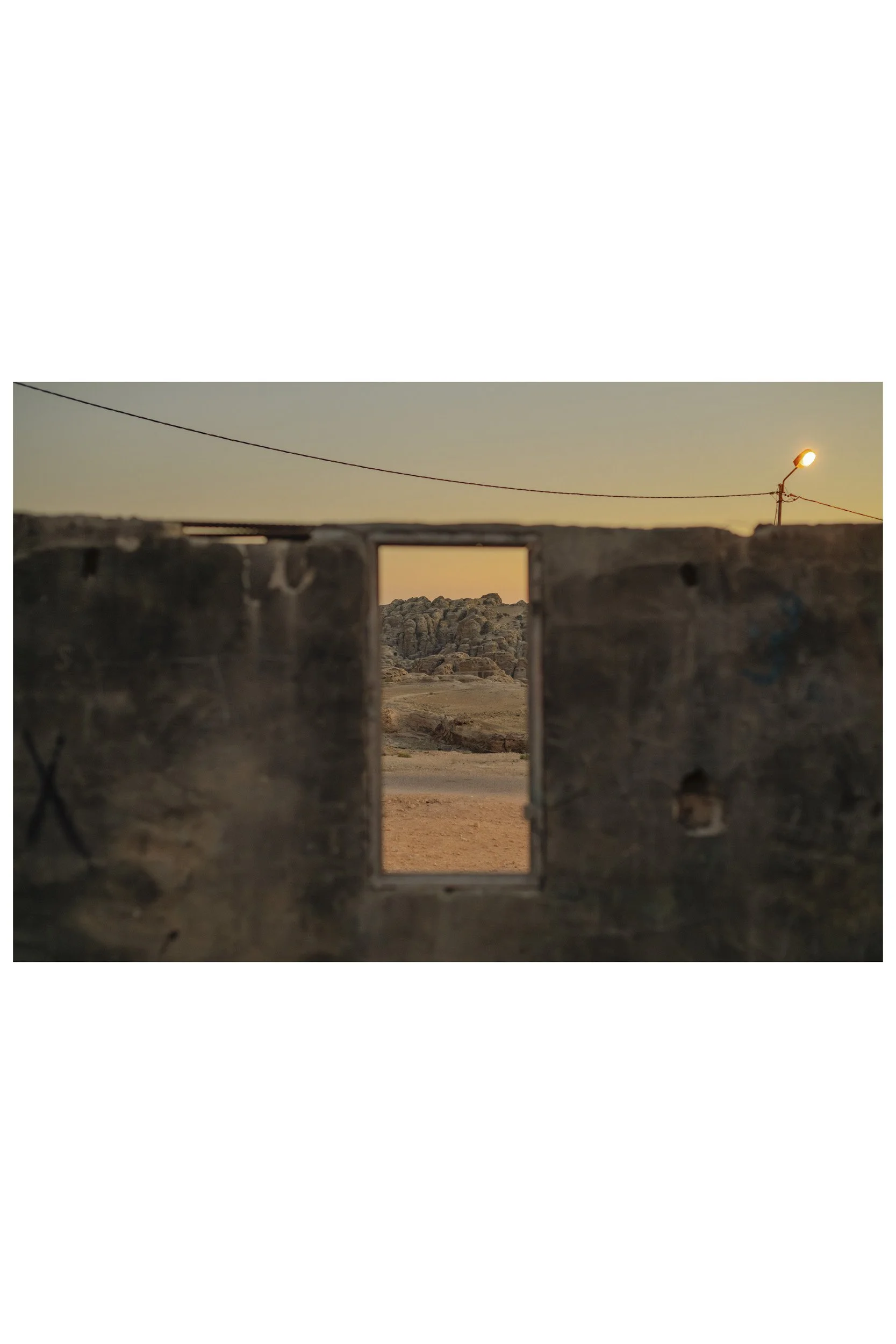
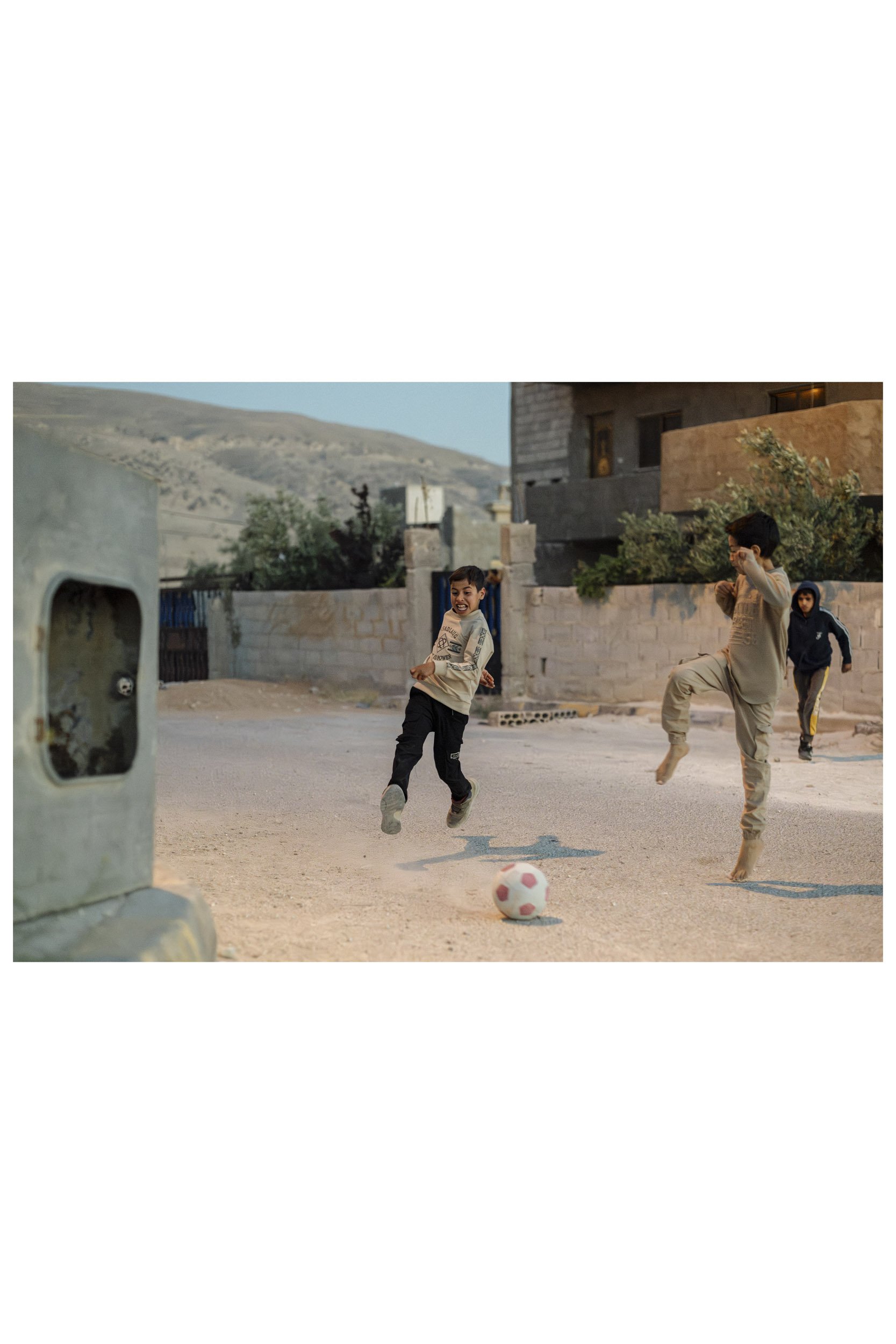
This way of life, however, came into conflict with the interests of the modern state and world heritage tourism in 1985, when Petra was declared a UNESCO World Heritage Site. Citing preservation concerns, Jordanian authorities evicted the Bdoul community and relocated them to a man-made village called Umm Sayhoun. There, they were placed in concrete houses, often against the community’s will and traditional lifestyle.
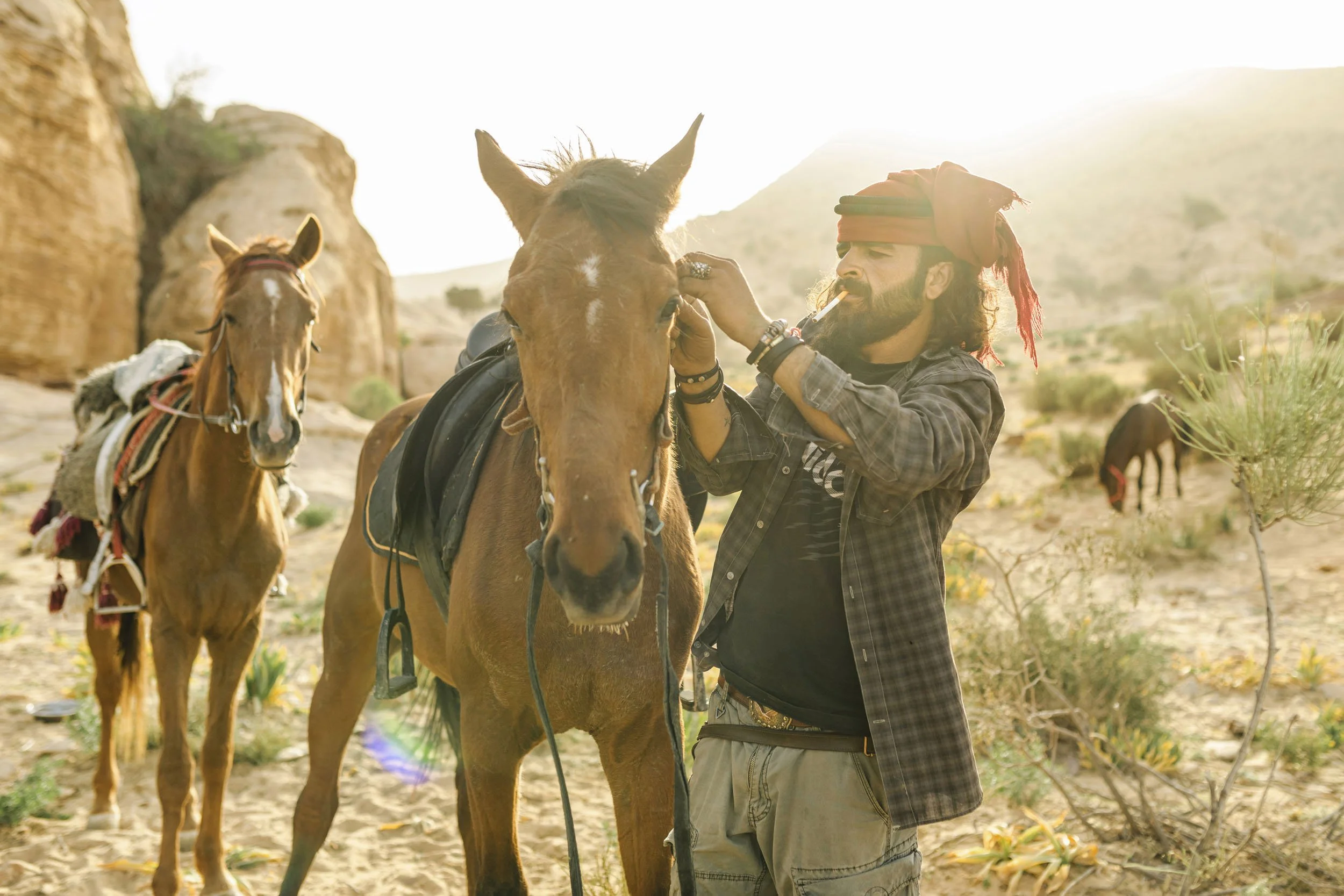
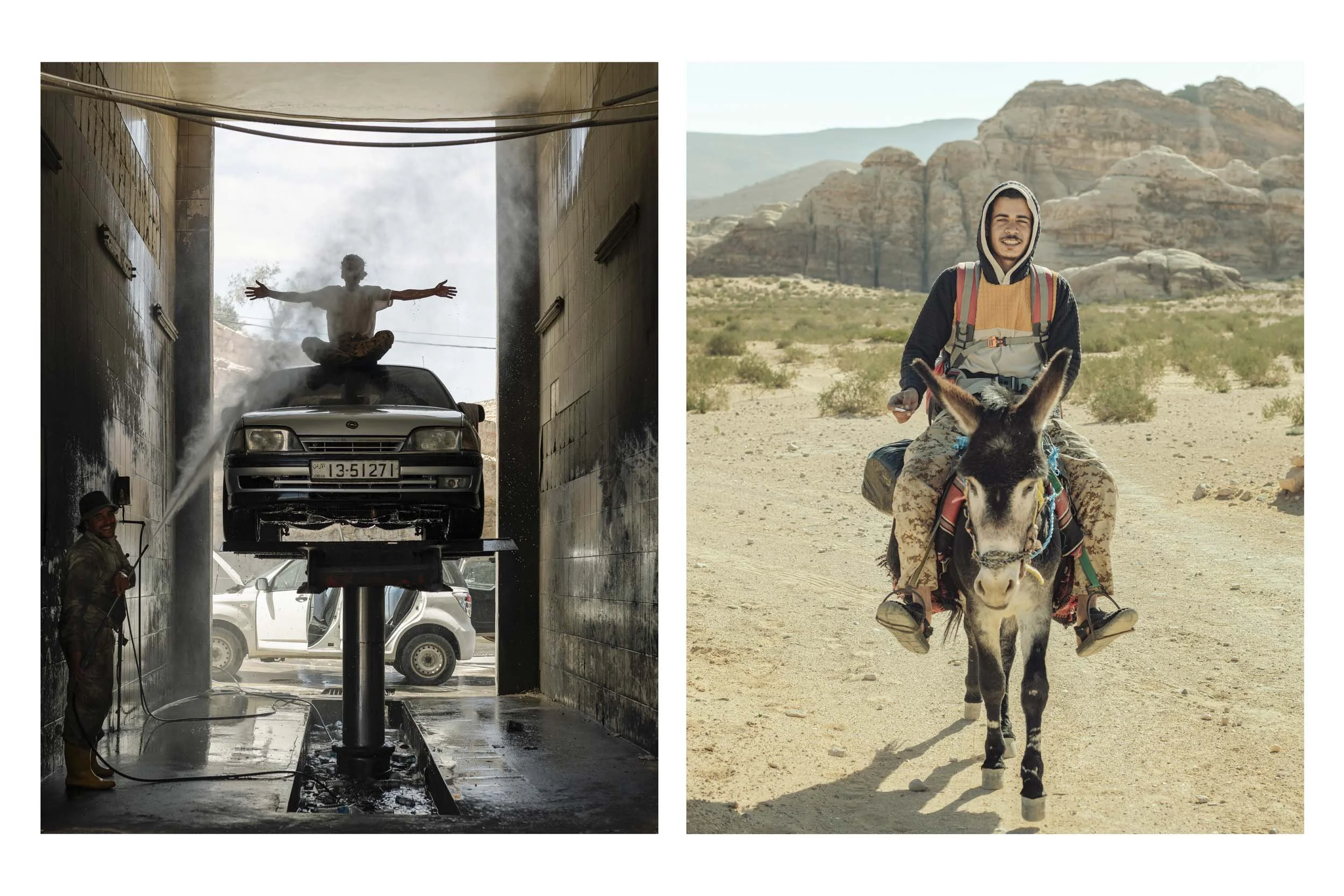
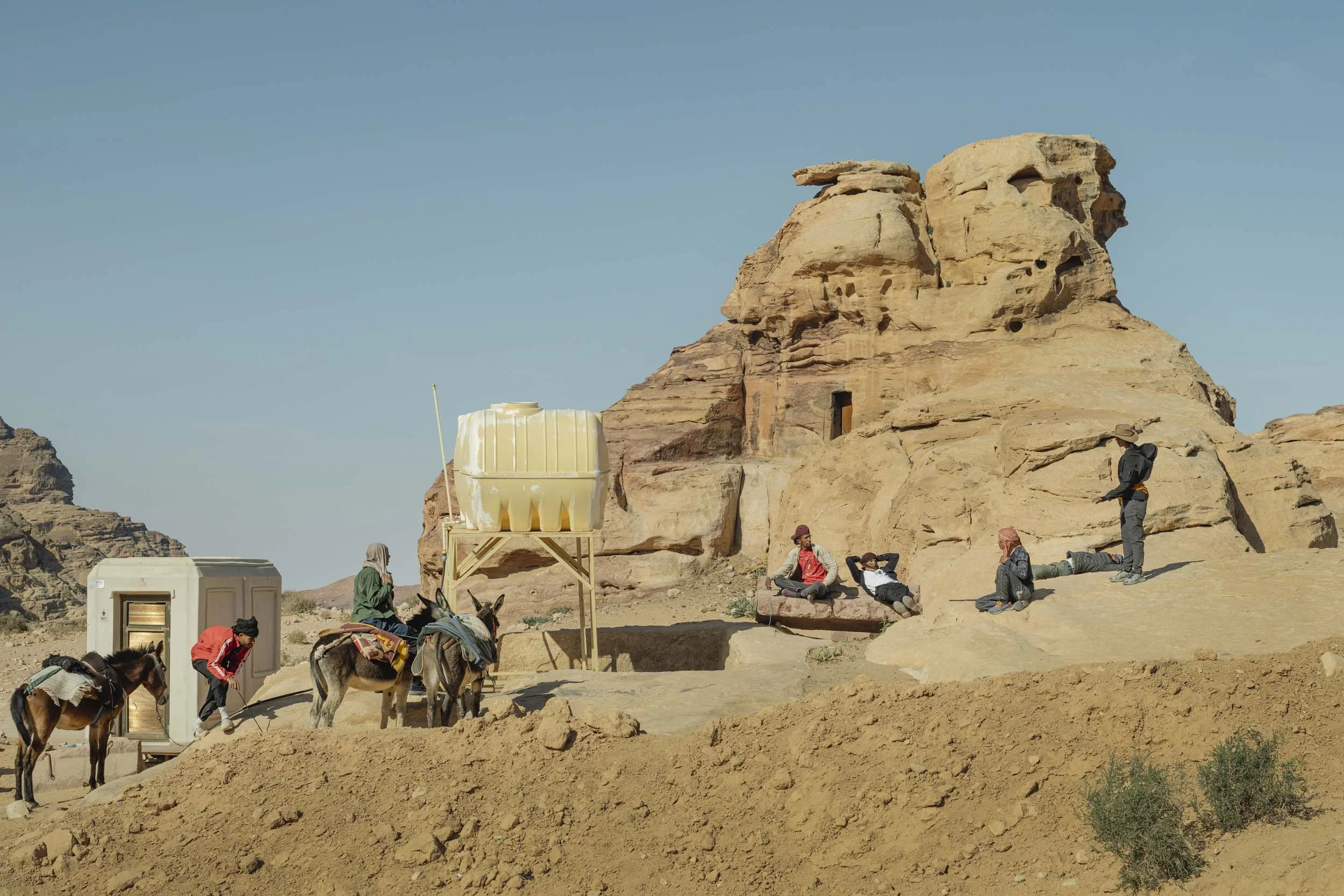
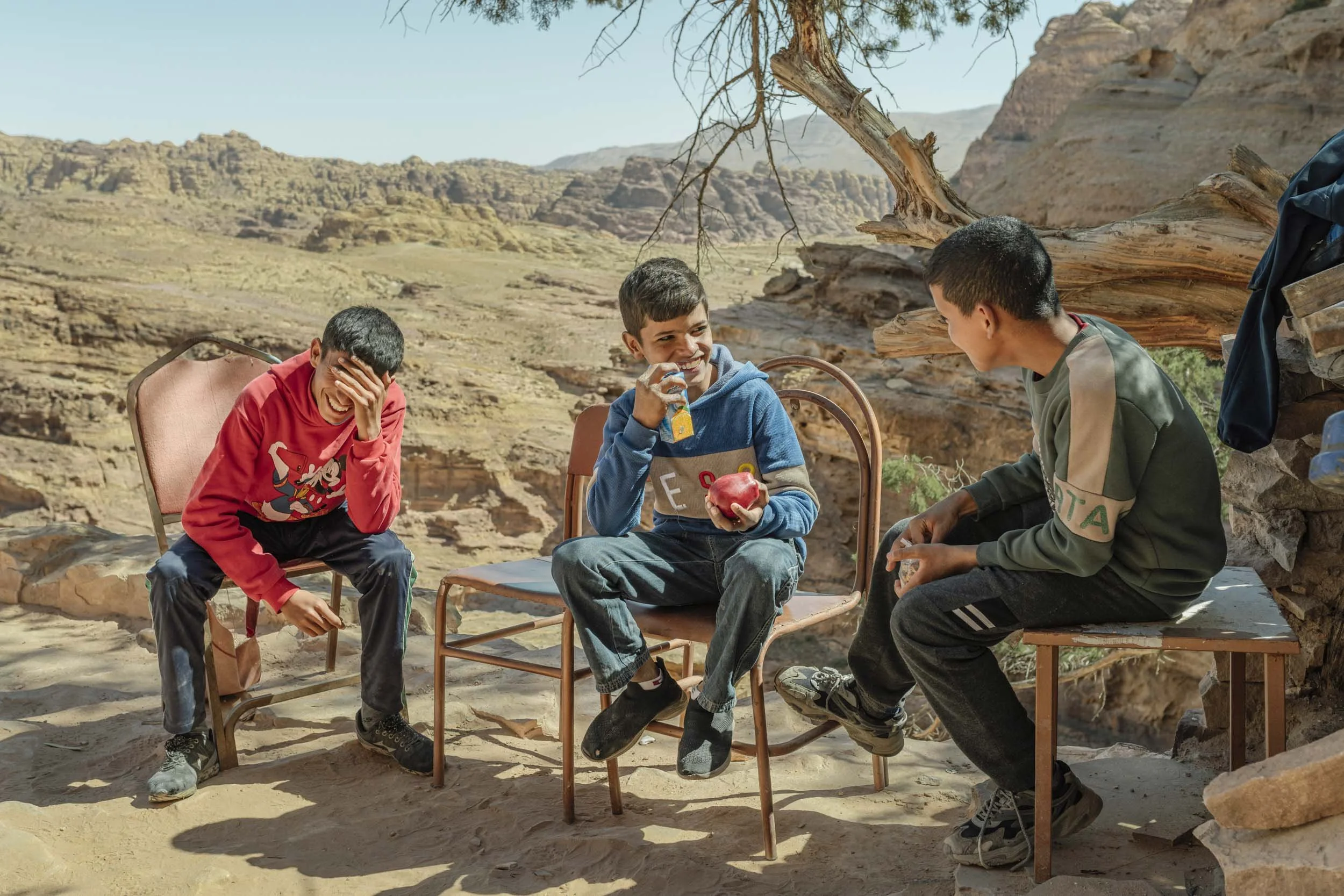
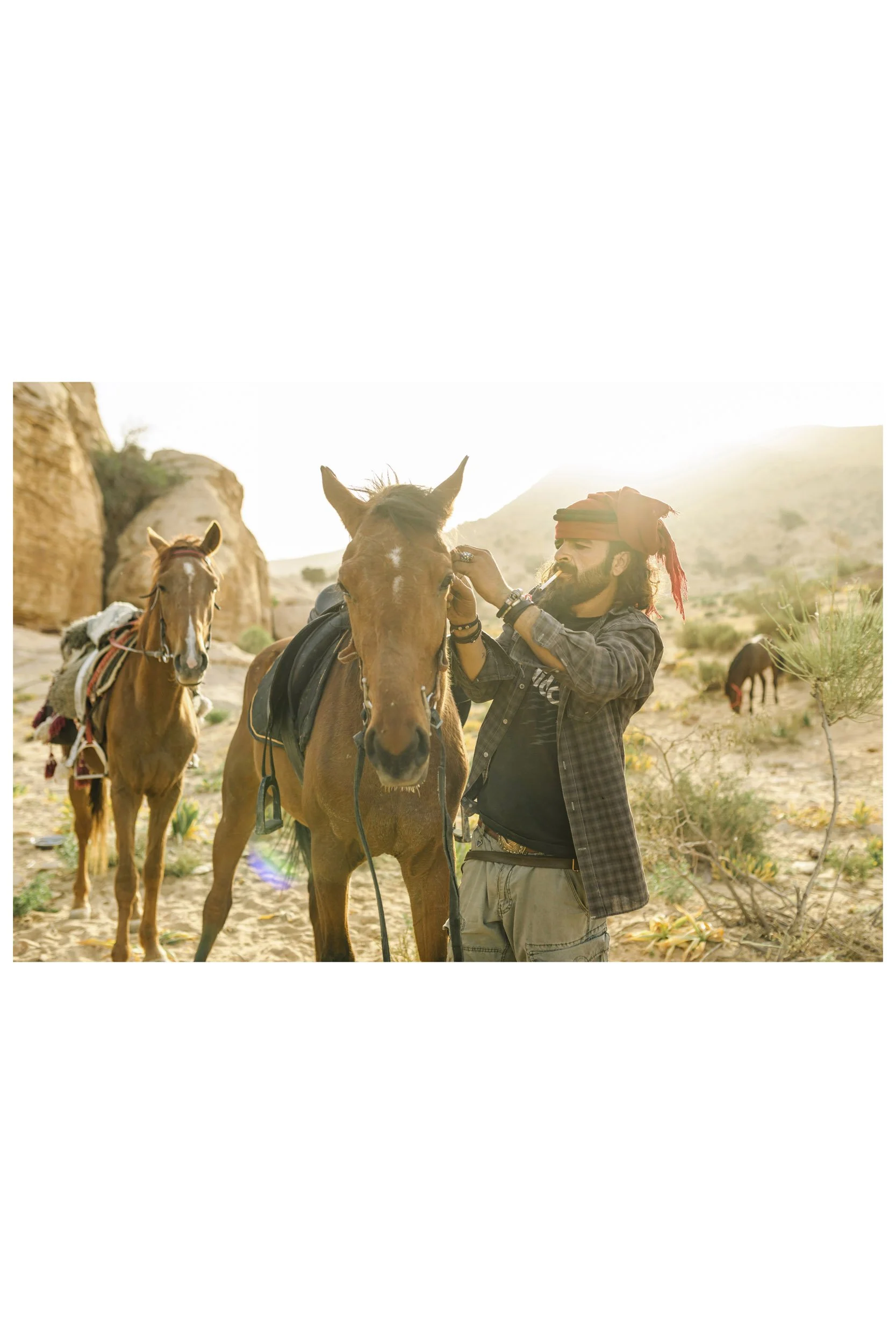
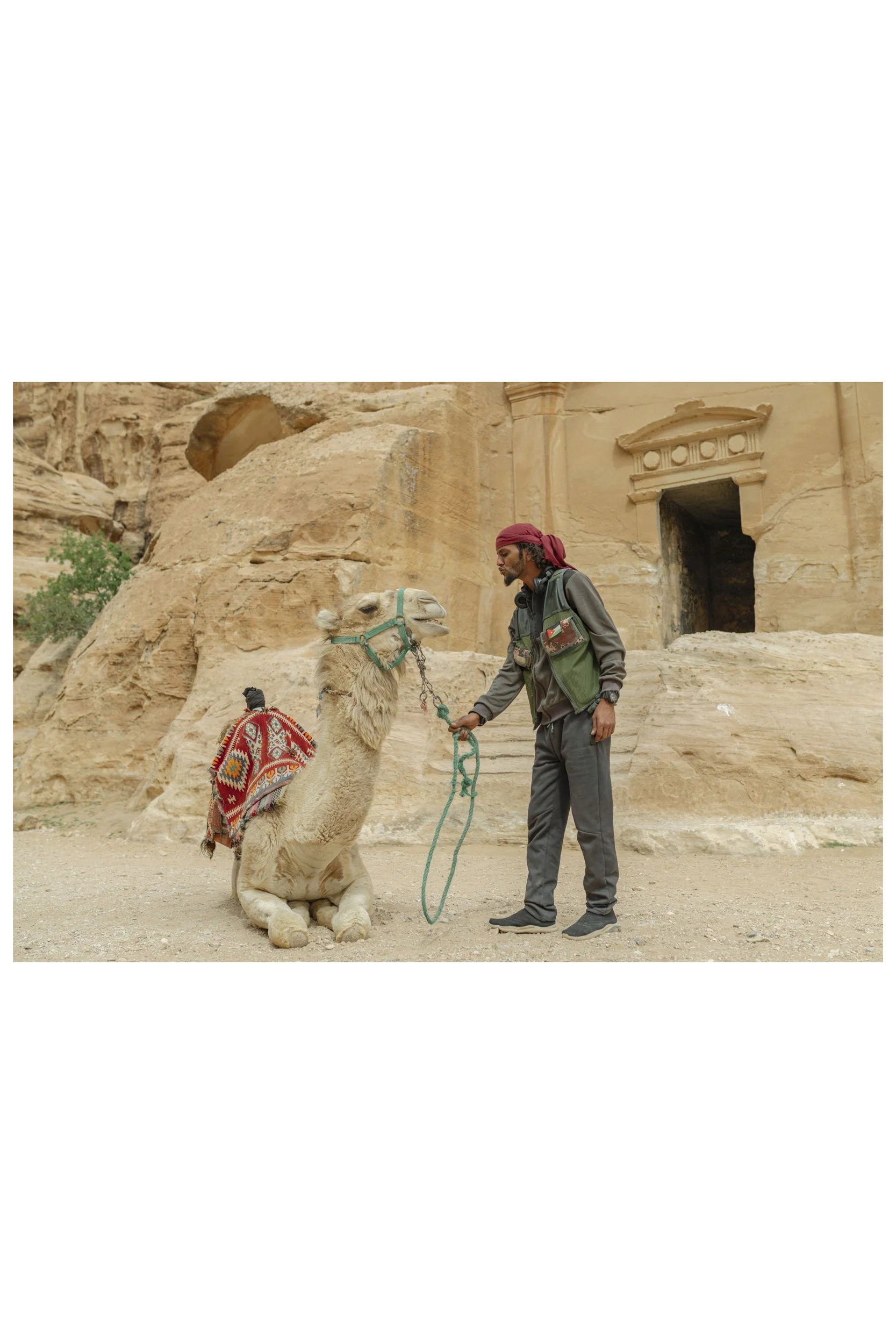
Today, they are not allowed to live in Petra, but many Bdoul return every day: they work as guides, lead animals for tourists or sell handmade crafts. Tourism has become the only source of income for them, even as they are now allowed to be in their former home only as guests.