Water and Salt
The Jordan River and the Dead Sea lie in the Middle East, forming part of the border between Israel and Jordan. For thousands of years, the Jordan River has been more than just a river, it’s been a source of life, a crossroads of cultures and a sacred symbol for Jews, Christians and Muslims. Yet today, this vital waterway is drying up. More than 90% of its natural flow has been diverted by Israel, Jordan and Syria for agricultural and domestic use.
The Dead Sea, once fed by the Jordan’s waters, is vanishing at an alarming rate, shrinking by nearly four feet (1.2 meters) per year and losing over 30% of its surface area in just fifty years. As the water recedes, another crisis is emerging: sinkholes. Thousands of these sudden, deep collapses have opened up along the shorelines, swallowing roads and palm groves. They form when underground salt layers, once held in place by the Dead Sea’s water, dissolve from freshwater intrusion, leaving behind unstable cavities. These sinkholes are a striking and dangerous sign of the region’s accelerating ecological collapse.
This long-term, ongoing project explores the ecological collapse of the Dead Sea and the broader theme of the global freshwater crisis.
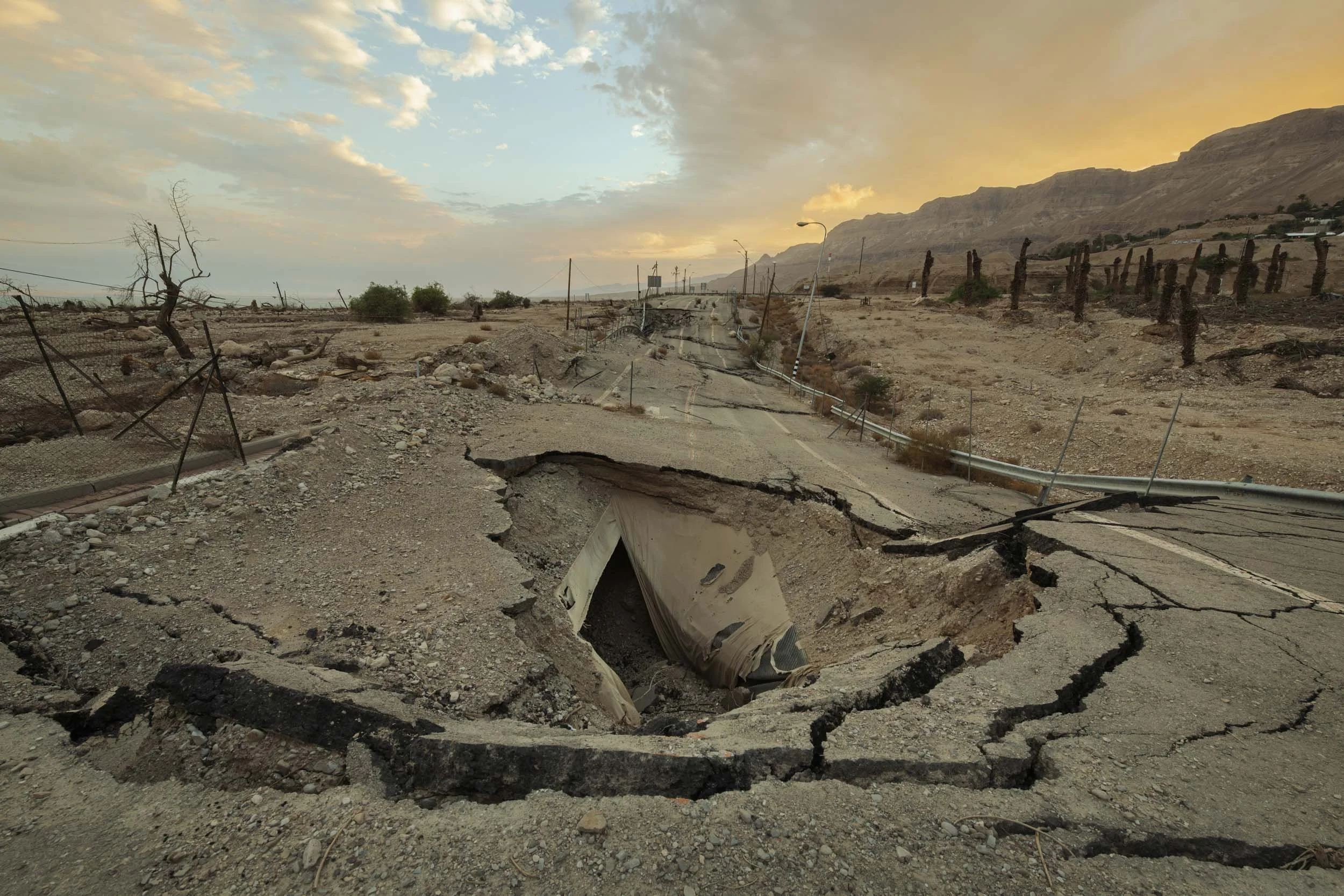
A road that collapsed due to sinkholes near Ein Gedi, Israel.
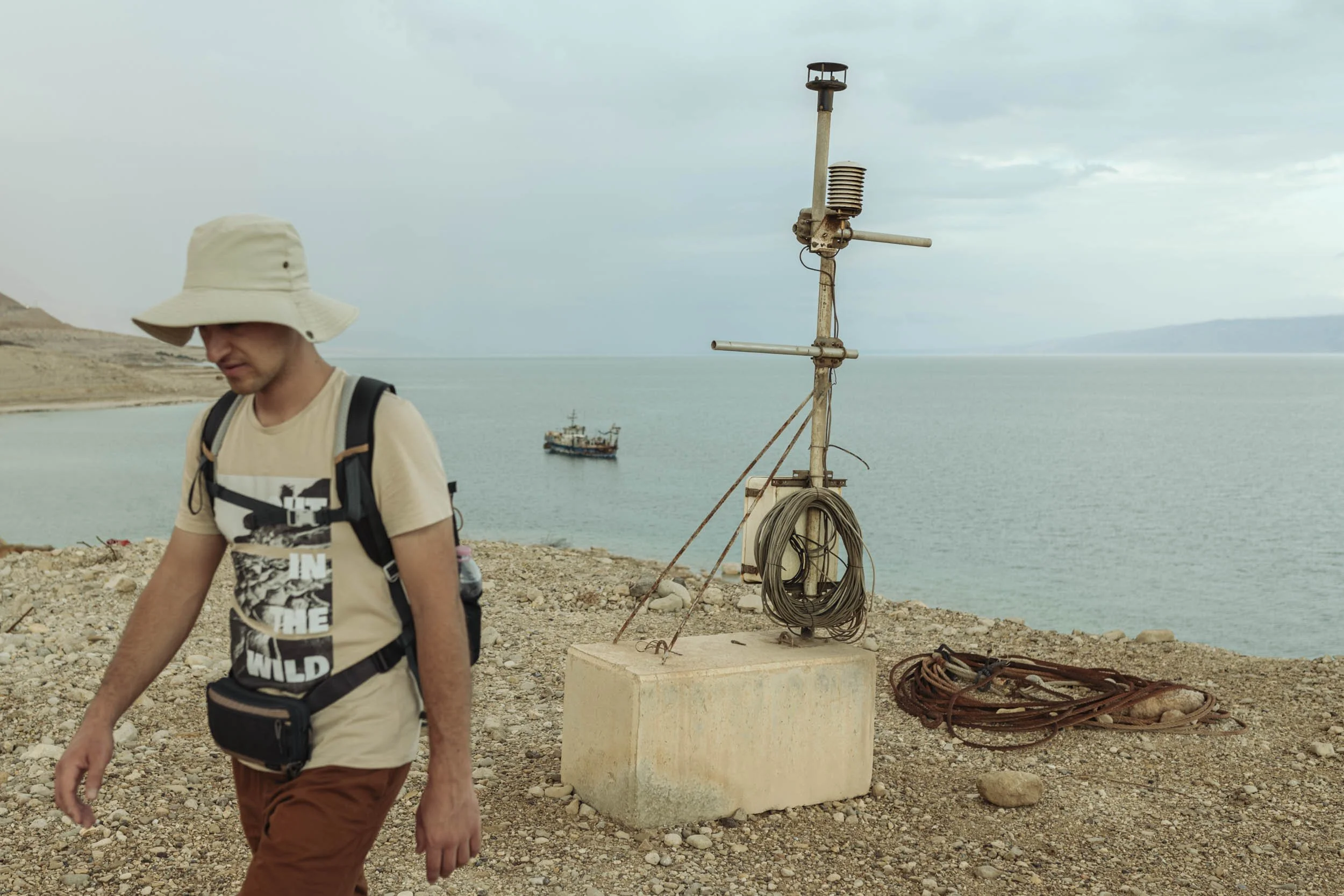
An abandoned monitoring station on the shores of the Dead Sea.
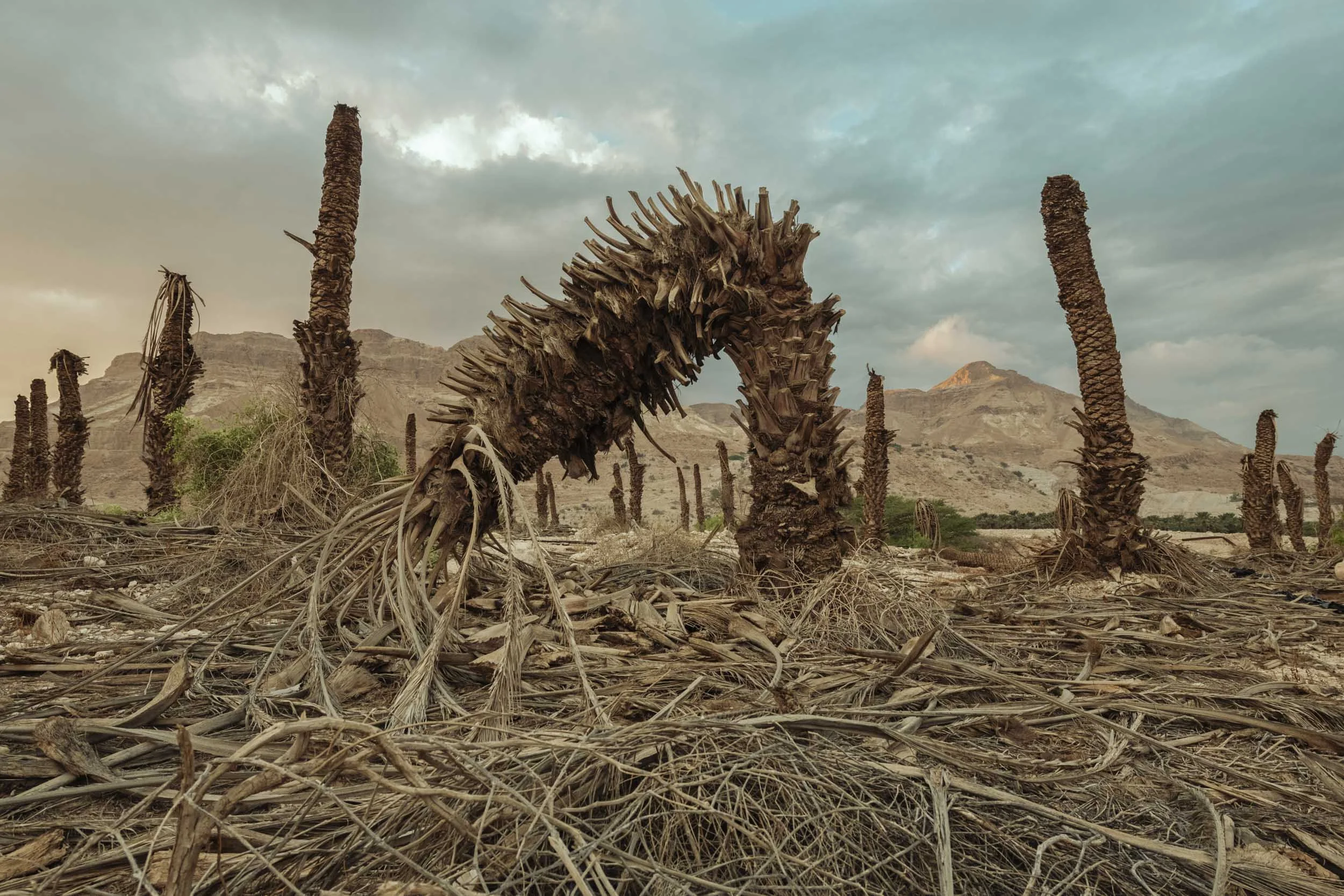
A dried-up palm plantation near the Dead Sea, Israel.

View of the Dead Sea from Masada, Israel.
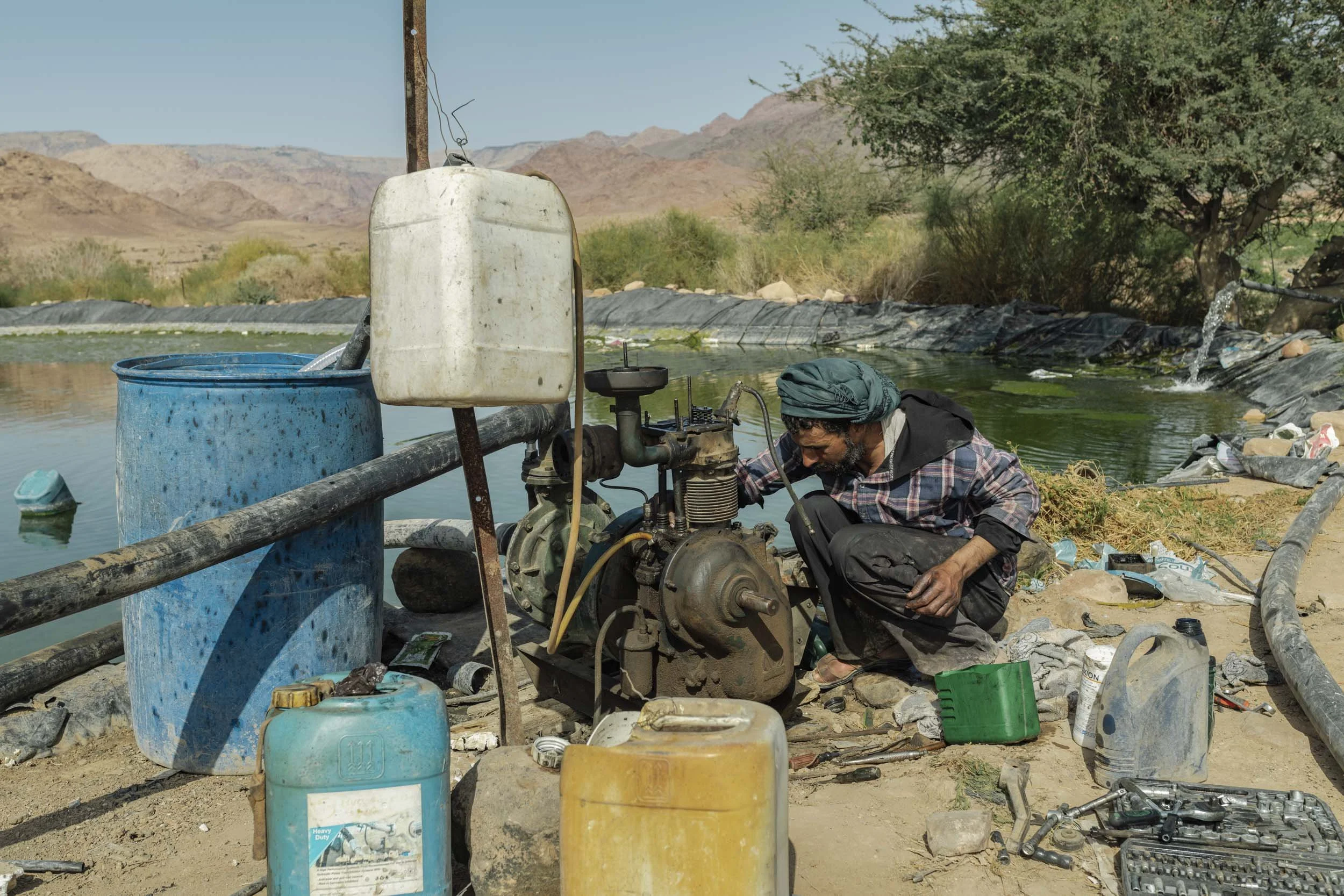
Mohammed is repairing the irrigation system and pump for a watermelon farm in the Wadi Araba desert, Jordan.
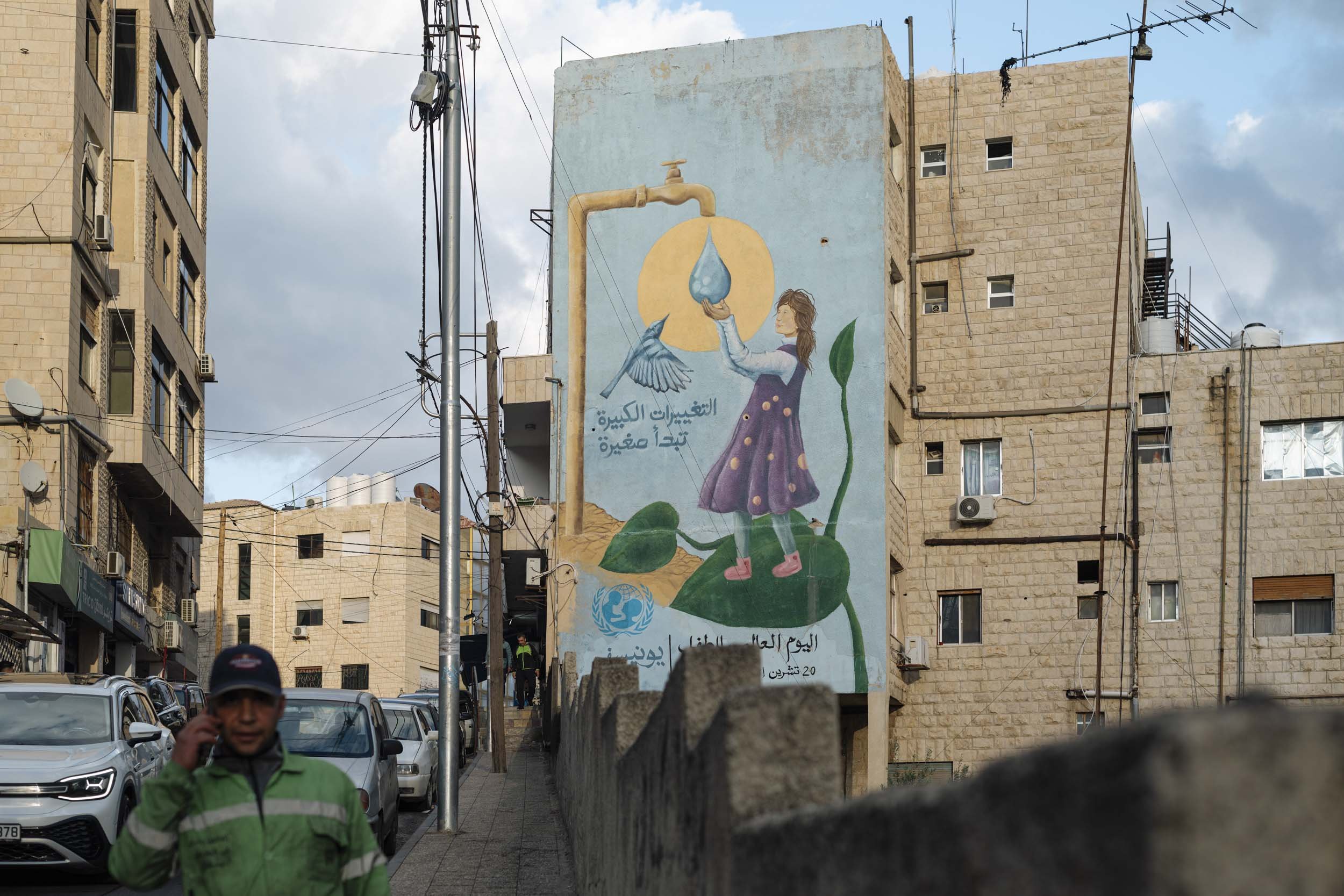
A mural in Amman, the capital of Jordan with the text: "Big changes start small."
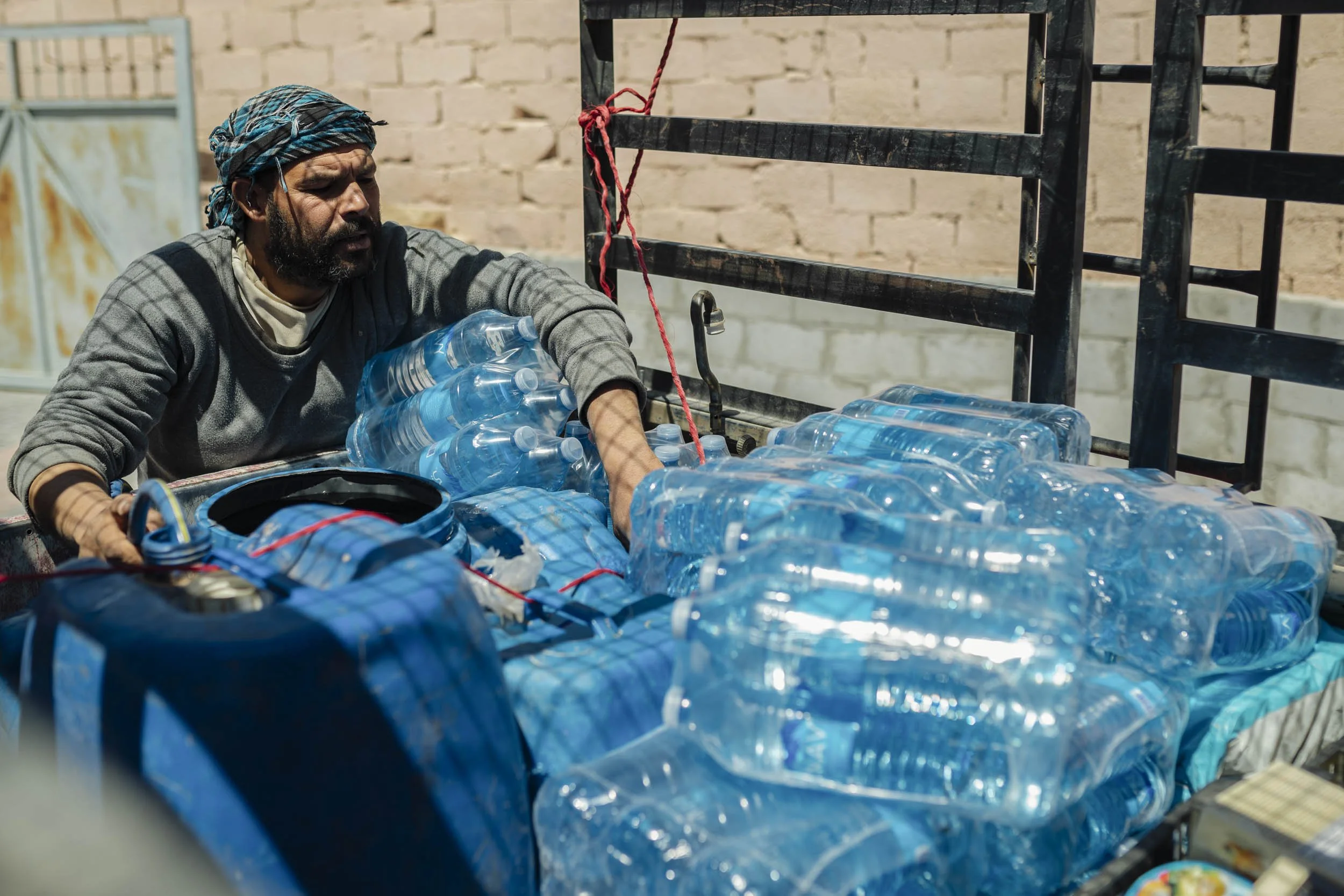
Essam is loading water onto the back of a jeep near Petra, Jordan.
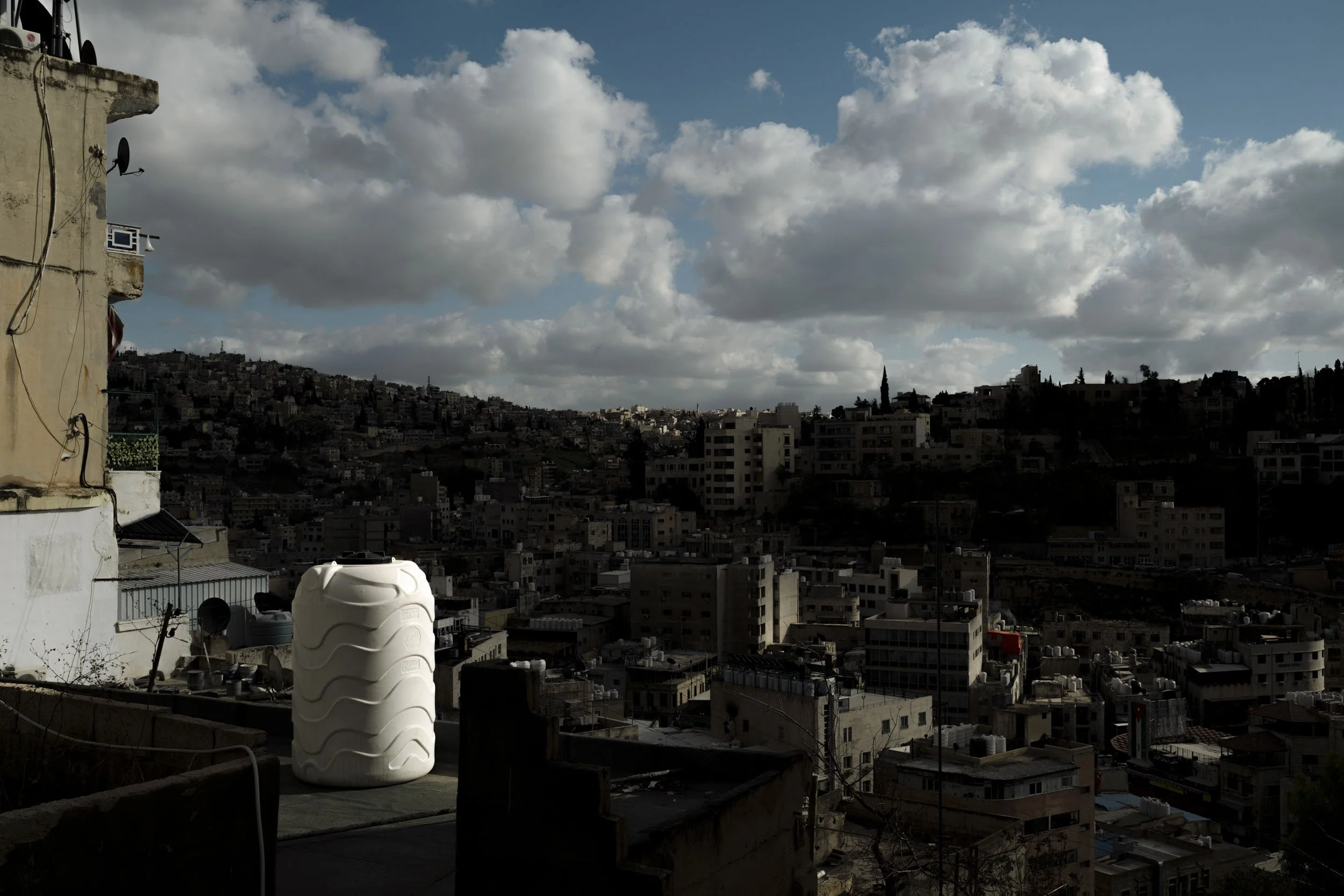
A water storage tank sits on a rooftop in Amman, Jordan.

Tarik’s car is being washed in Wadi Musa, Jordan.
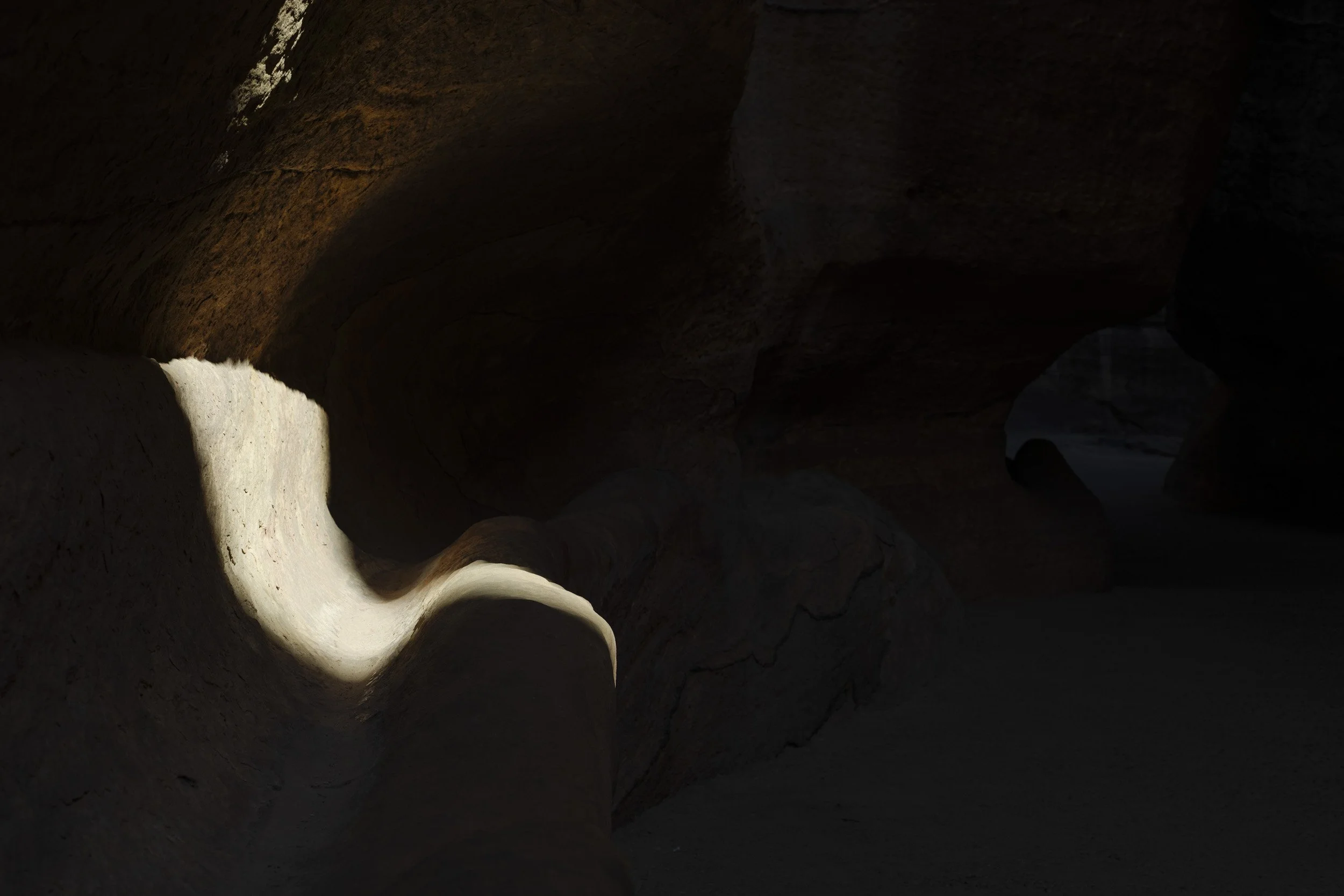
Petra is an ancient city carved into the rock in Jordan, famous for its advanced water management system. Since the area is dry and desert-like, the inhabitants had to develop efficient methods for collecting and storing water. The Nabateans, who built Petra, created an extensive network of water conduits, including stone channels, cisterns, and water reservoirs. These systems collected rainwater and preserved it for the dry periods.
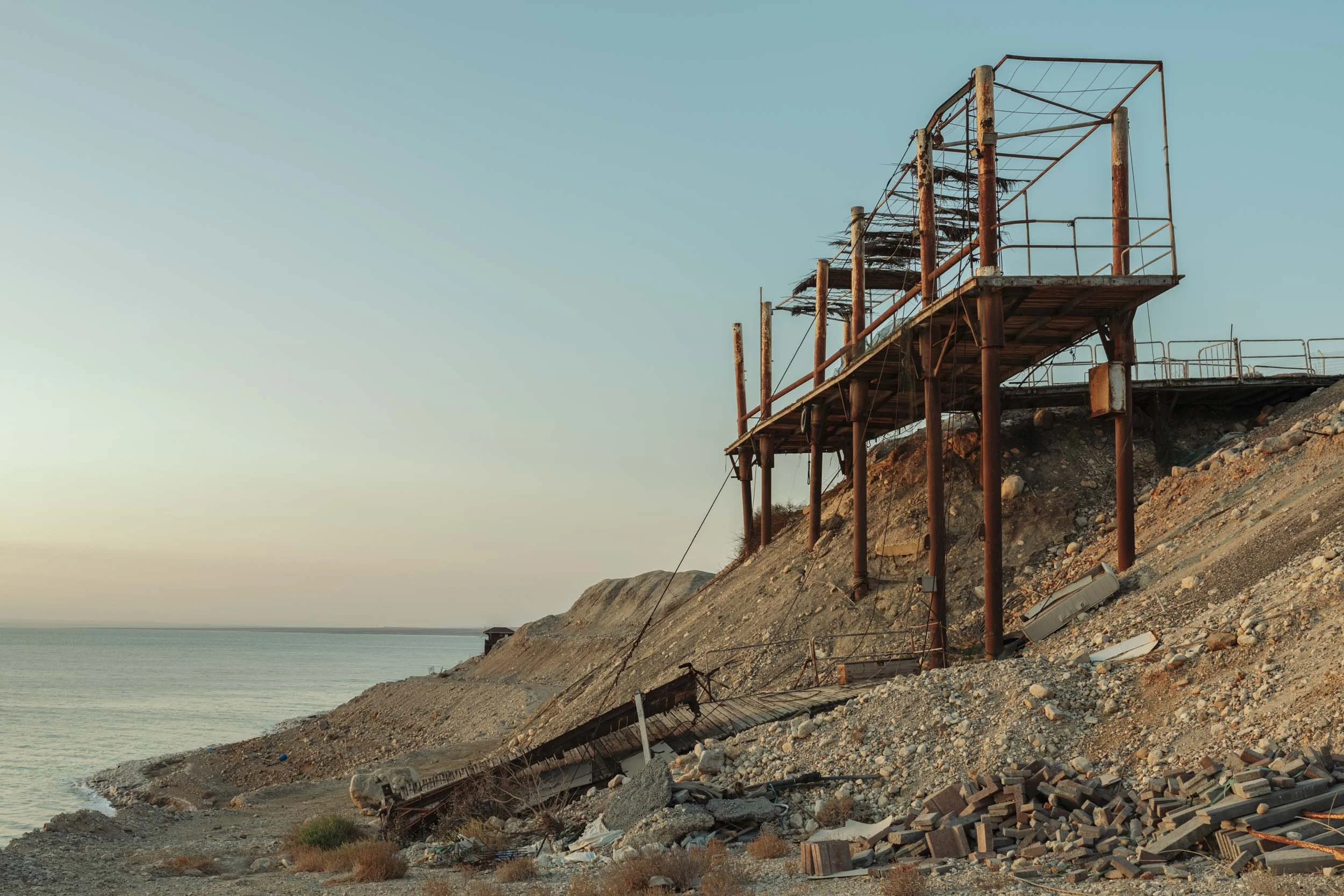
A pier at the Dead Sea shore, clearly showing where the water level used to be.
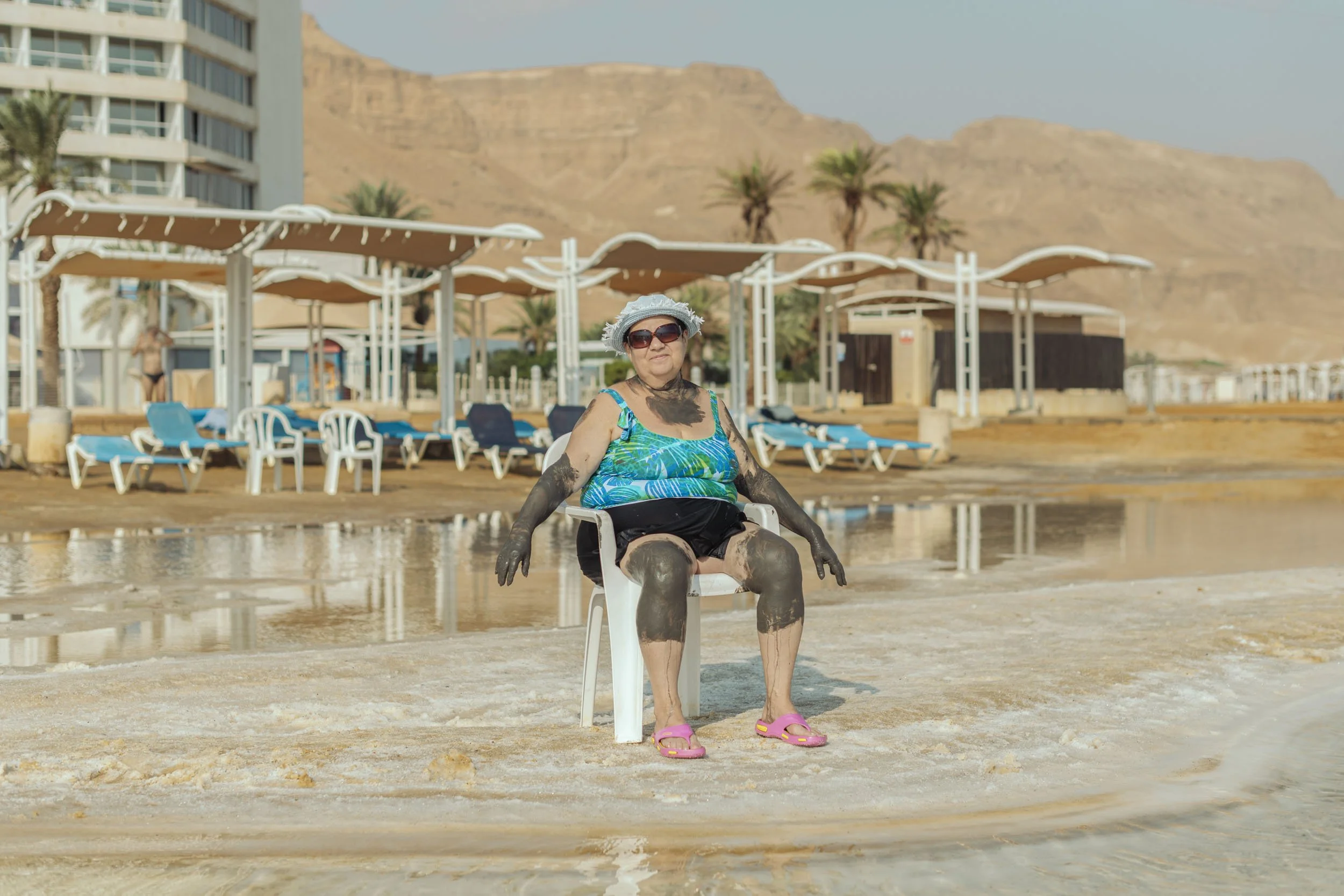
A Russian retired tourist enjoying the mineral-rich mud of the Dead Sea at Ein Bokek, Israel.
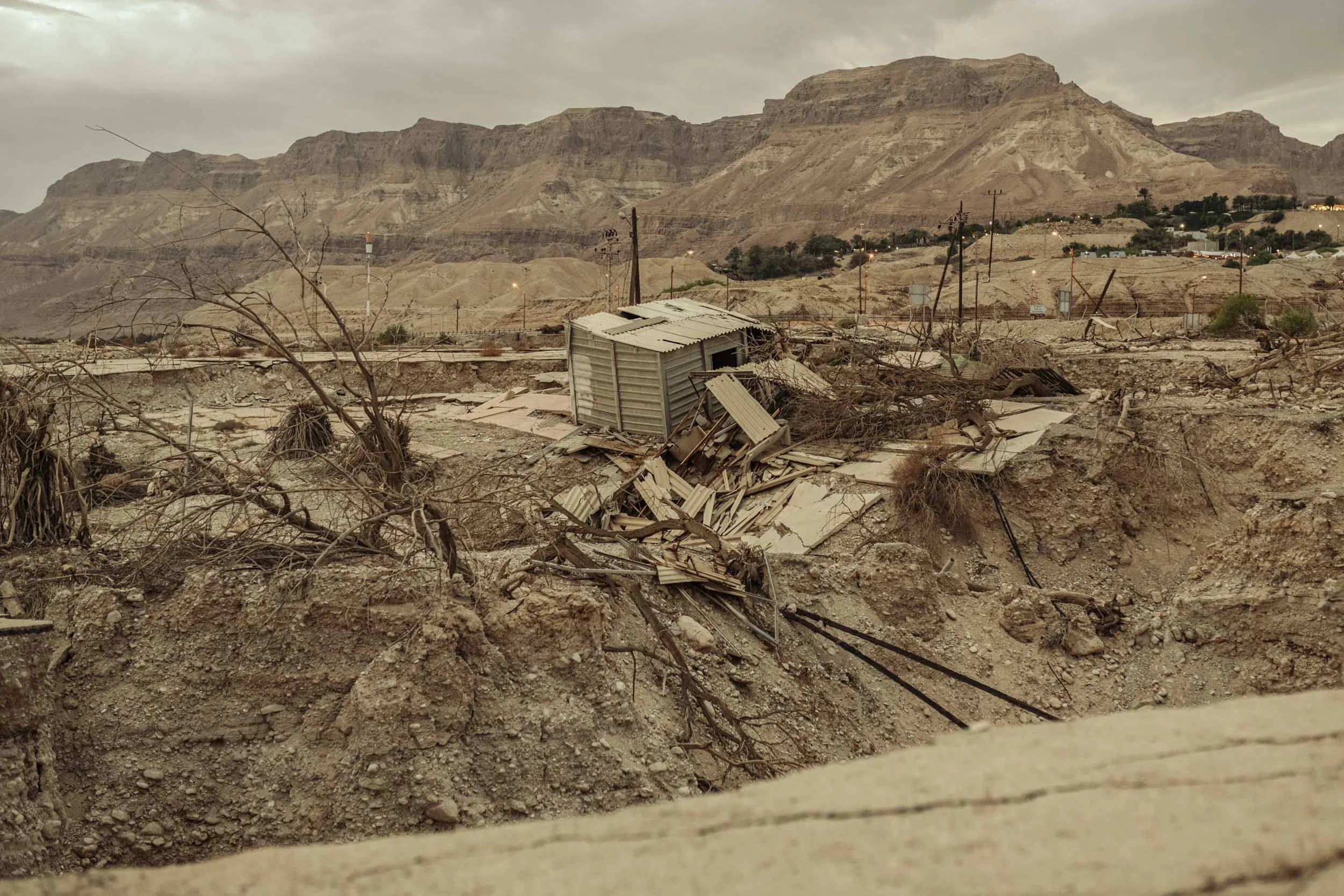
Sinkhole-affected area at the israeli side, near the Dead Sea.

Water Fairy. A headstone depicting a water nymph, dating back to the Roman era, discovered at a site dedicated to nymphs in Amman in 1993.
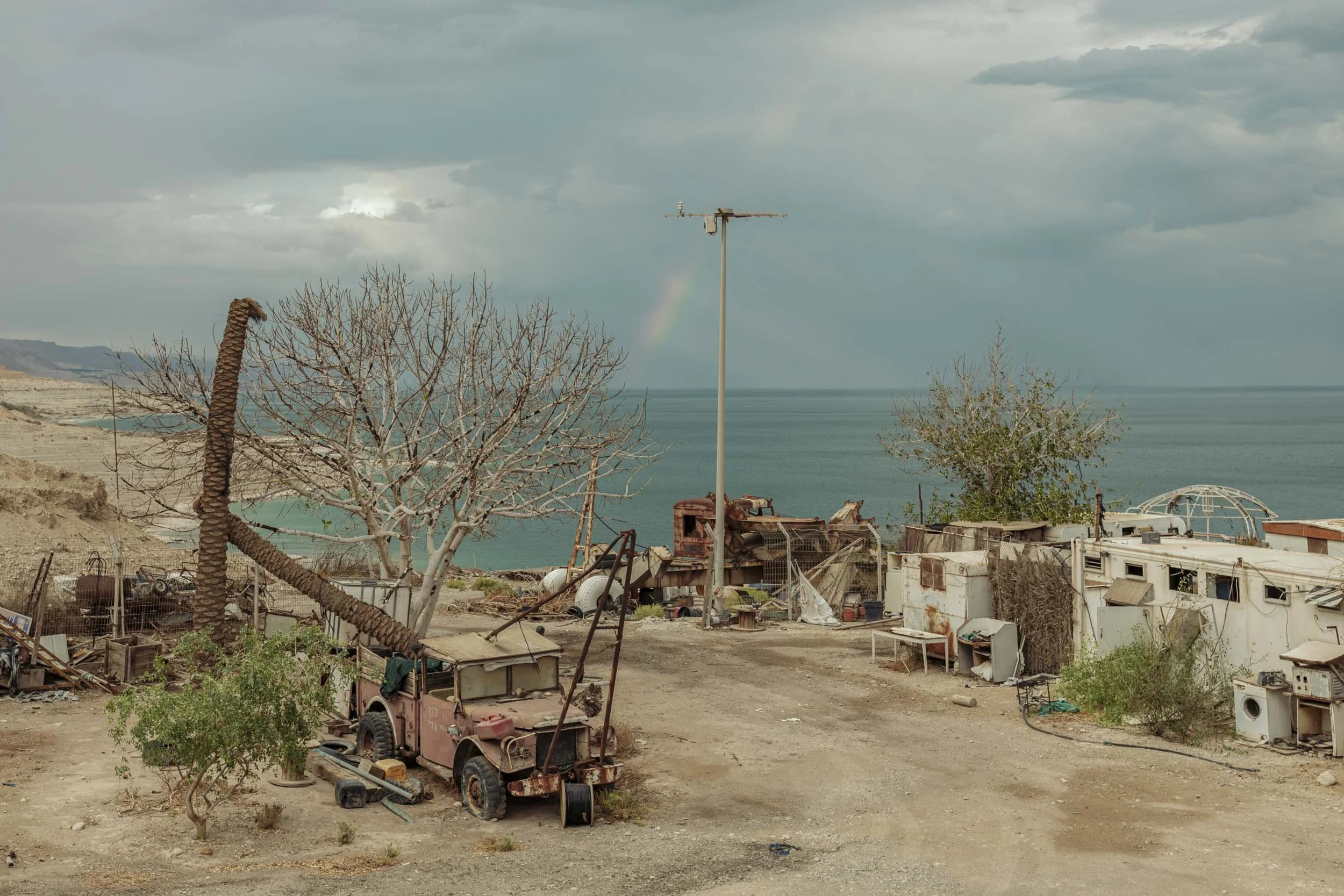
An abandoned home of a boat captain on the shores of the Dead Sea, Israel.
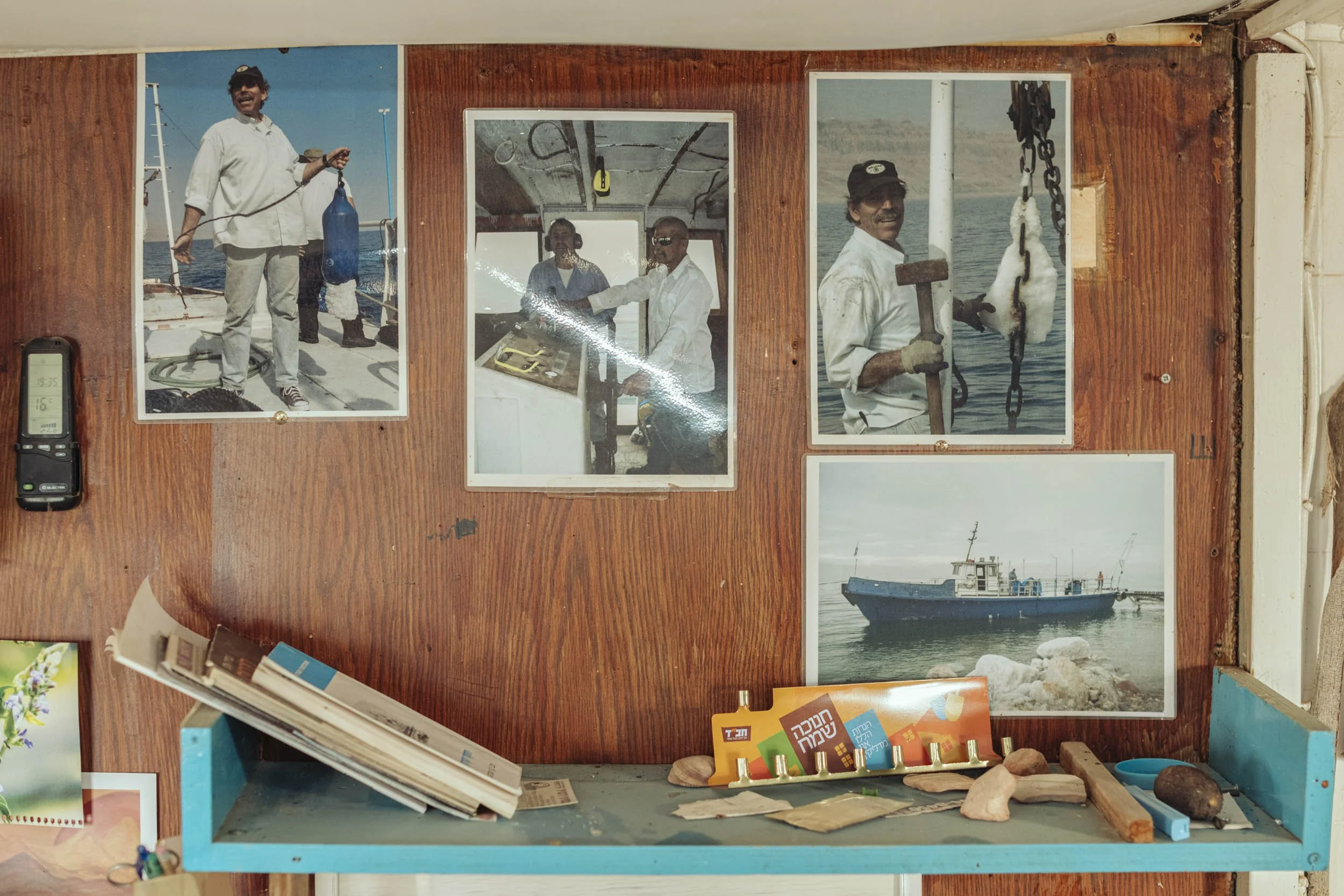
An abandoned home of a boat captain on the shores of the Dead Sea, Israel.
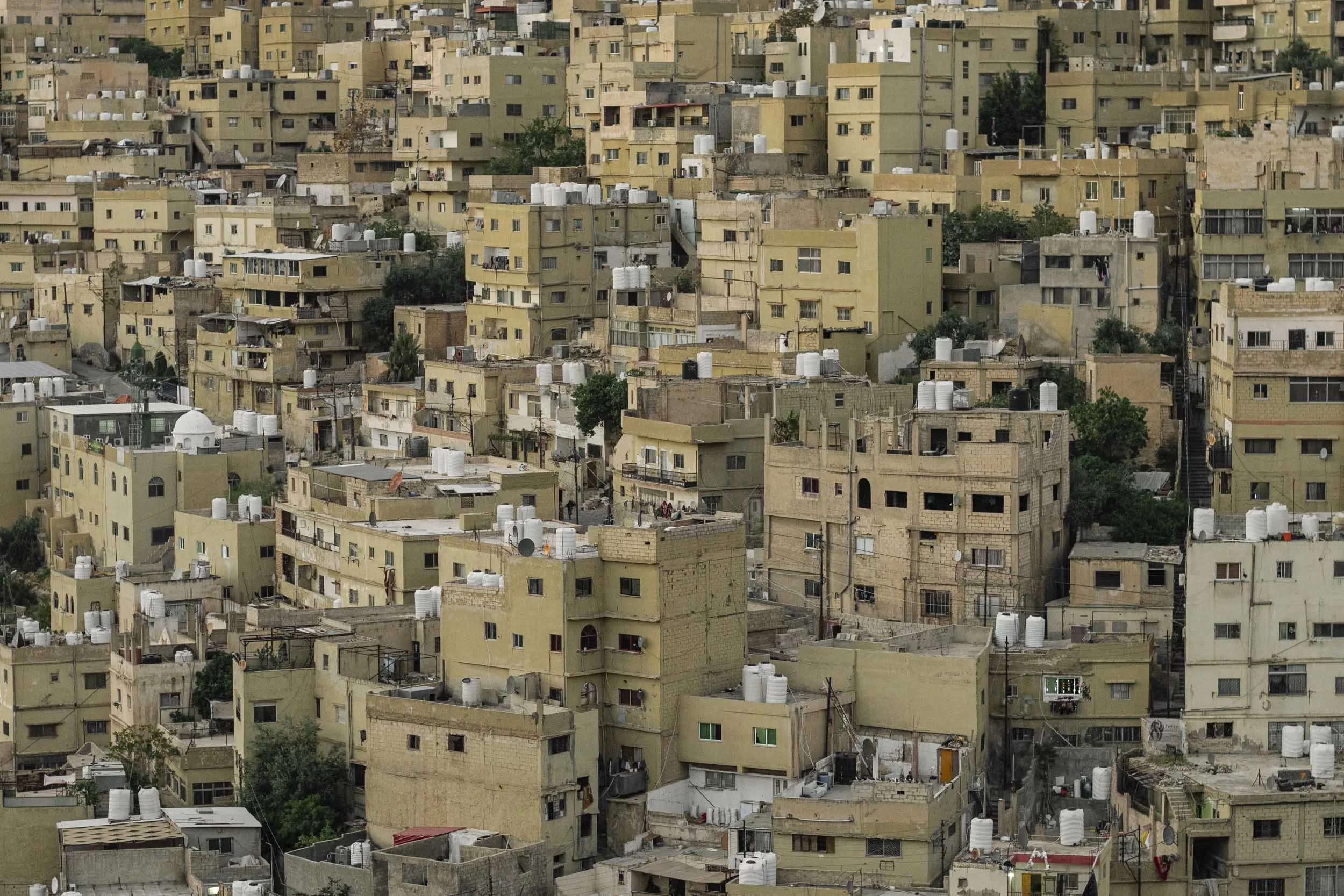
Water storage tanks sits on a rooftops in Amman, Jordan.
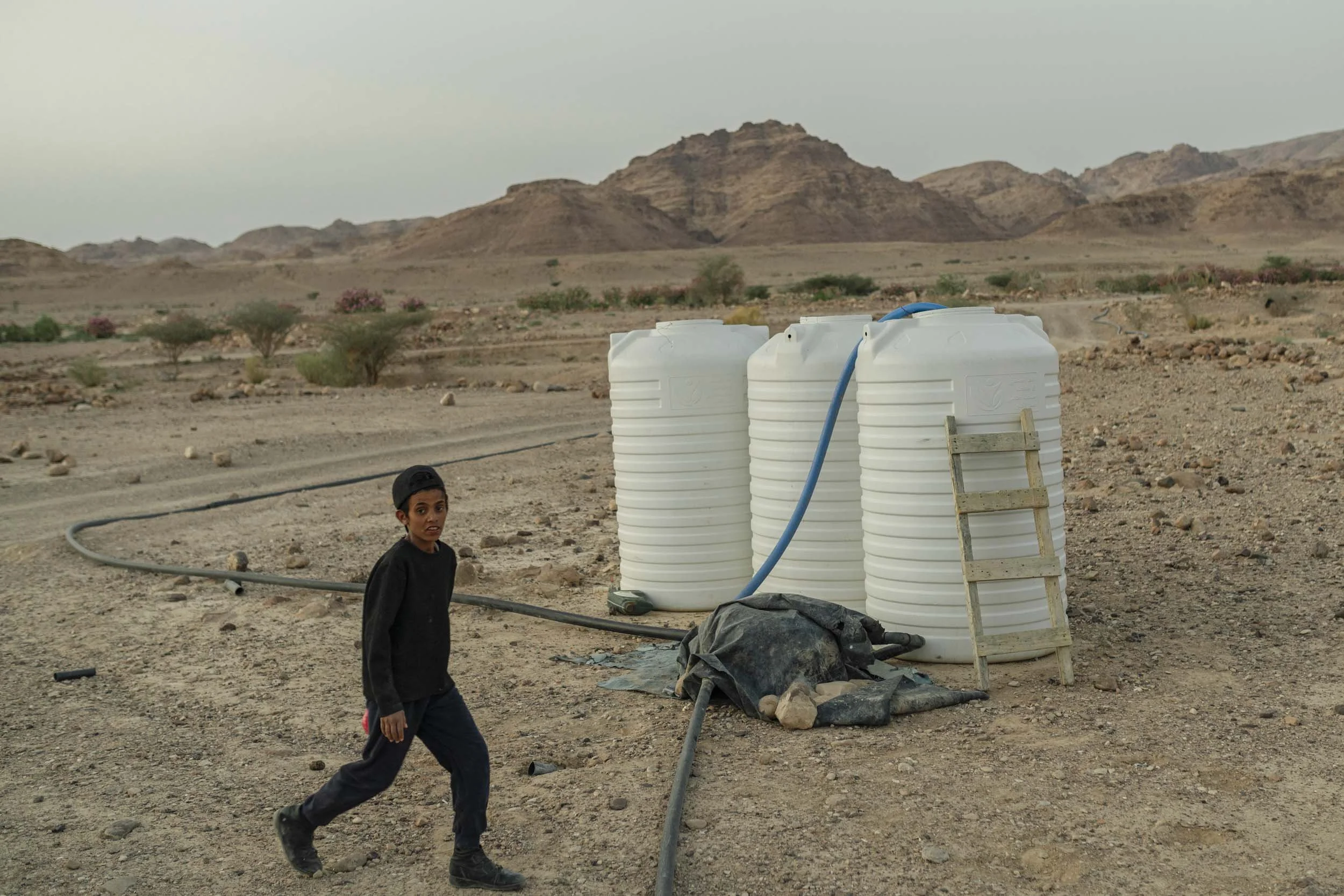
Water storage tanks in Wadi Araba desert, Jordan.
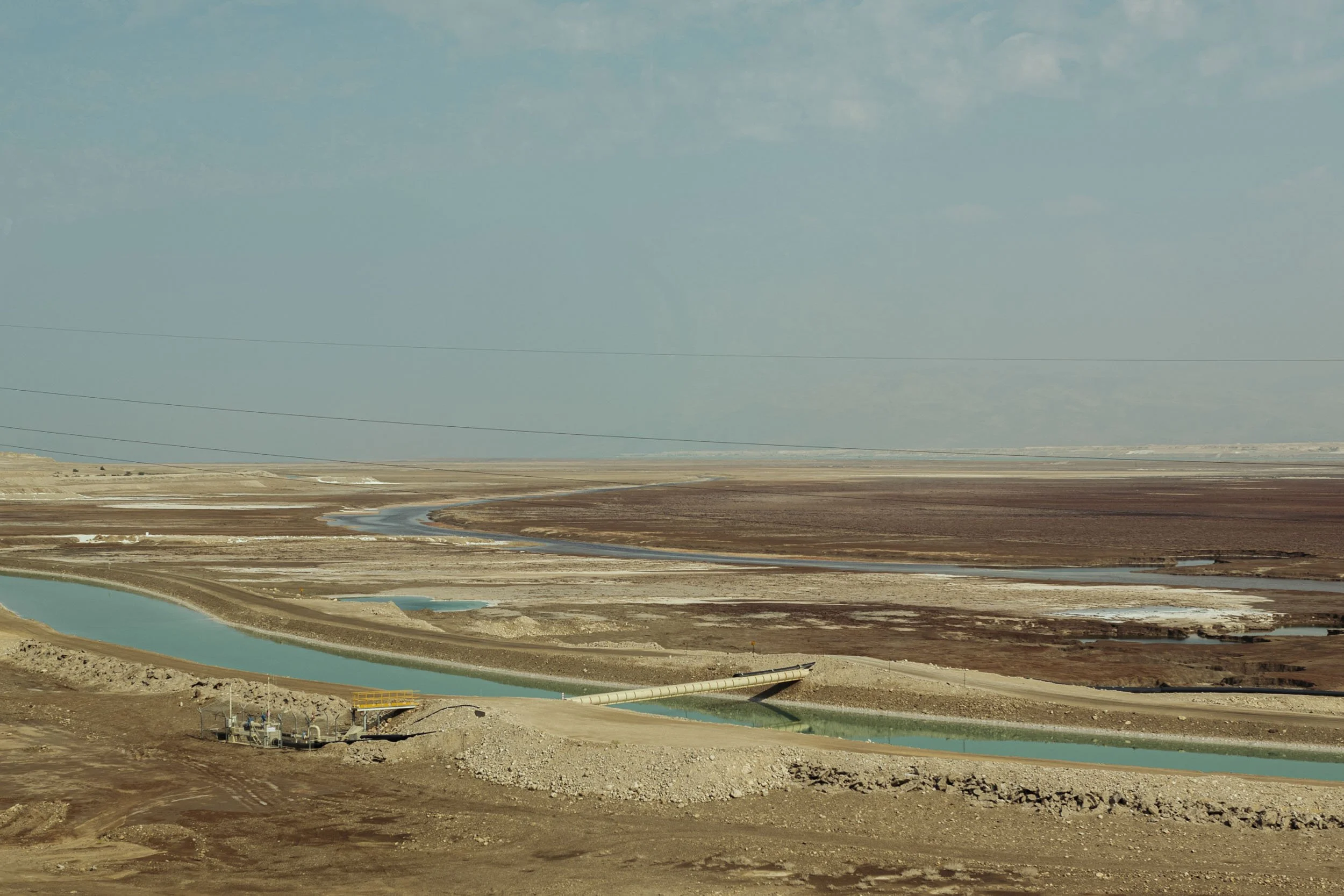
Channels in the Dead Sea.
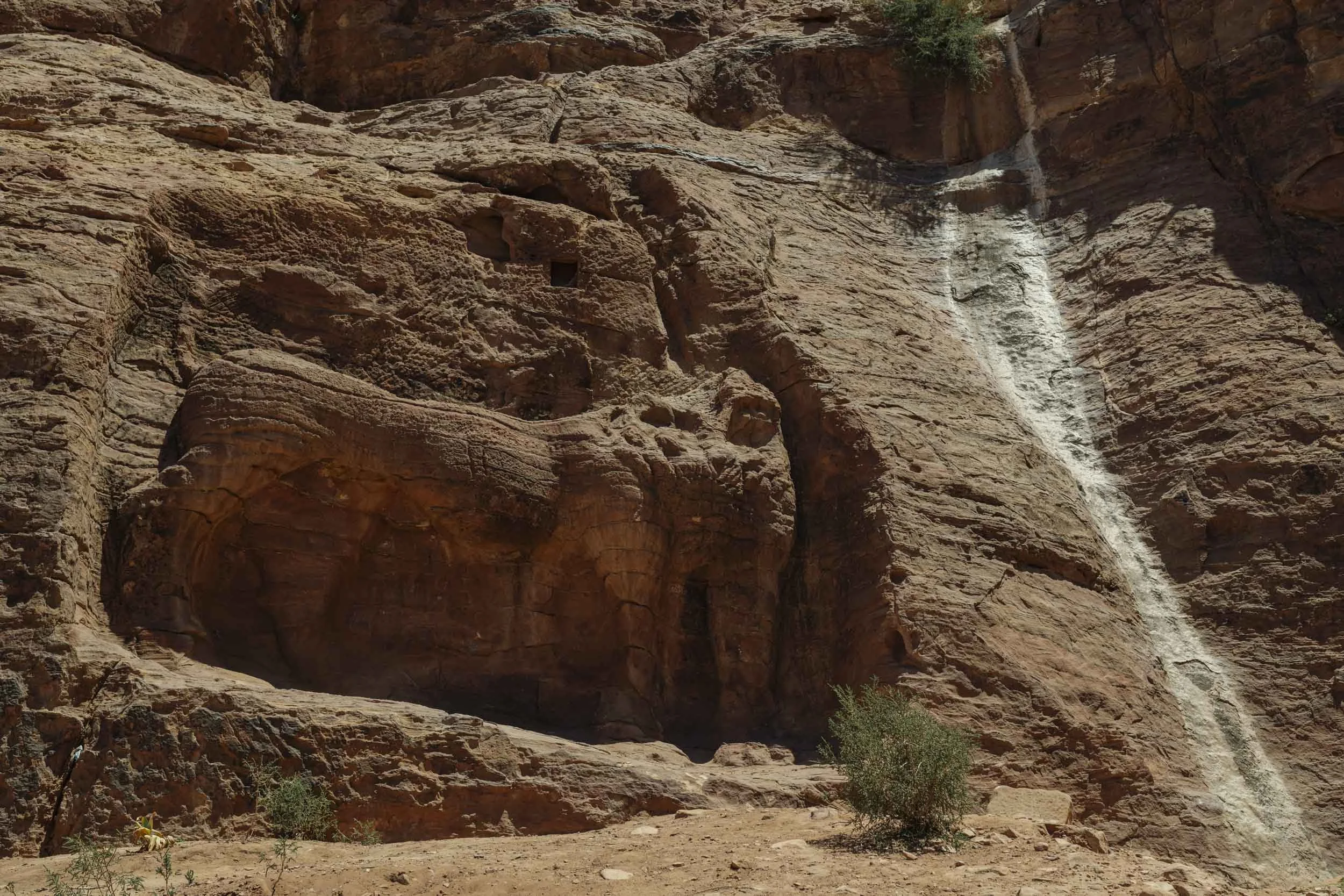
The monumental relief of a lion is carved into the eastern rock face of a site where there used to be a basin. The canal above the destroyed head of the animal is fed by a branch of the aqueduct which supplied drinking water from the spring Ayn Brāq to the city area. Whether the water really gushed through the mouth of the lion into a rock basin in front of it like a fountain statue cannot be determined anymore. A water channel also runs to the right of the head. Petra, Jordan.
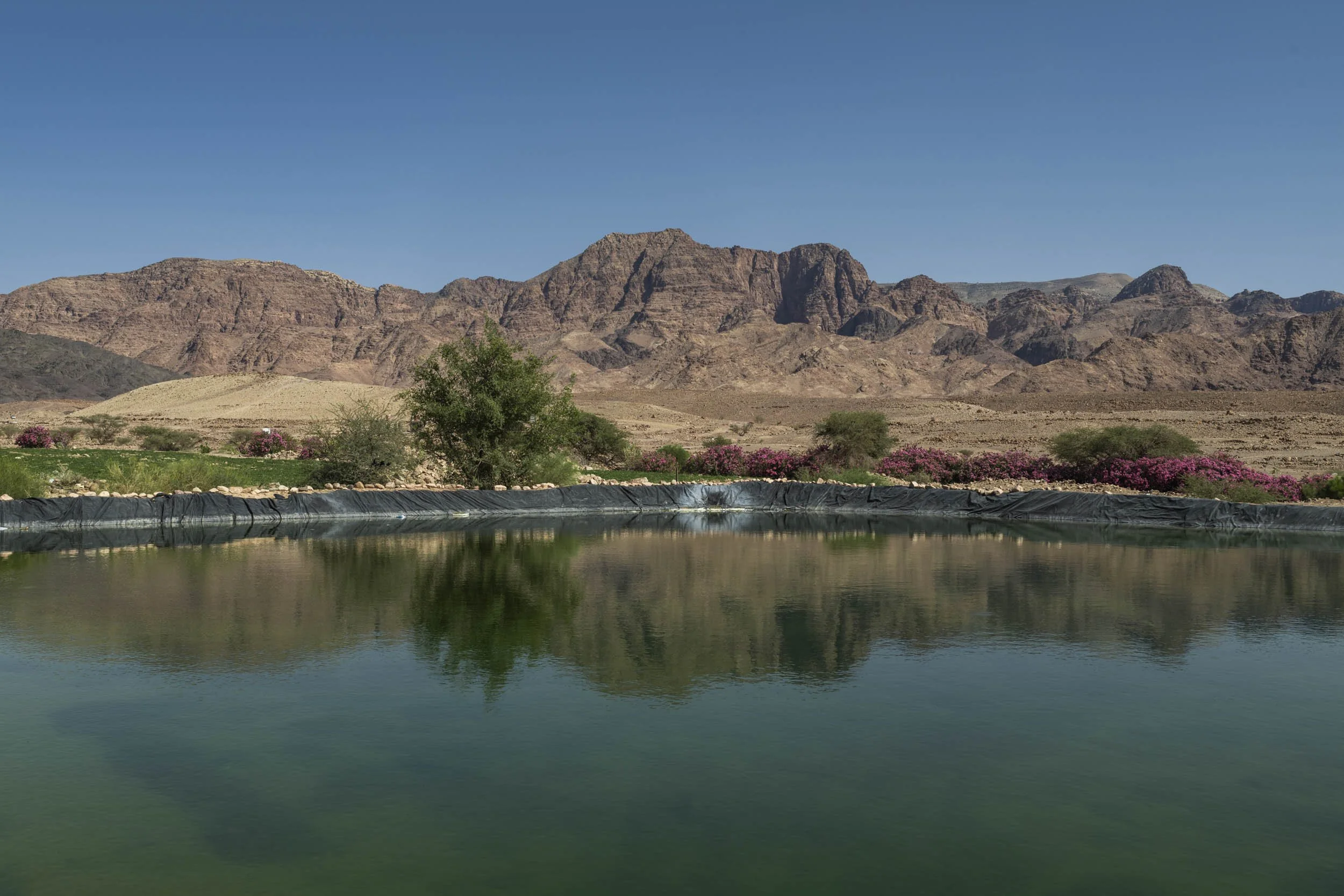
Water reservoir pool in Wadi Araba desert, Jordan.
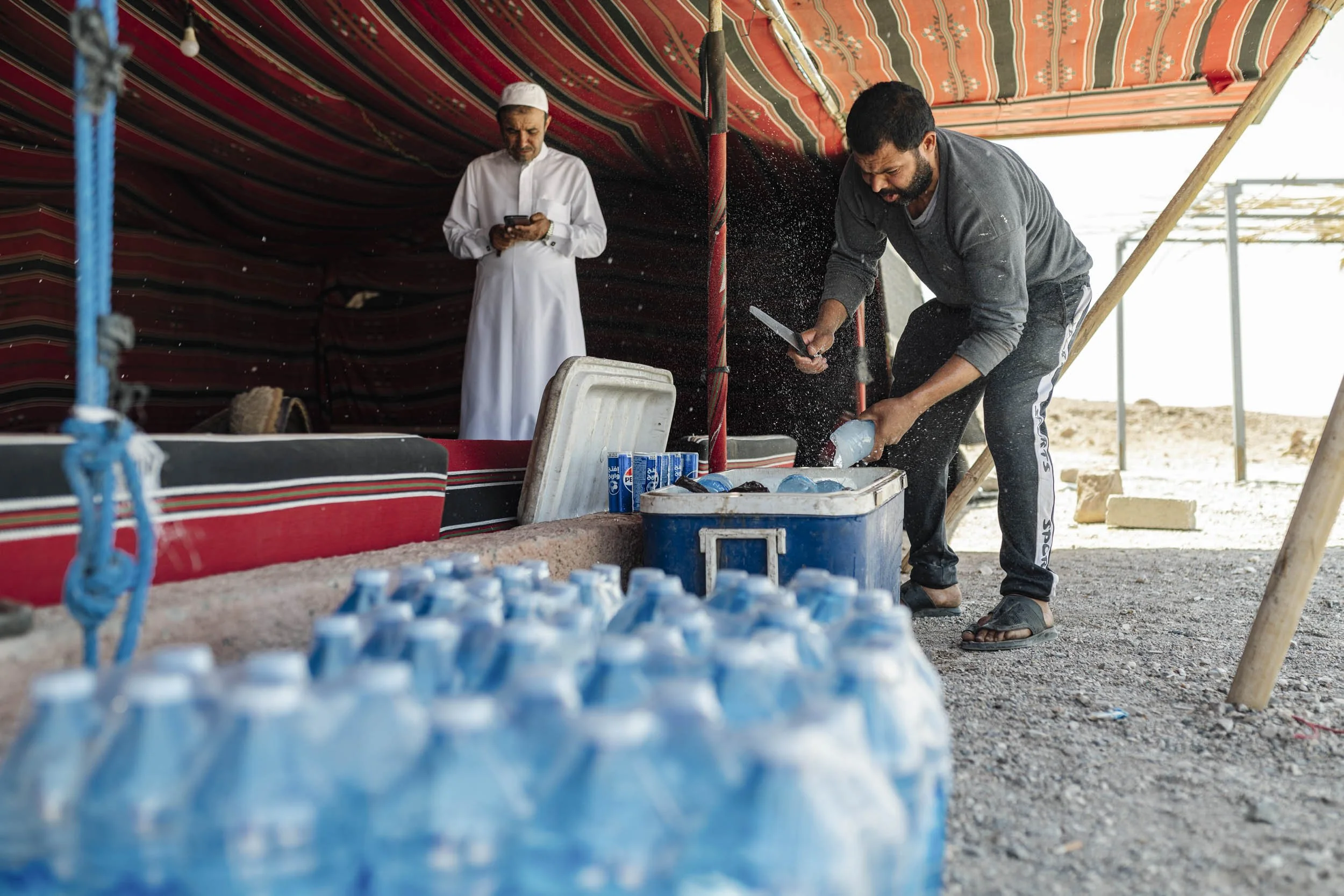
Essam is breaking ice for the ice box, preparing cold water to welcome hikers at a campsite in the Wadi Araba desert, Jordan.
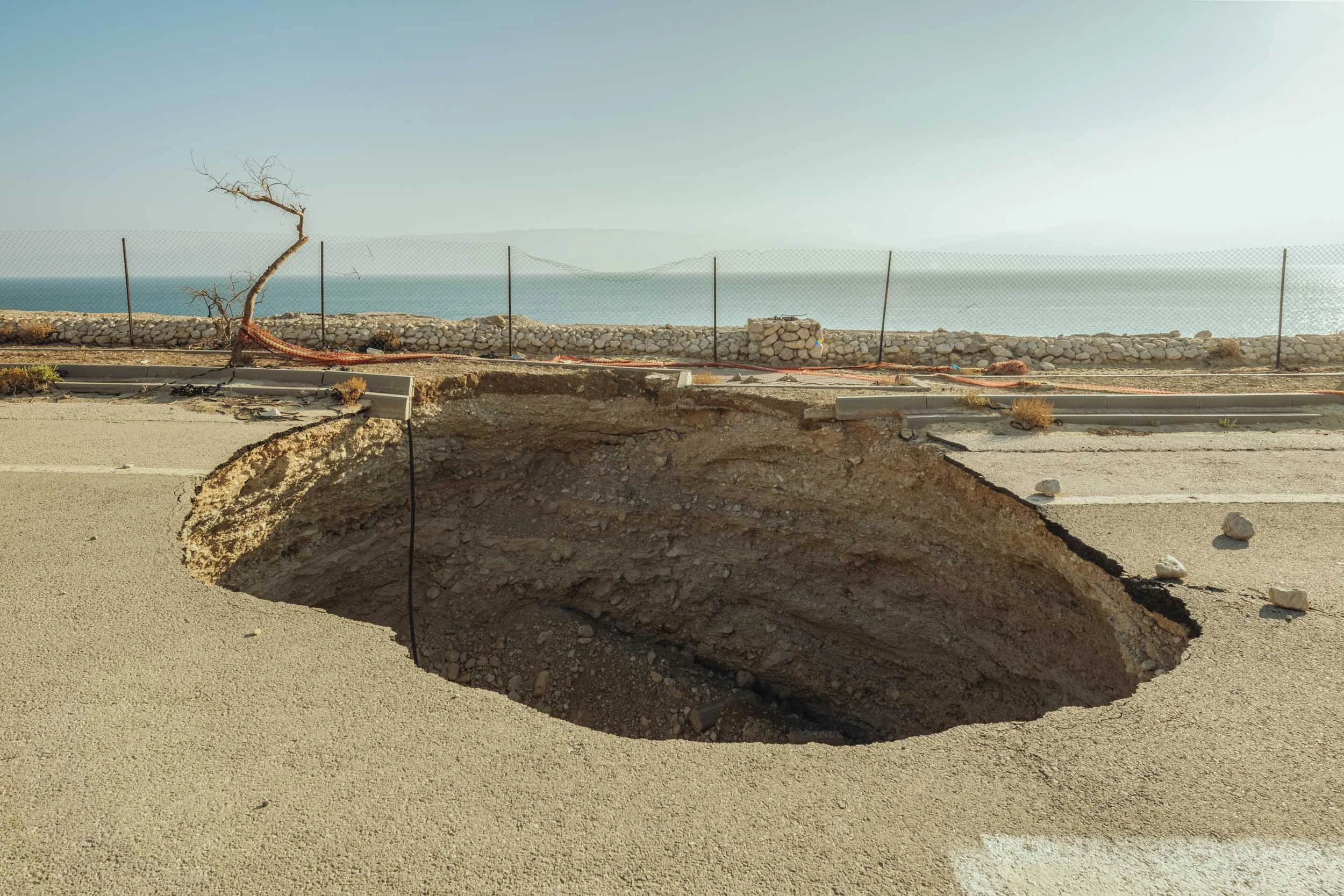
Sinkhole at the israeli side, near the Dead Sea.
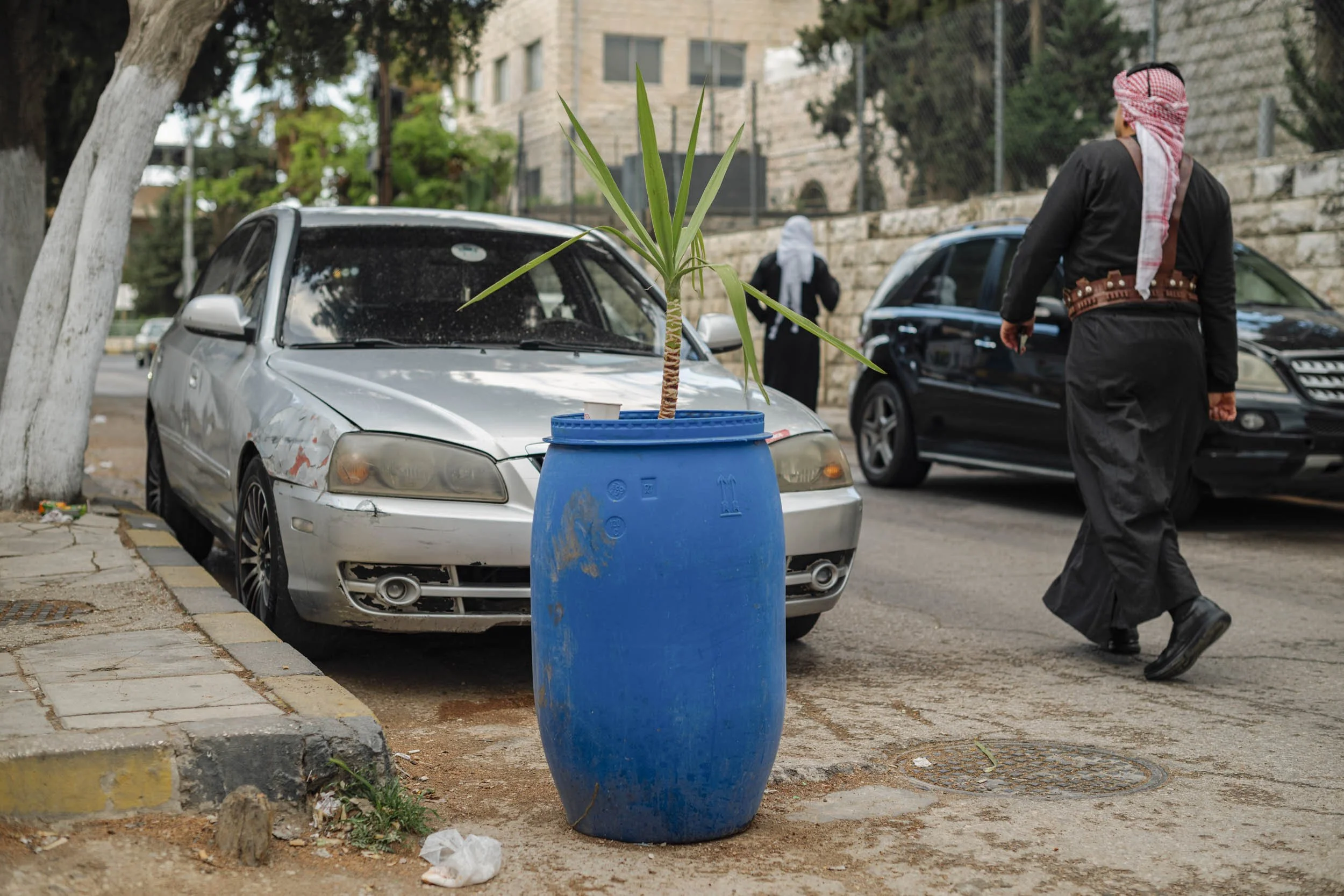
A plant growing out of a barrel in Amman, Jordan.

A collapsing shoreline at the Dead Sea, Israel.
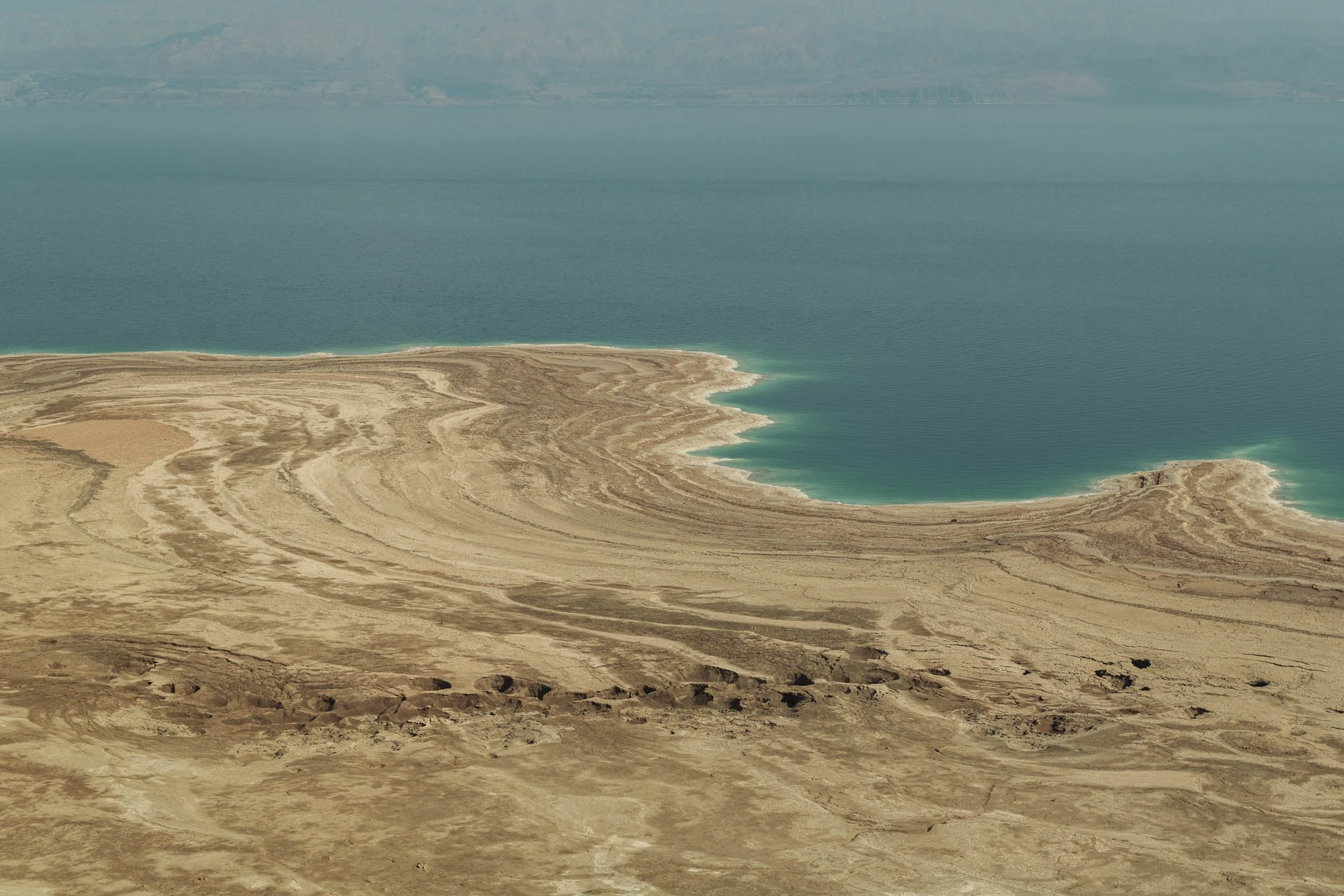
Sinkholes at the israeli side.